

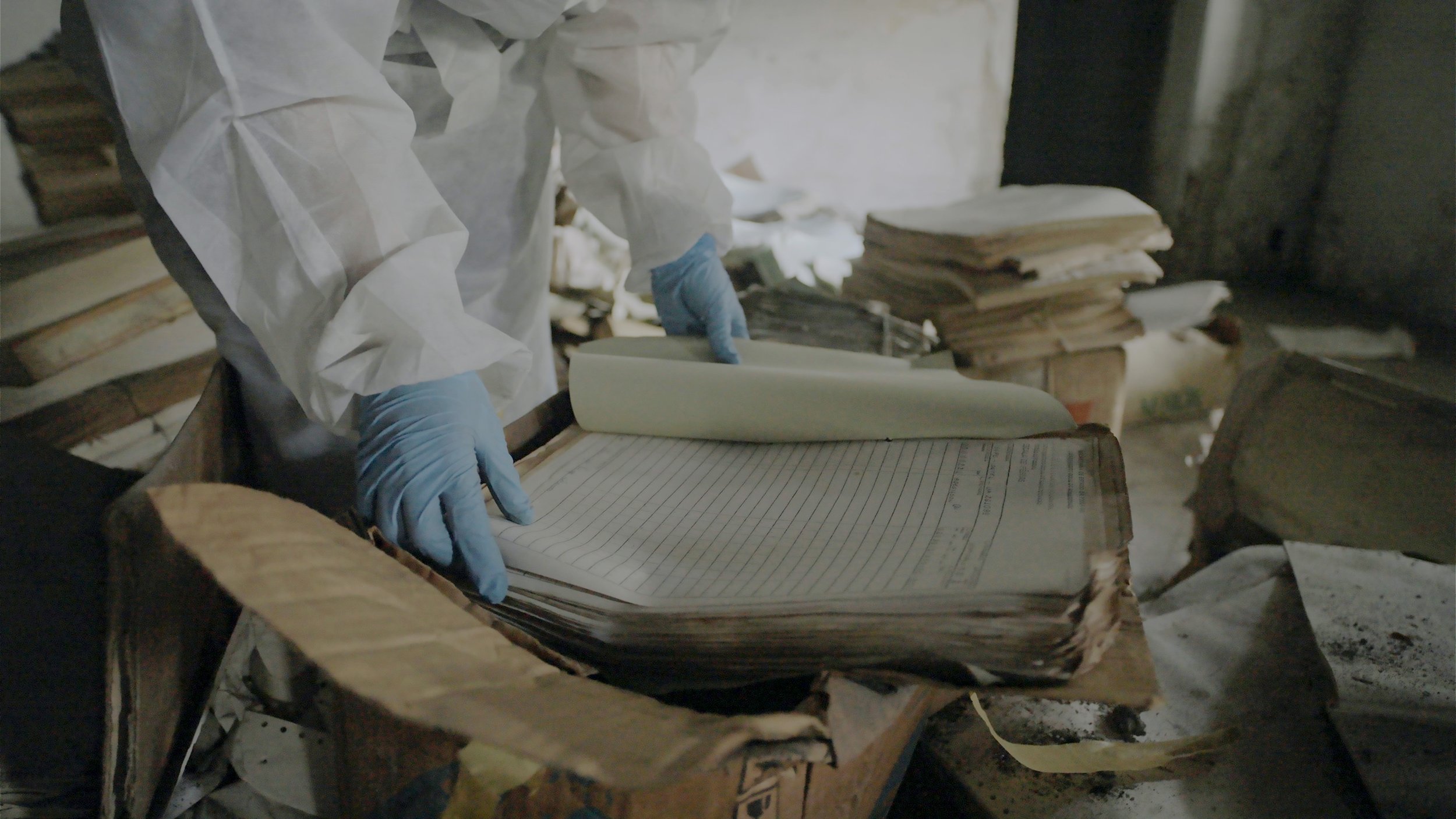
Still by Bento Marzo - CMVJRD-RJ activists inside the DOPS building rescuing deteriorating dictatorship-era documents
MANY HANDS MAKE LIGHT WORK
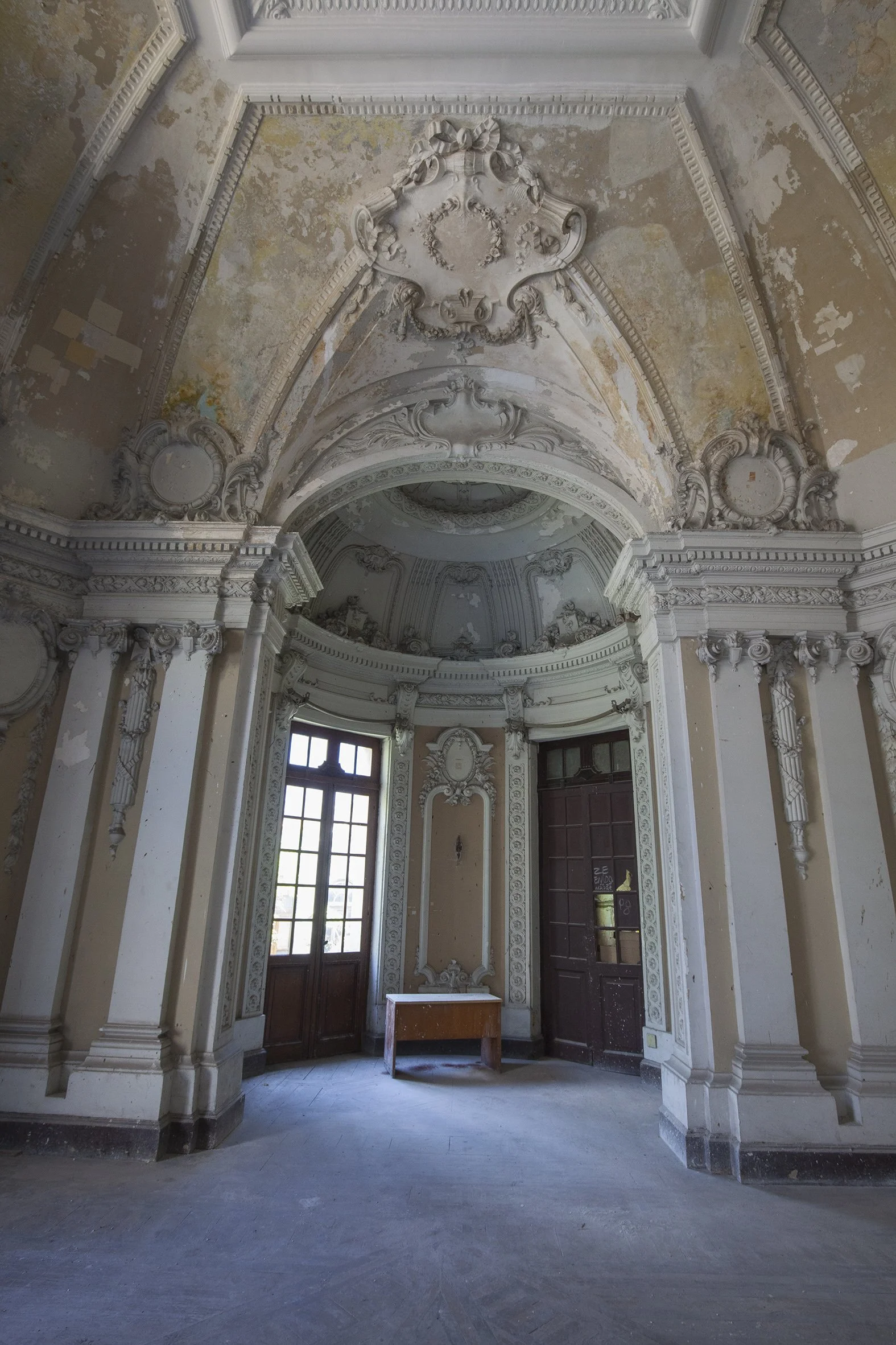
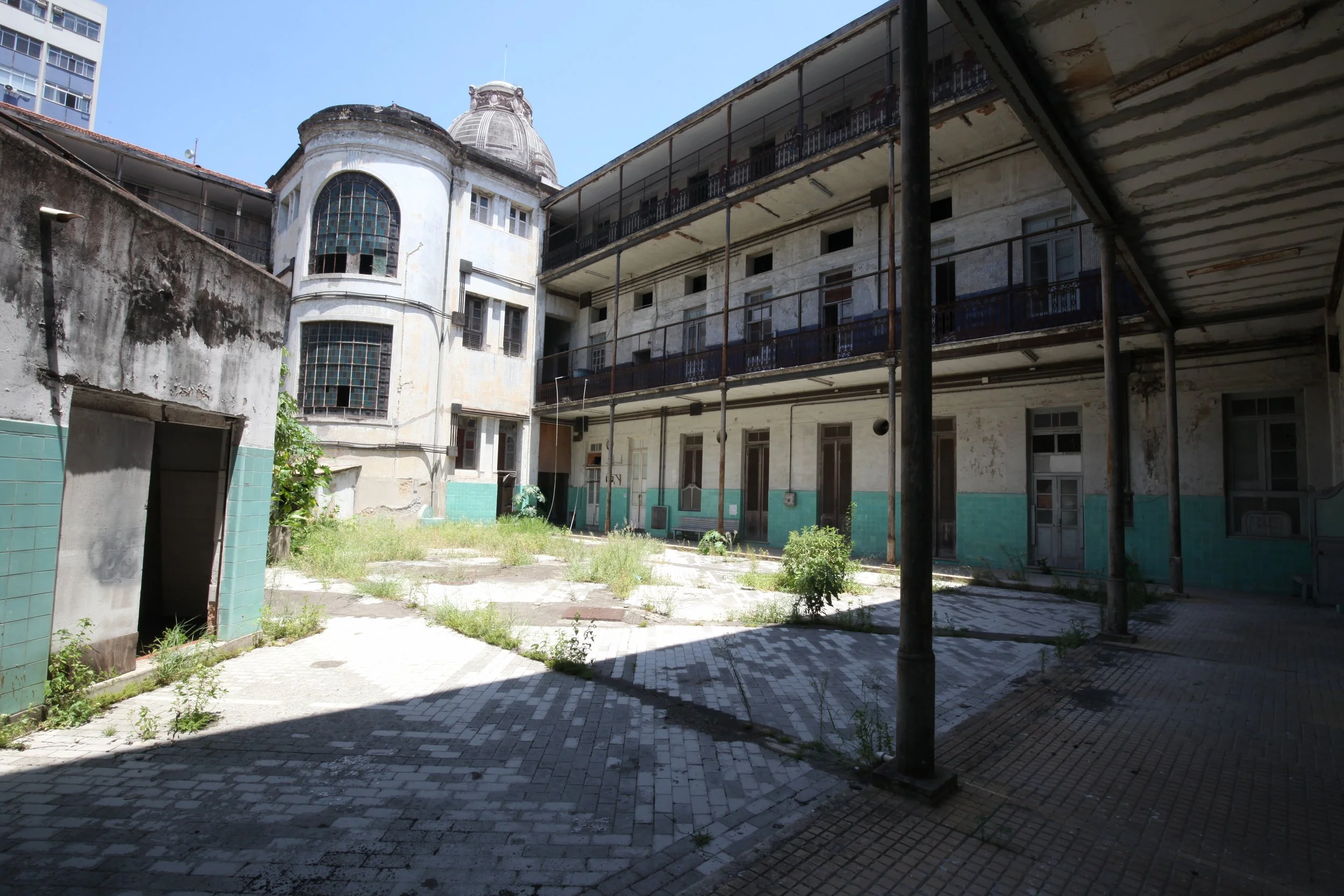
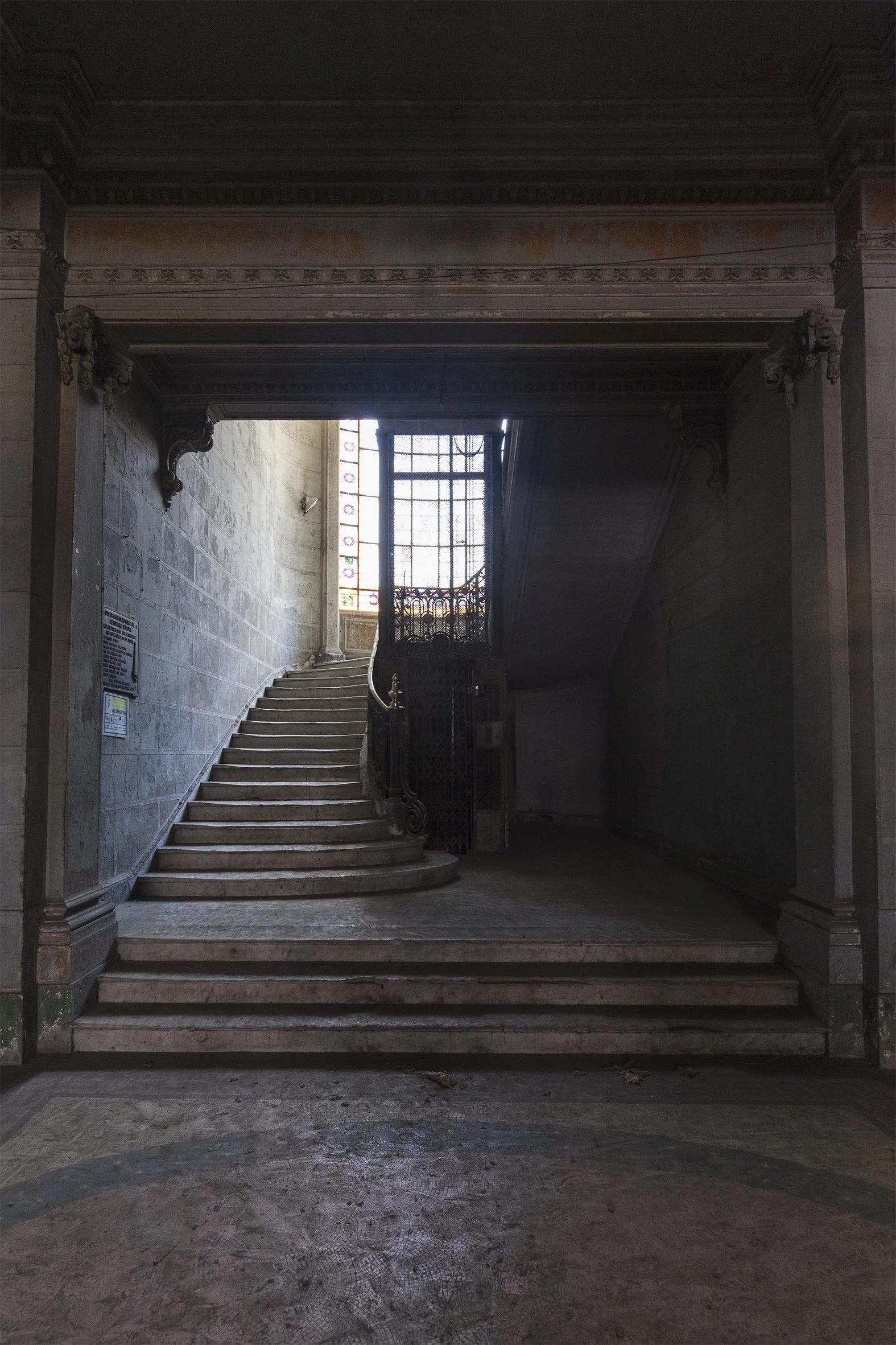
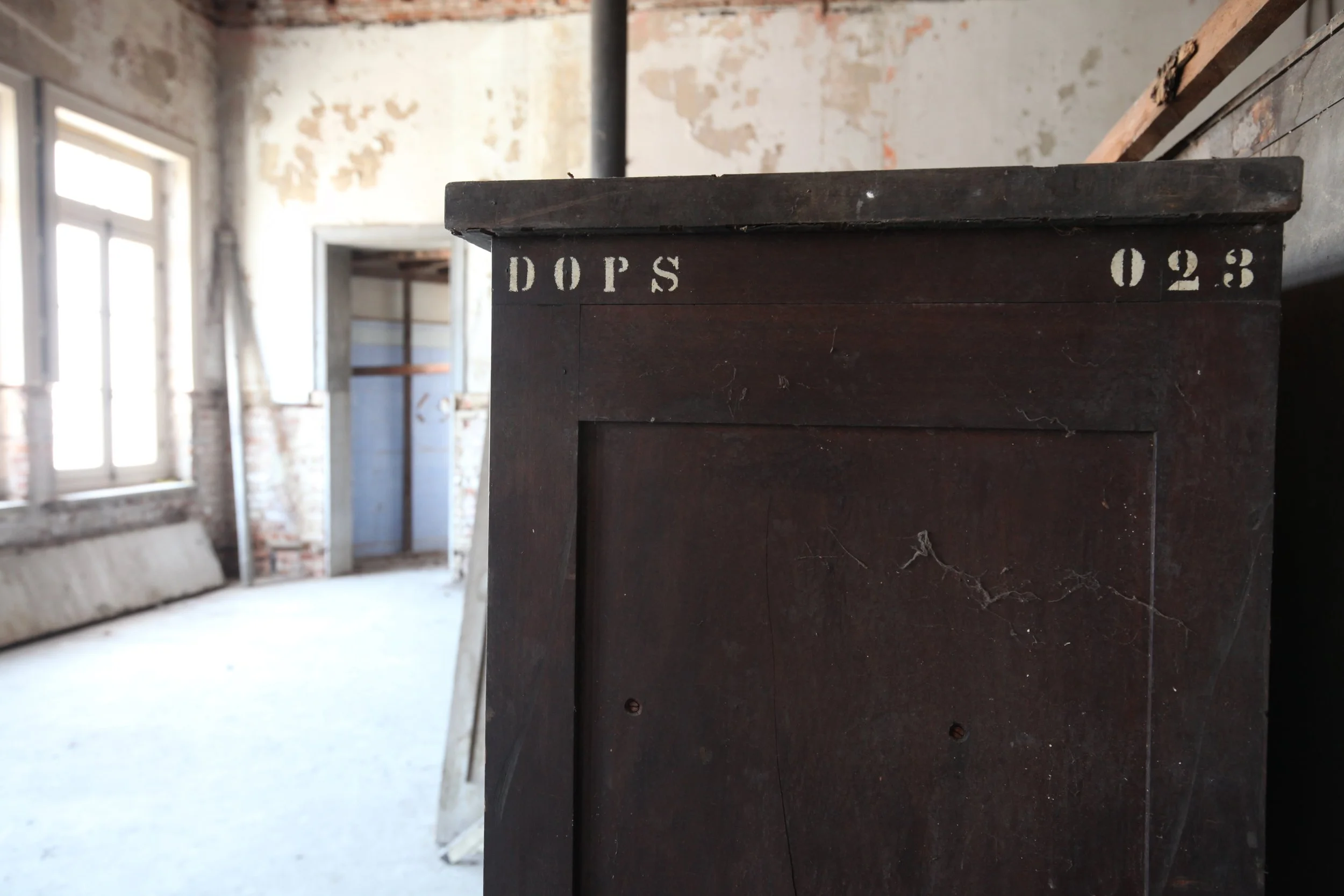
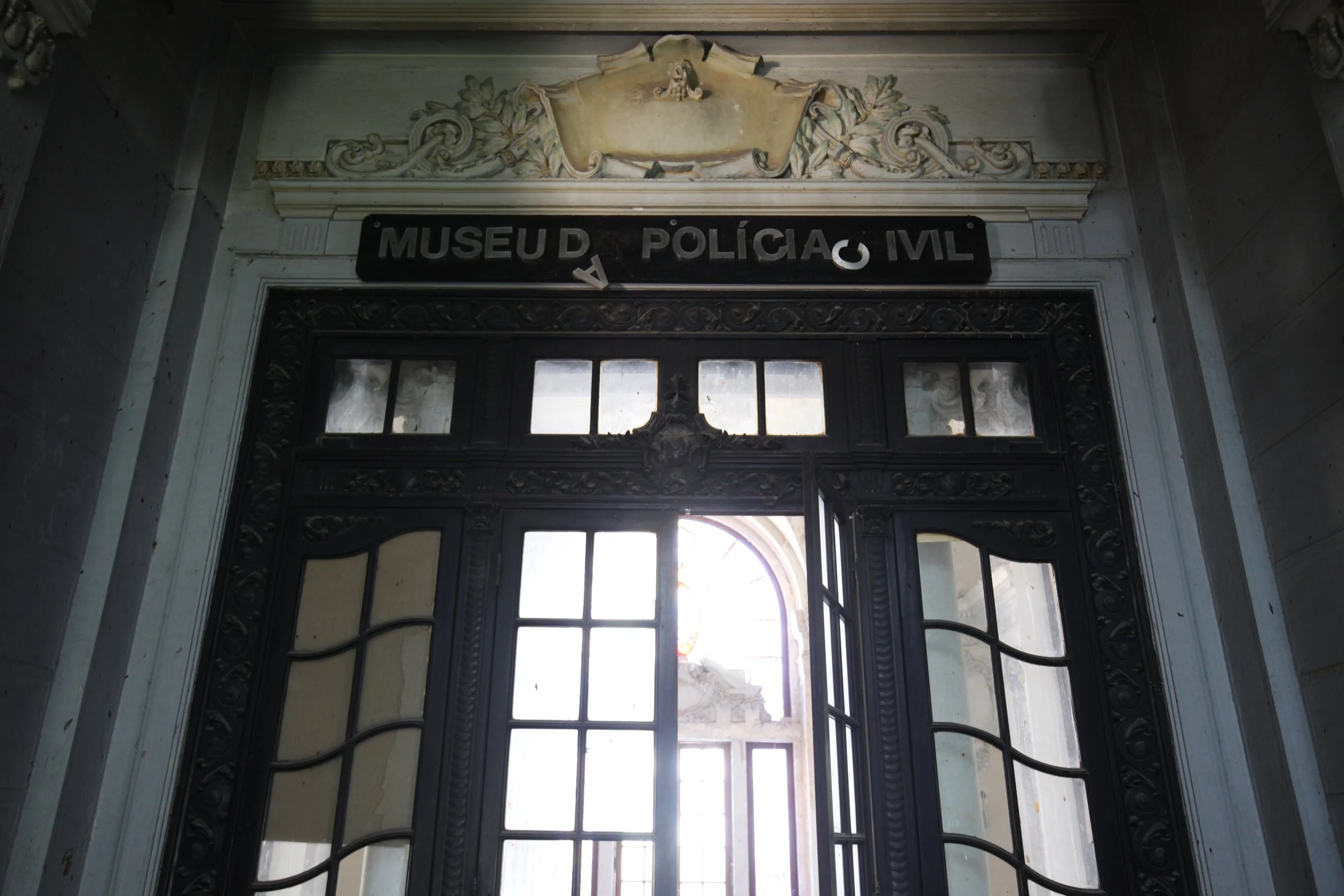
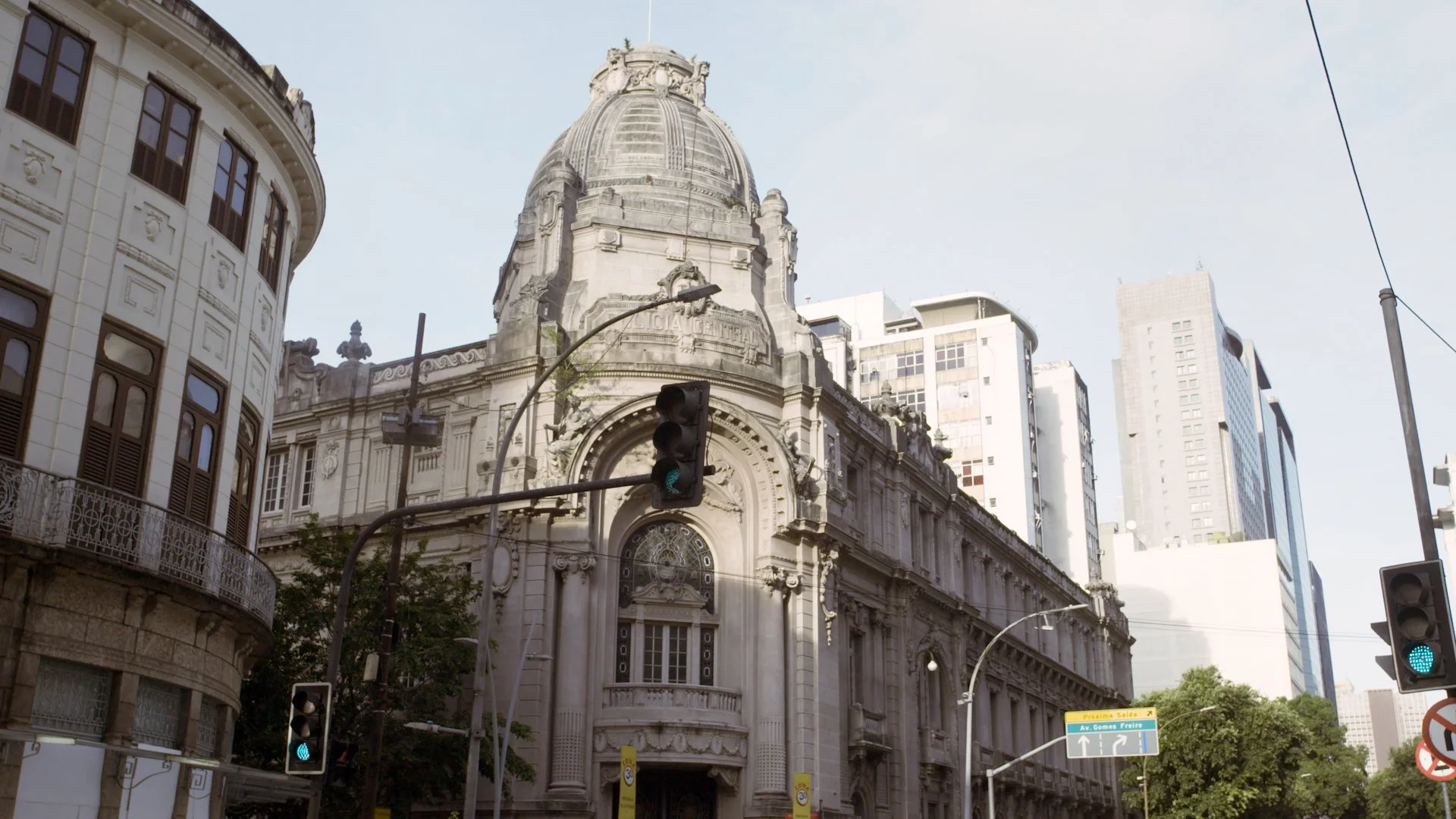
This documentary hinges on the shuttered Department of Political and Social Order (DOPS) building. Inaugurated in 1910 as the Central Police headquarters during President Nilo Peçanha’s term, its Eclectic style reflected Rio de Janeiro’s Haussmann-style Belle Époque urban reforms. A space designed to project authority, administrative grandeur, and state power. During Getúlio Vargas’s presidency and subsequent Estado Novo dictatorship (1937–1945), the building shifted from a municipal police hub to a center for political surveillance. The police apparatus expanded to monitor labor unions, communists, anarchists, and foreign immigrants, targeting political dissidents and people of the African diaspora.
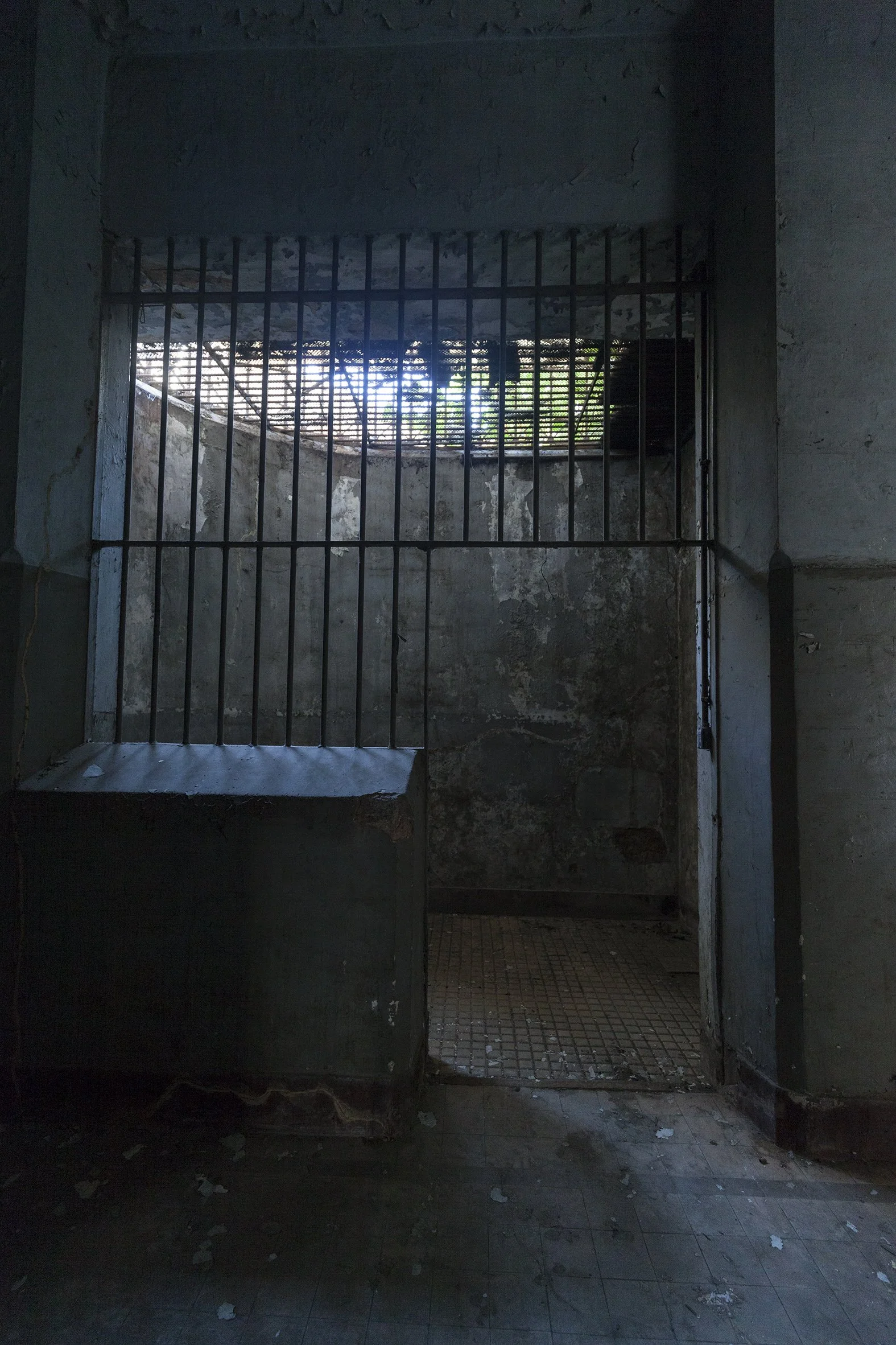
Long before the 1960s, the facility earned a reputation for detention and torture of political dissidents and intellectuals, such as Luís Carlos Prestes, Olga Benário, and writer Graciliano Ramos. Following the 1964 military coup, its role as a center of repression was formalized when it became the Department of Social and Political Order (DOPS) in Rio. Located on Rua da Relação, it operated as an urban detention and triage center where civilians, scholars, artists, students, union leaders, and guerrilla fighters were interrogated, booked, and tortured before being transferred to clandestine sites or military prisons.
After shuttering in 1985, the building fell into disrepair.
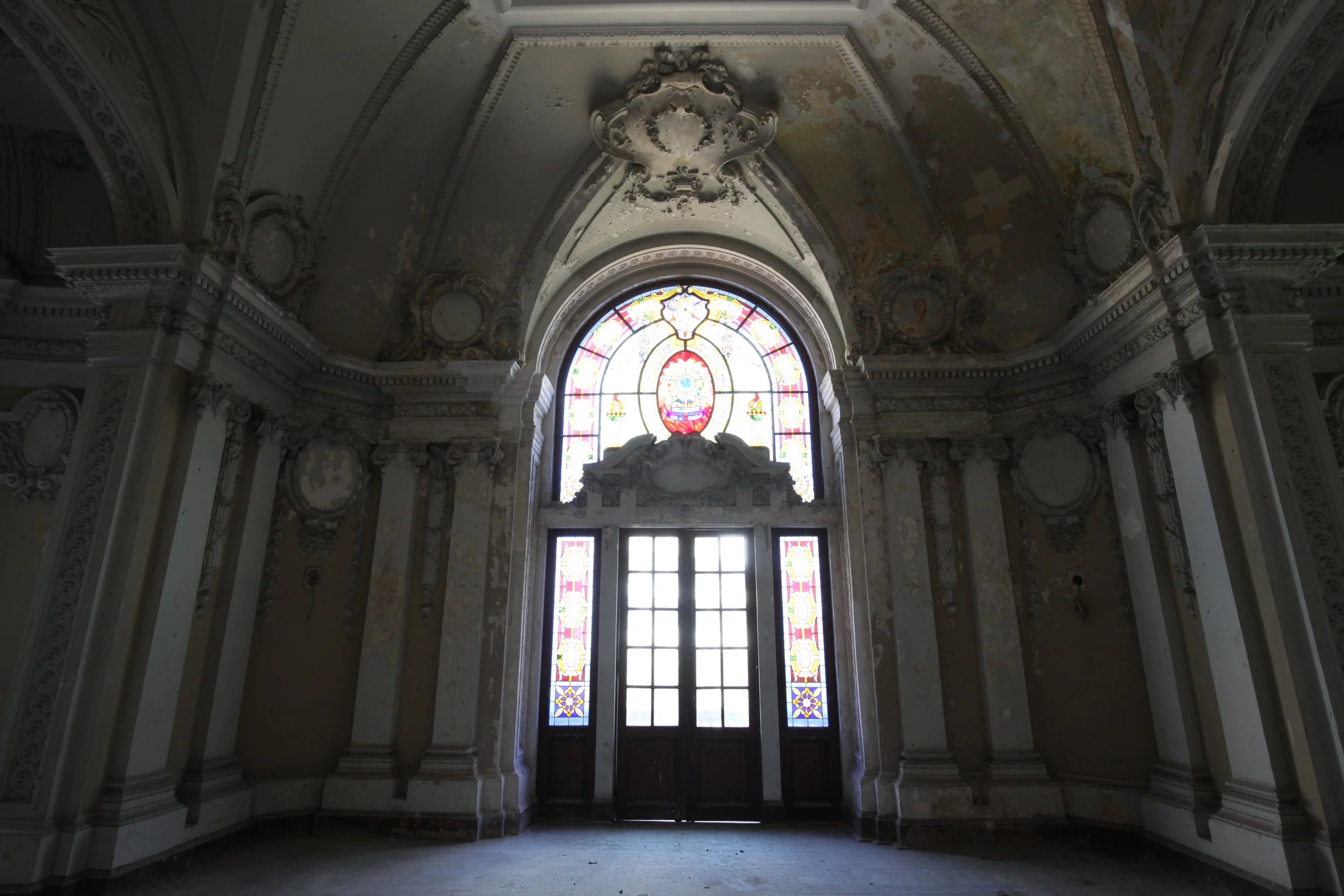
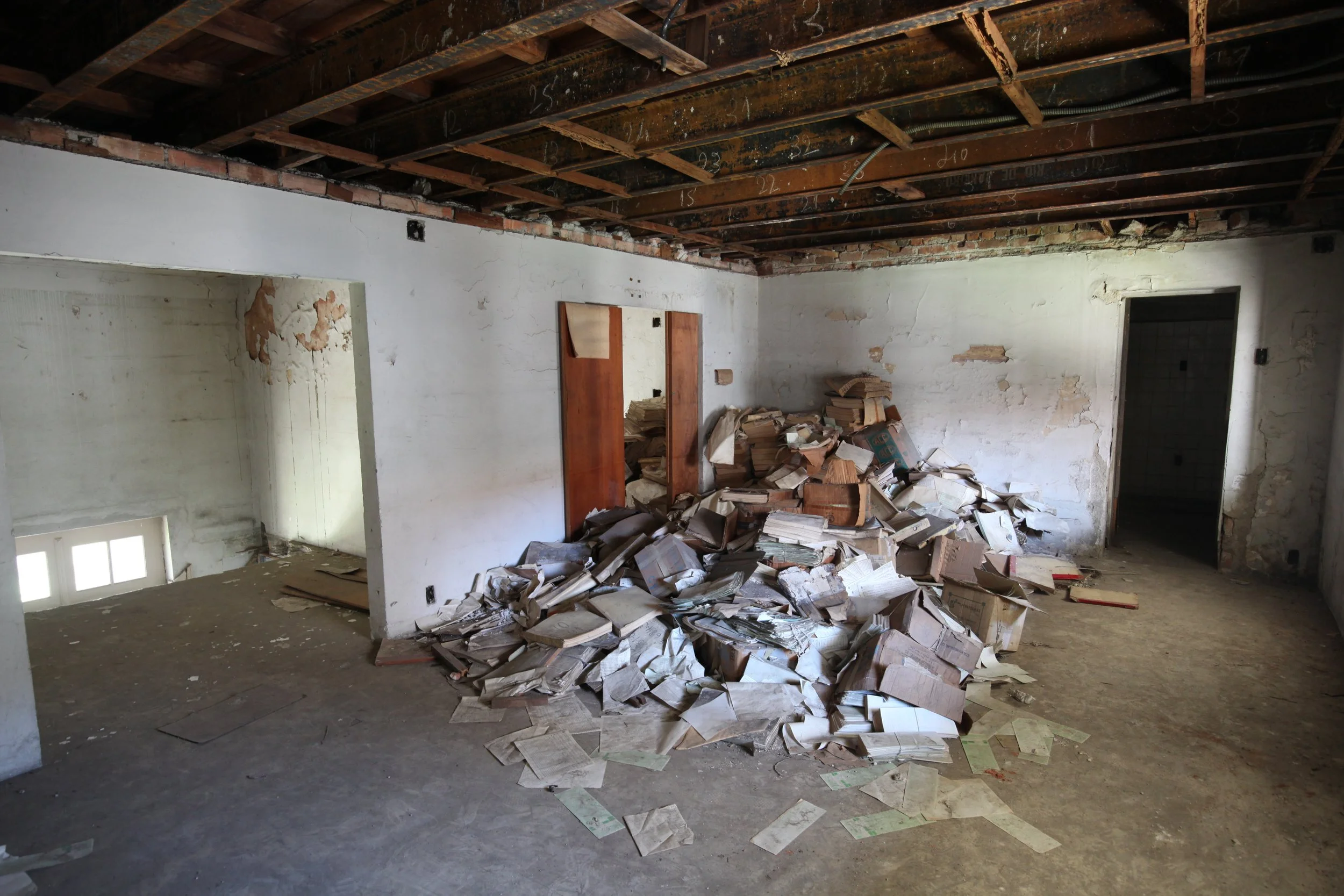
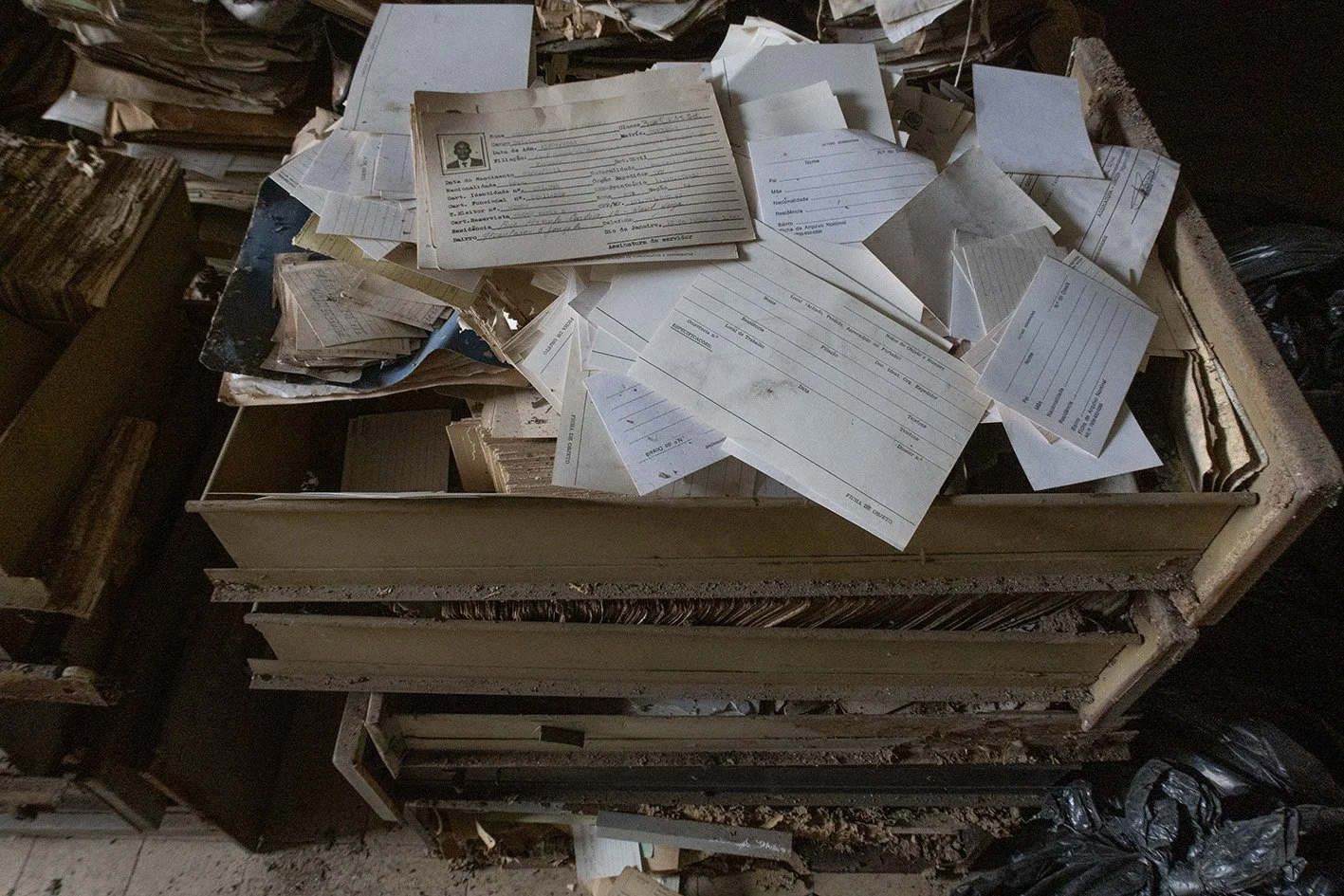
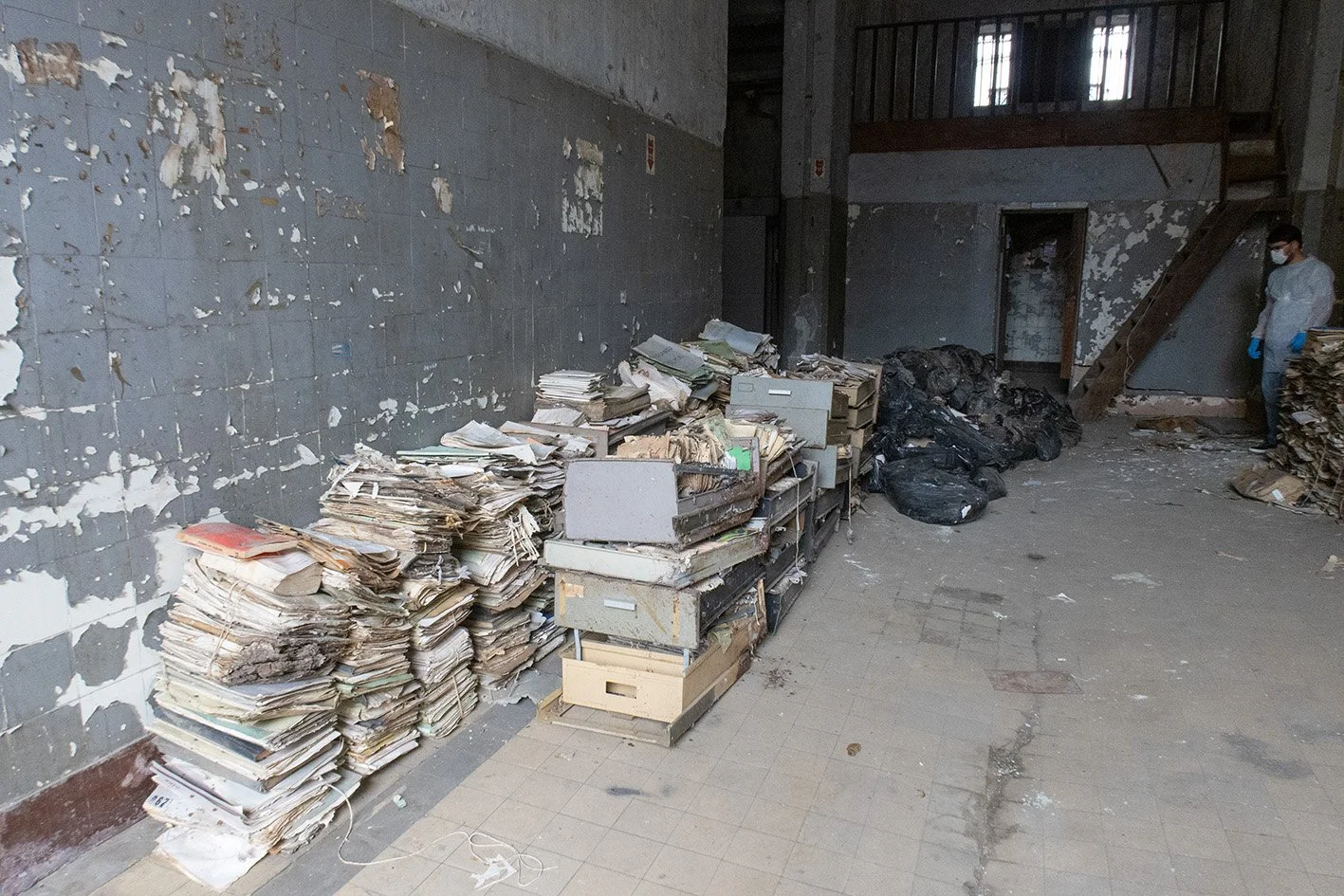
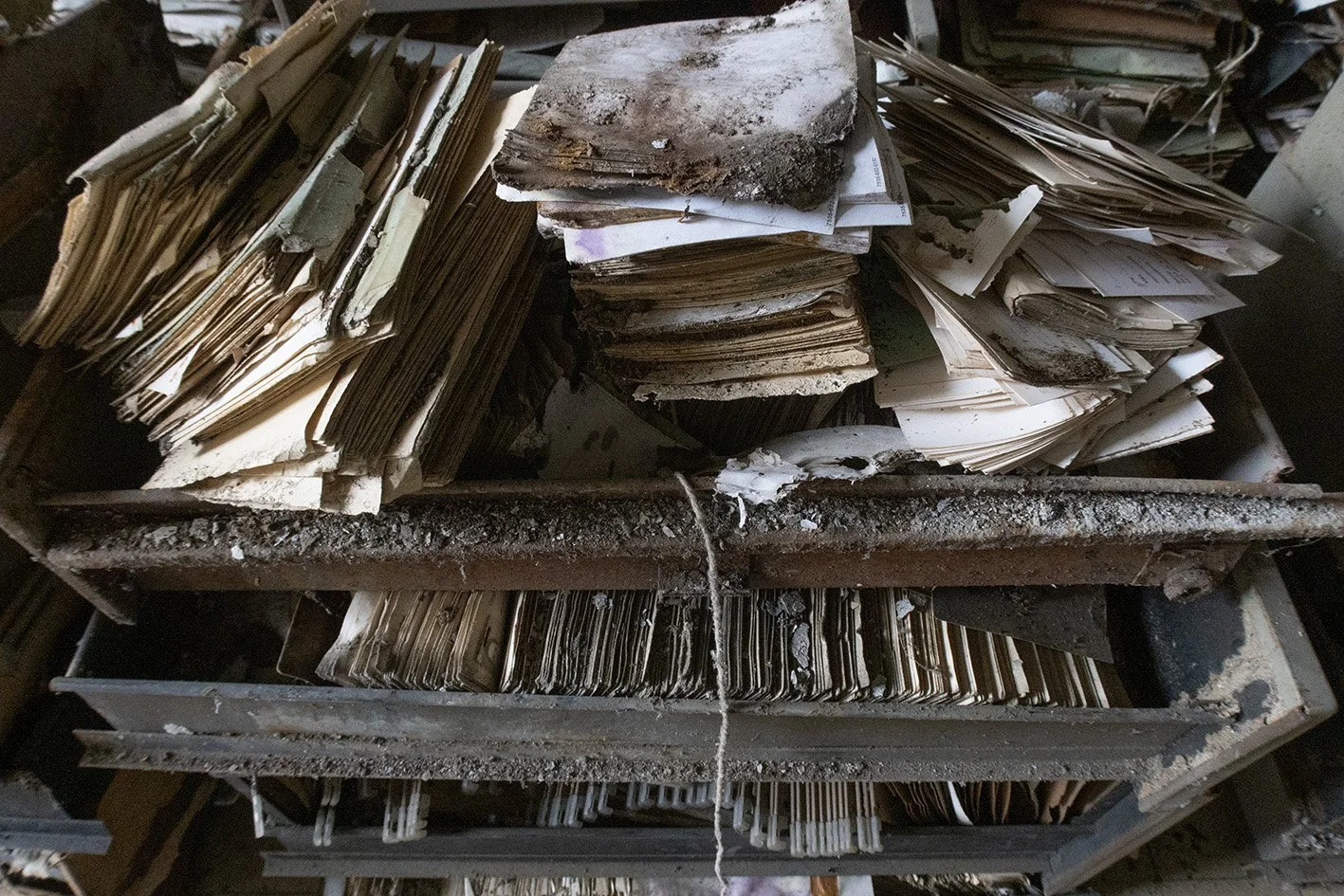
For nearly four decades, the Collectives for Memory, Truth, Justice, Reparations and Democracy (CMVJRD-RJ) have organized to transform the building into a Human Rights Museum. During the 1980s and 1990s, survivors and families of disappeared political prisoners formed coalitions demanding the site's preservation. Momentum grew in the 2000s and 2010s alongside the Federal Truth Commission as activists organized under the CMVJRD-RJ banner to push for historical landmarking. Over 40 years since the regime ended, the collectives continue negotiating with municipal authorities. This documentary witnesses the moment activists are granted access to the interior of this building, where they discover severely deteriorated dictatorship-era documents. Its domed ceilings, cartouches, and fanlights contrast starkly with small, dark cells and soundproofed interrogation rooms. The deteriorating, brittle walls, flaking paint, and precarious stacks of decaying state records stand as material evidence of attempted historical erasures.
Since early 2025, the core production team, composed of co-directors Julia Csekö and Joana Traub Csekö, Director of Photography Pedro Urano, cinematographer Bento Marzo, and producer Eduardo Cantarino, has been documenting the tireless efforts of the CMVJRD-RJ collectives to reclaim the building as a place of memory, and to recover, archive, and preserve scores of decaying documents still housed within the DOPS building and the abandoned Medical Institute (IML). This documentary follows the tireless work of activists and the shocking scale of neglect toward these architectural landmarks and the material history housed in their interiors.
Photos by Joana Traub Csekö
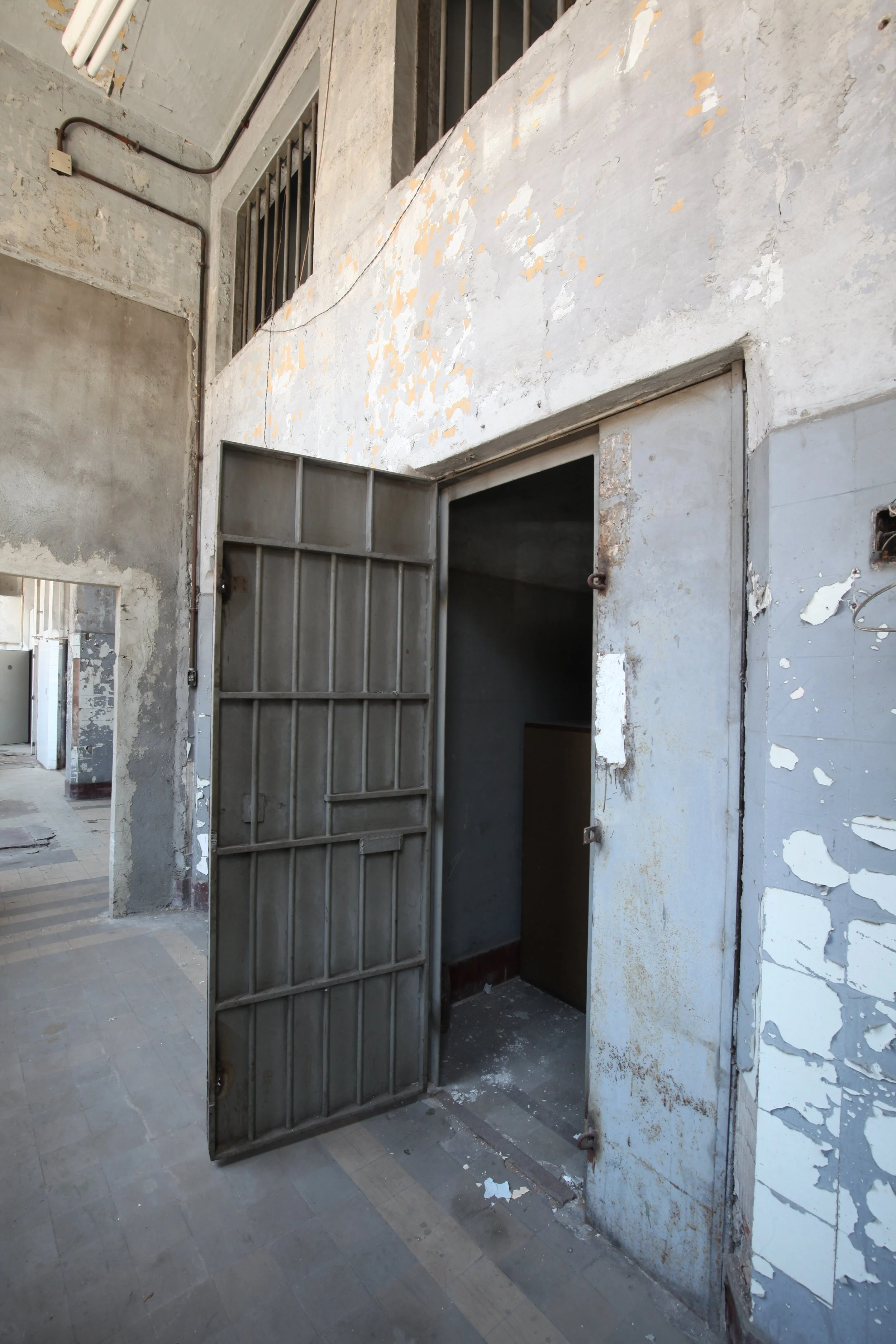
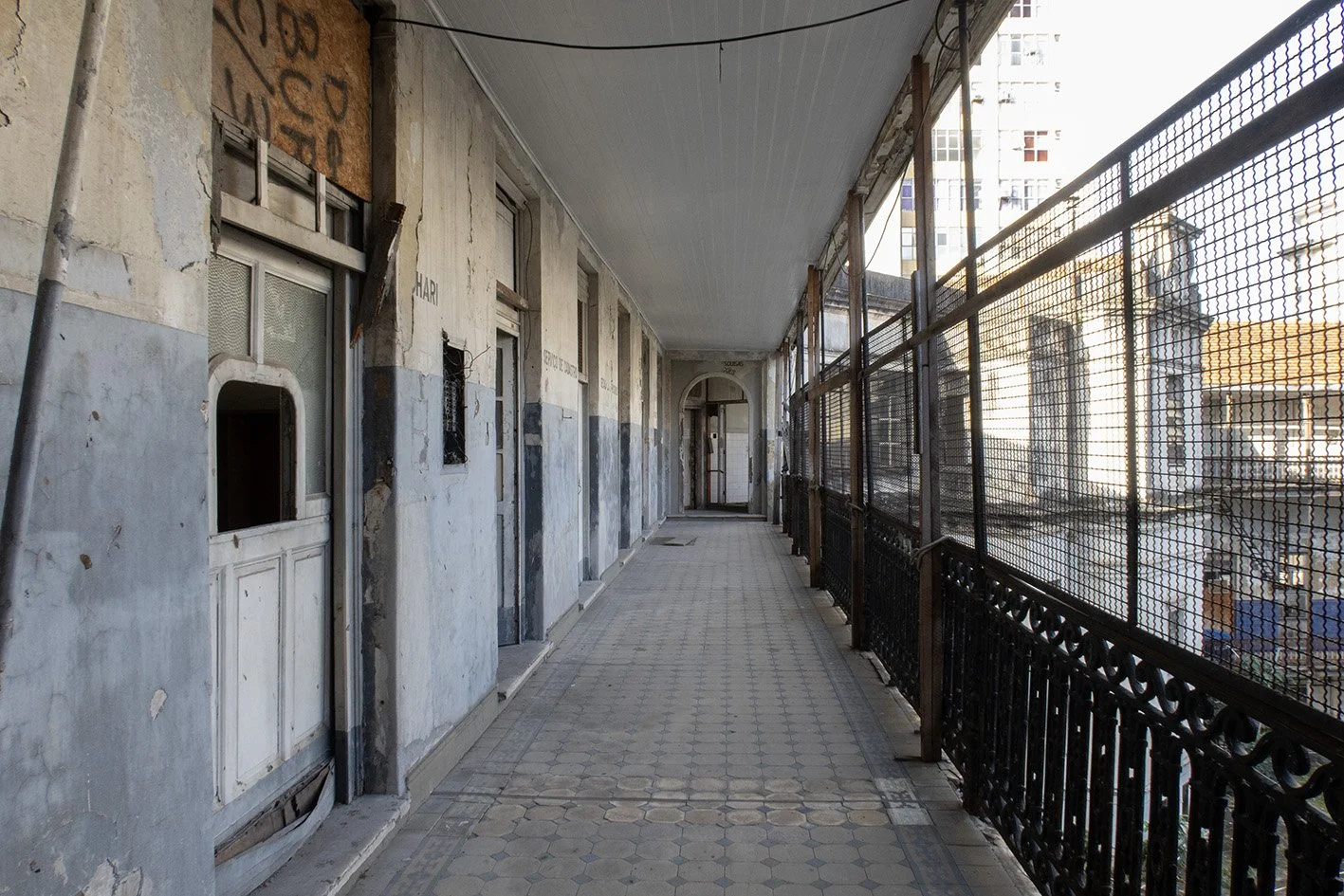
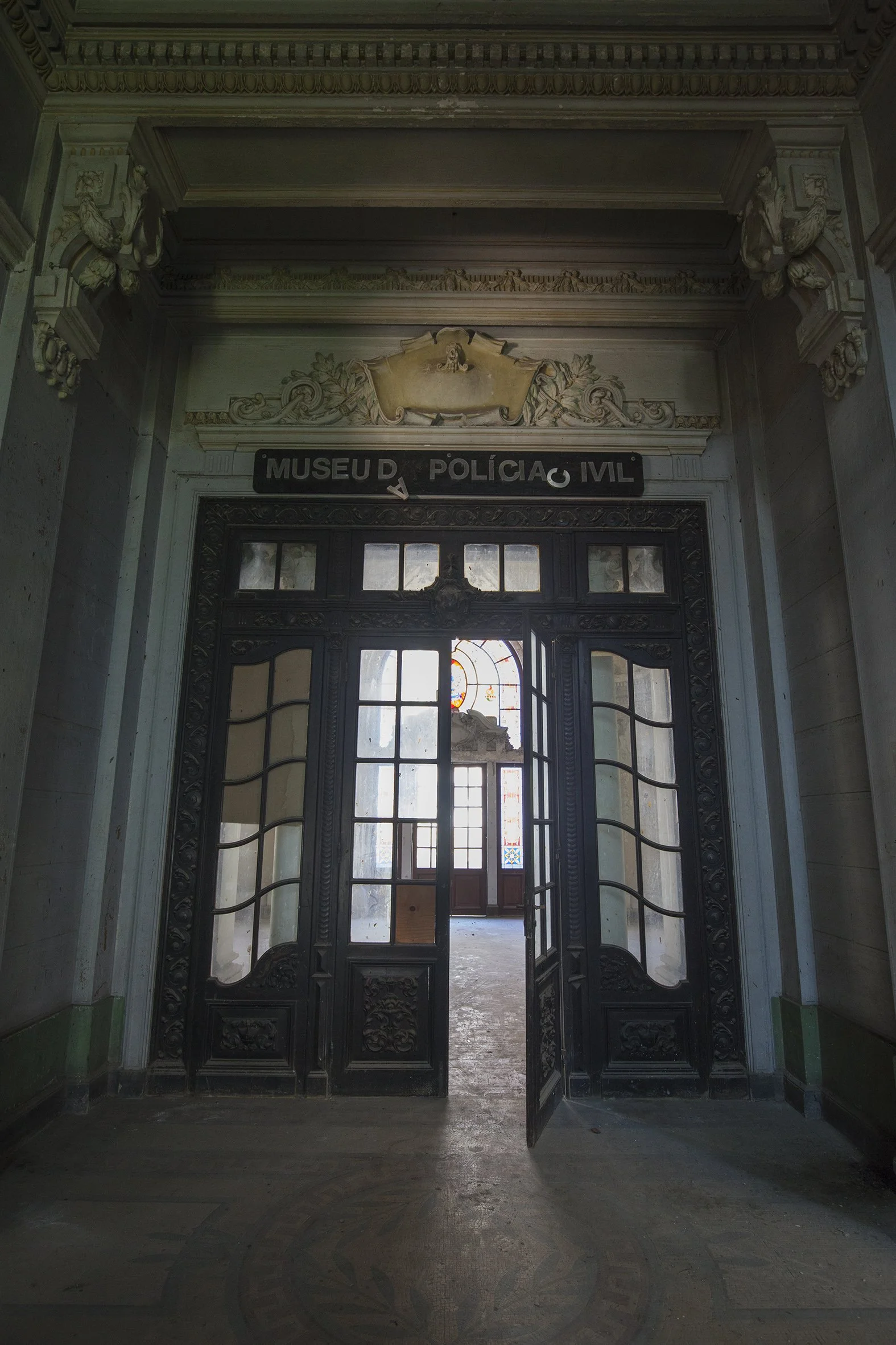
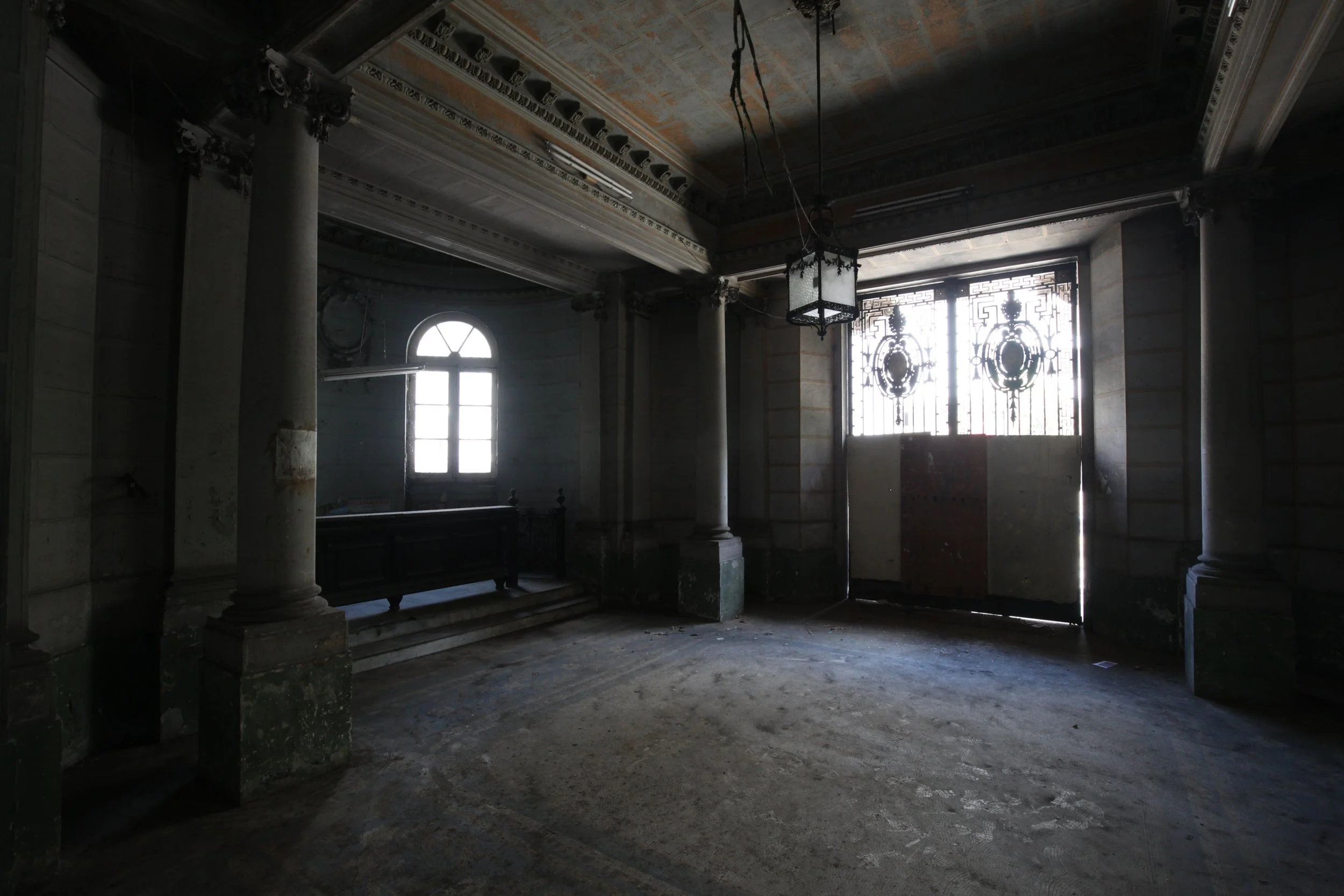
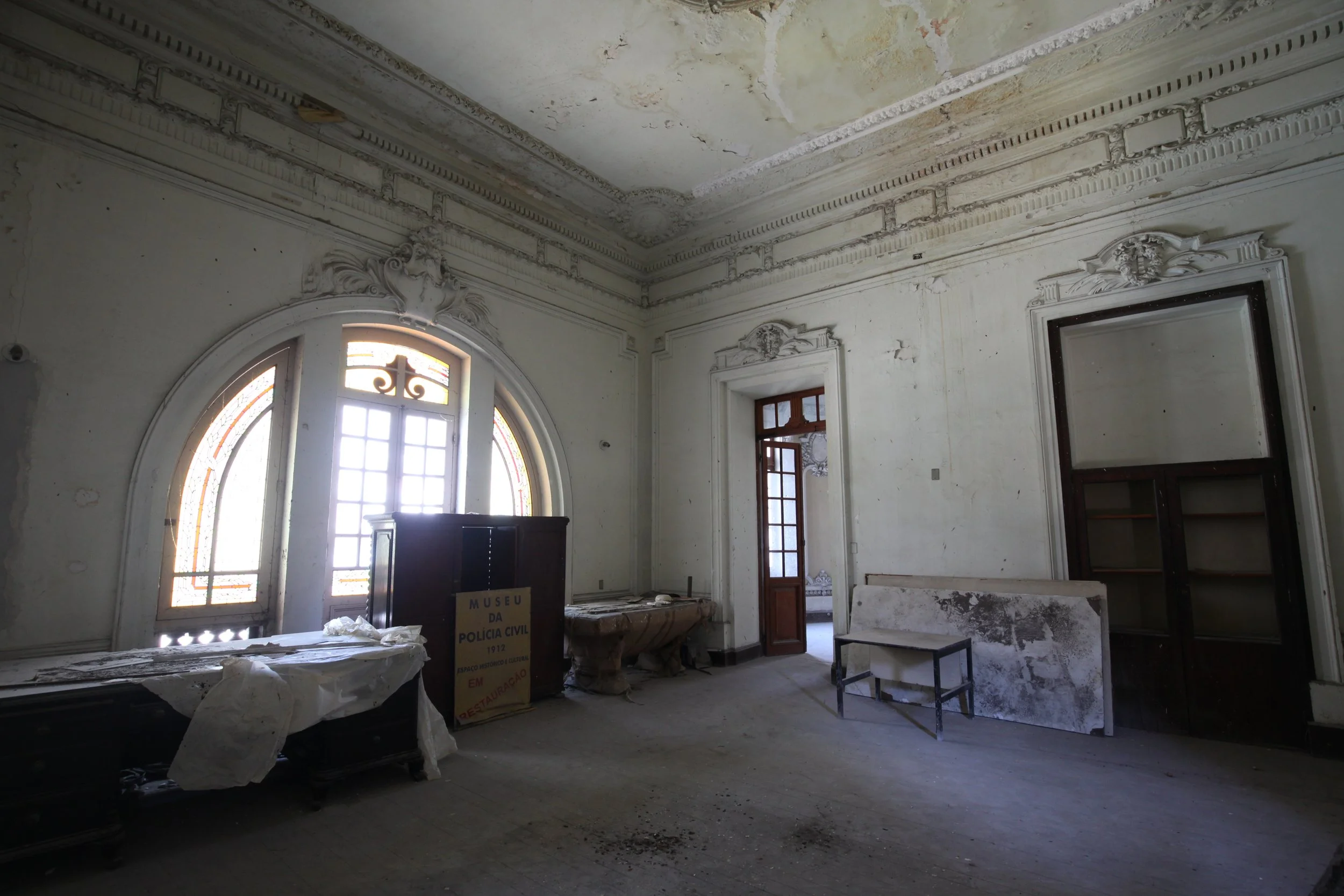
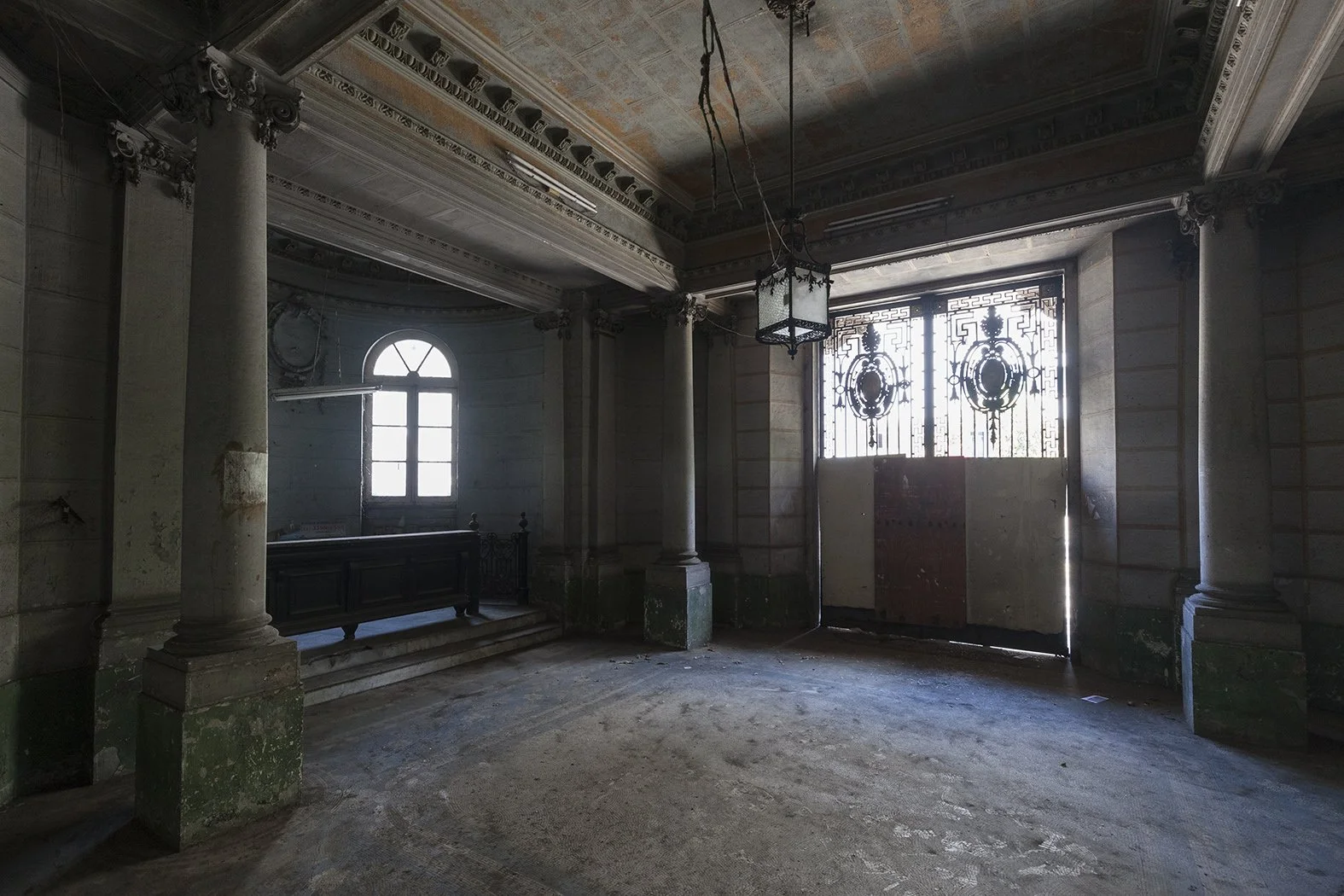
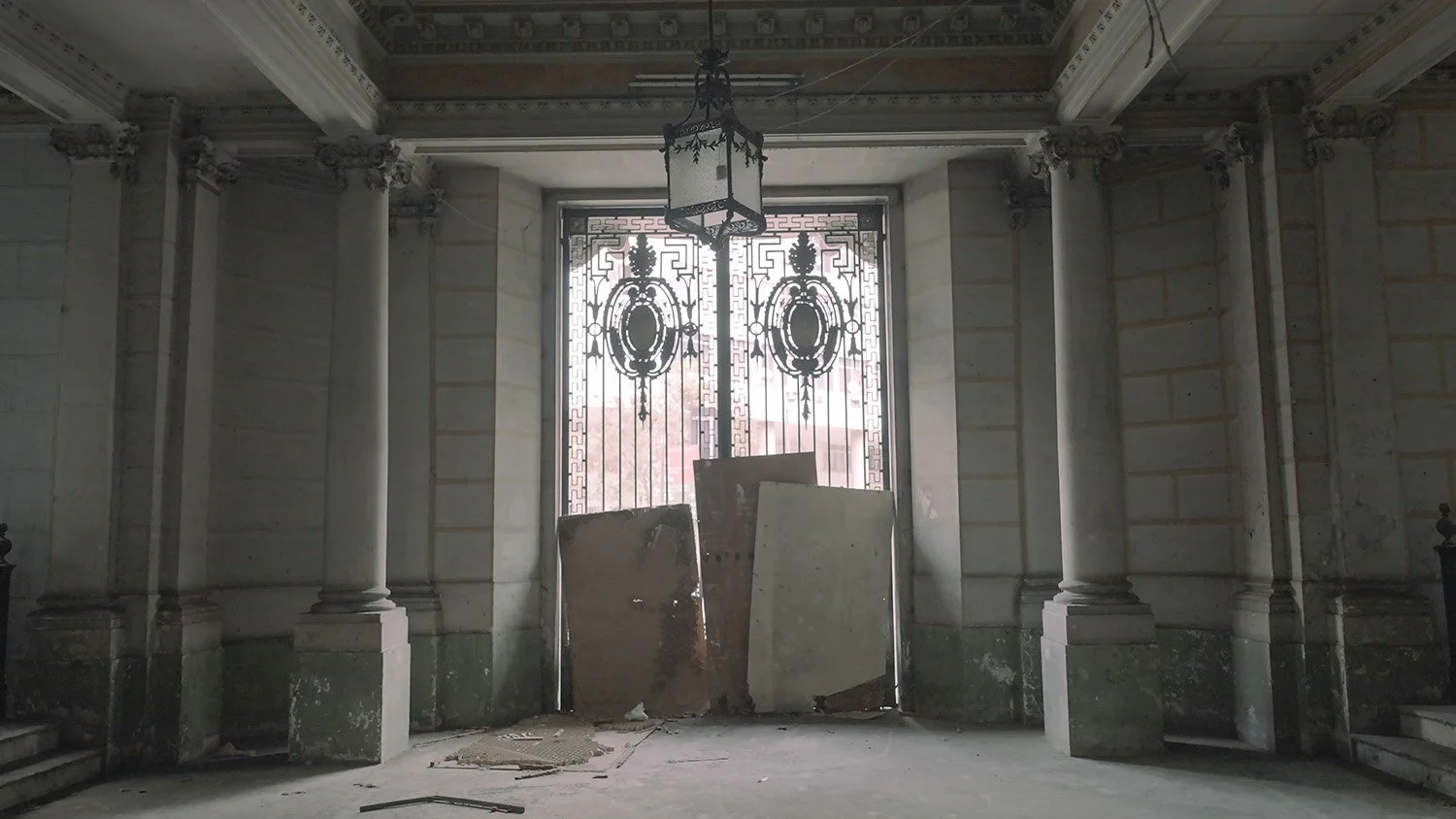
Co-Directors
Julia Csekö
Julia Csekö is a Brazilian American interdisciplinary visual artist, educator, and organizer specializing in collaborative practices and themes of social justice. She holds an MFA from the School of the Museum of Fine Arts (SMFA) at Tufts University and a BFA from the Federal University of Rio de Janeiro (UFRJ). Born in the United States during her father's self-exile, she was raised in Rio de Janeiro. Her credentials include a National Art Strategies (NAS) Creative Community Fellowship, a MASS MoCA residency, and serving as the Salem Public Artist in Residence.
Julia serves as co-director for this project, conceptualized during her SMFA Traveling Fellowship. Expanding her practice into research-driven film work, she collaborates with Brazilian artists, cinematographers, and activists from the Memory, Truth, Justice, Reparations, and Democracy Collectives (CMVJRD-RJ). Csekö guides the project's visual inquiry, advocating for the transformation of former state repression centers into sites of public memory and historical reparations.
Joana Traub Csekö
Joana Traub Csekö is a Brazilian American filmmaker, photographer, and visual artist based in Rio de Janeiro. She holds a PhD in Visual Languages, from the State University of Rio de Janeiro (UERJ) and a master's degree from the Federal University of Rio de Janeiro (UFRJ). Her research focuses on urban space, institutional memory, and lens-based media. She co-directed the award-winning feature-length documentary "HU," investigating the monumental modernist architecture of the UFRJ University Hospital. Her doctoral thesis examined socio-spatial segregation in Rio's historic center through archival imagery and community collaboration. Joana serves as co-director for this project, leading directorial oversight, narrative assembly, and post-production supervision. Collaborating with activists, archivists, and cultural workers, she leverages her expertise to examine the transformation of former sites of state repression into public spaces of historical reparation.




ART AS STORYTELLING
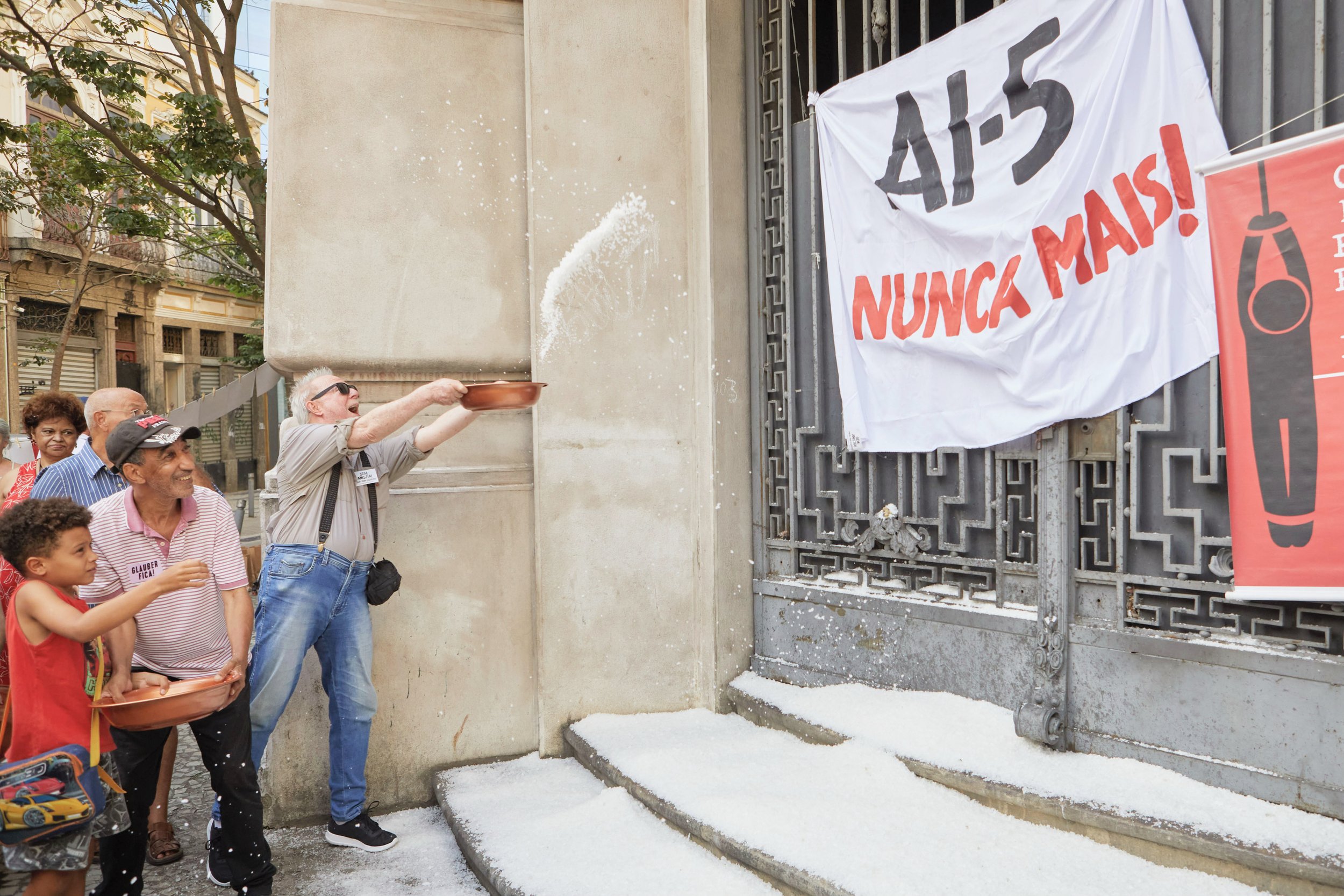
Still by Bento Marzo
Many Hands Make Light Work was originally performed as a symbolic collective action during Julia Csekö’s SMFA Travelling Fellowship in December 2024. Survivors of the military dictatorship and families affected by State violence passed 500 lbs of rock salt hand to hand to be deposited at the front gate of the DOPS building. The original performance combines visual arts and activism.
Coarse Salt, a polysemic material, carries multiple meanings - seasoning, preservation, cursing, cleansing, and protection. However, the inspiration for this action stems from a historical reference, referencing colonial violence as an unfortunate pillar of Brazilian society. The salt is a homage to Tiradentes (Joaquim José da Silva Xavier ), who attempted a revolution against the Portuguese crown to transition Brazil from an extractivist colony into a republic. The famous Inconfidência Mineira and its failure led to the brutal execution of Tiradentes, one of its leaders. His wealthier counterparts were pardoned, while Tiradentes was made an example. After being hanged, his body was quartered and publicly displayed, his house demolished, and the land where it stood was covered in salt to ensure that nothing would grow there.
Photos by Fabian Alvares
In this action, salt is used so that oppression and violence never again germinate in the shuttered DOPS building.
A human body contains about 9oz of salt - 500 lbs represents about 800 bodies
Participants engaged with the salt on their terms, honoring lost loved ones or confronting the incomprehensible violence they endured within those very walls. The performance became a space for collective catharsis: some spoke the names of the disappeared, others observed in silence, some rejoiced in defiance, while others loudly demanded that such horrors never happen again.
At its core, this action is about physical presence, turning the audience into active participants and performers. Through this shared experience, memory is embodied, and resistance is experienced - not as a passive reflection, but as a physical, collective, and symbolic action.
The history of Brazil’s military dictatorship and its ongoing political struggles remain largely unknown, overlooked, or deliberately avoided in North America. At this pivotal moment, it is essential to shed light on U.S. interventionism in Latin America. Especially as the United States faces the rise of authoritarianism. The echoes of past authoritarian regimes serve as urgent warnings, emphasizing the need for historical accountability and vigilance against new threats, both abroad and at home.