Social Fabric series
2024 to present
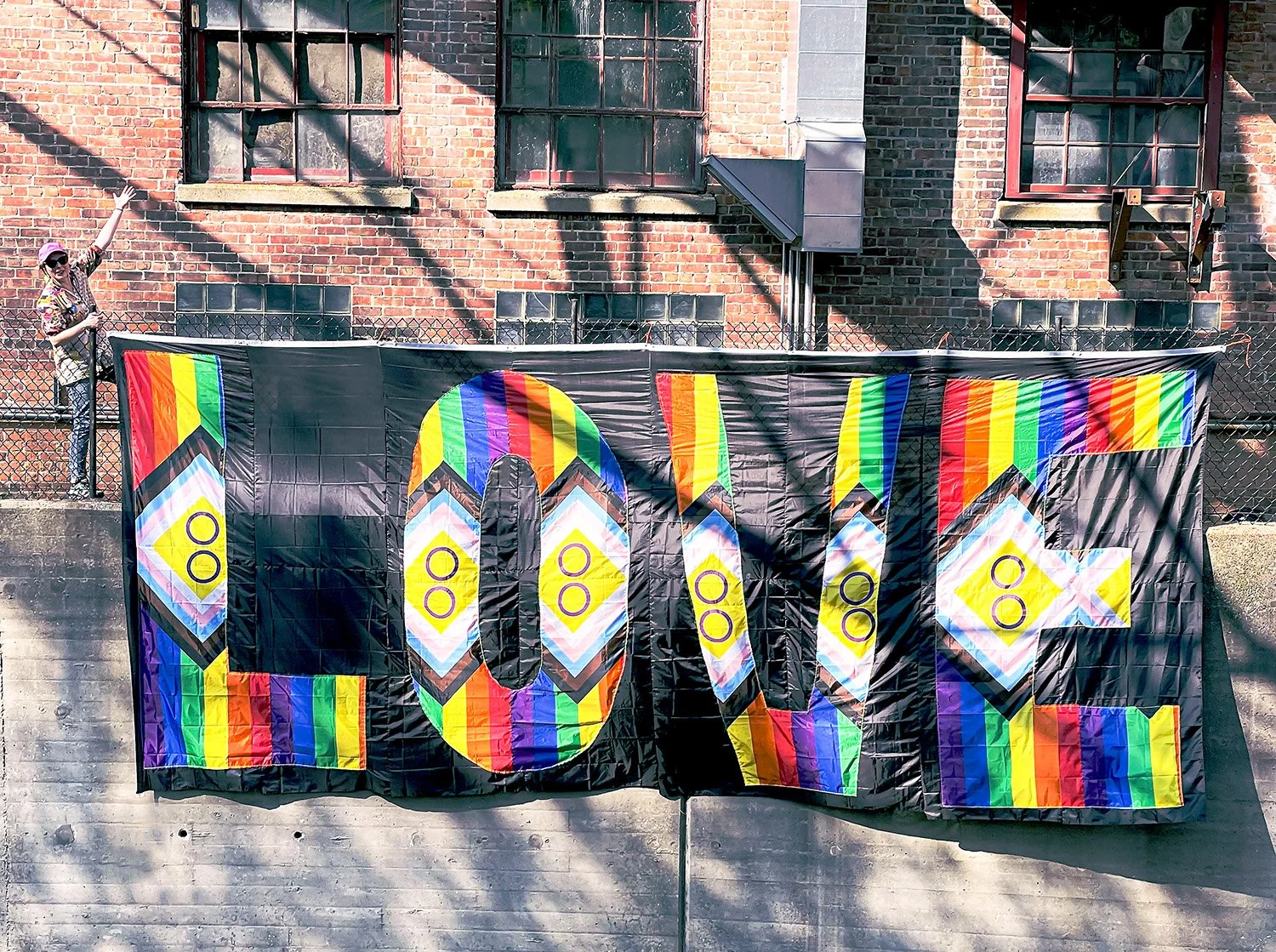
The large-scale sculptural and wearable textile pieces integrate text, raising questions rather than providing answers, inspired by Paulo Freire’s critical pedagogy. Flags are both portable and monumental, soft yet commanding, and historically charged as symbols of identity and protest. Scale plays a significant role in this series, designed to be installed outdoors or within the collective architecture - spaces, such as public buildings, galleries, museums, or on the street. Layering texts of governance, theory, and poetry affirms democracy as ongoing labor and love, while immersing visitors in an environment that is at once celebratory and inviting.
Medium: Nylon Flags and custom-printed flags, sewing. Dimensions: LOVE 10x24ft Year: 2025
democracy is a verb, and so is love
2025
During my 2025 MassMoCA Studios Alumni residency, I explored scale through textile and flag works. The unfinished piece featured here includes custom-print flags with excerpts of the Constitution alongside Lawrence Ferlinghetti’s poem “I Am Waiting.” A partial installation of DEMOCRACY IS A VERB AND SO IS LOVE on campus allowed me to experiment with its impact in a public setting. The residency provided an invaluable opportunity to see how the expansive MassMoCA environment accommodates site-specific, monumental work. This piece affirms what a flag represents both to its people and historically, inviting us to reclaim the symbol as a reminder that the work toward social justice, human and civil rights, and upholding democracy is never done and is a labor of love.
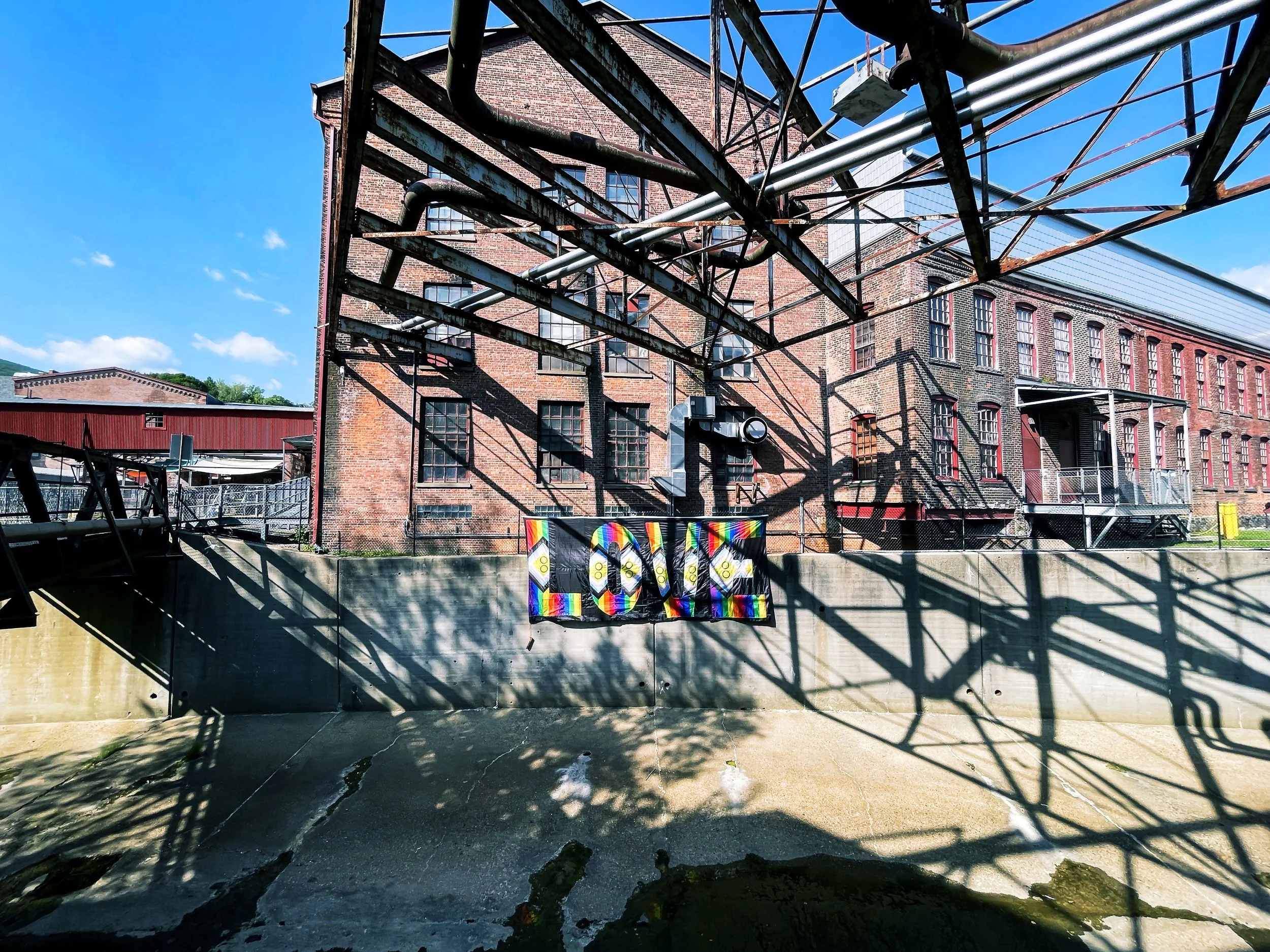
Medium: Nylon Flags and custom-printed flags, sewing Dimensions: LOVE 10x24ft Year: 2025
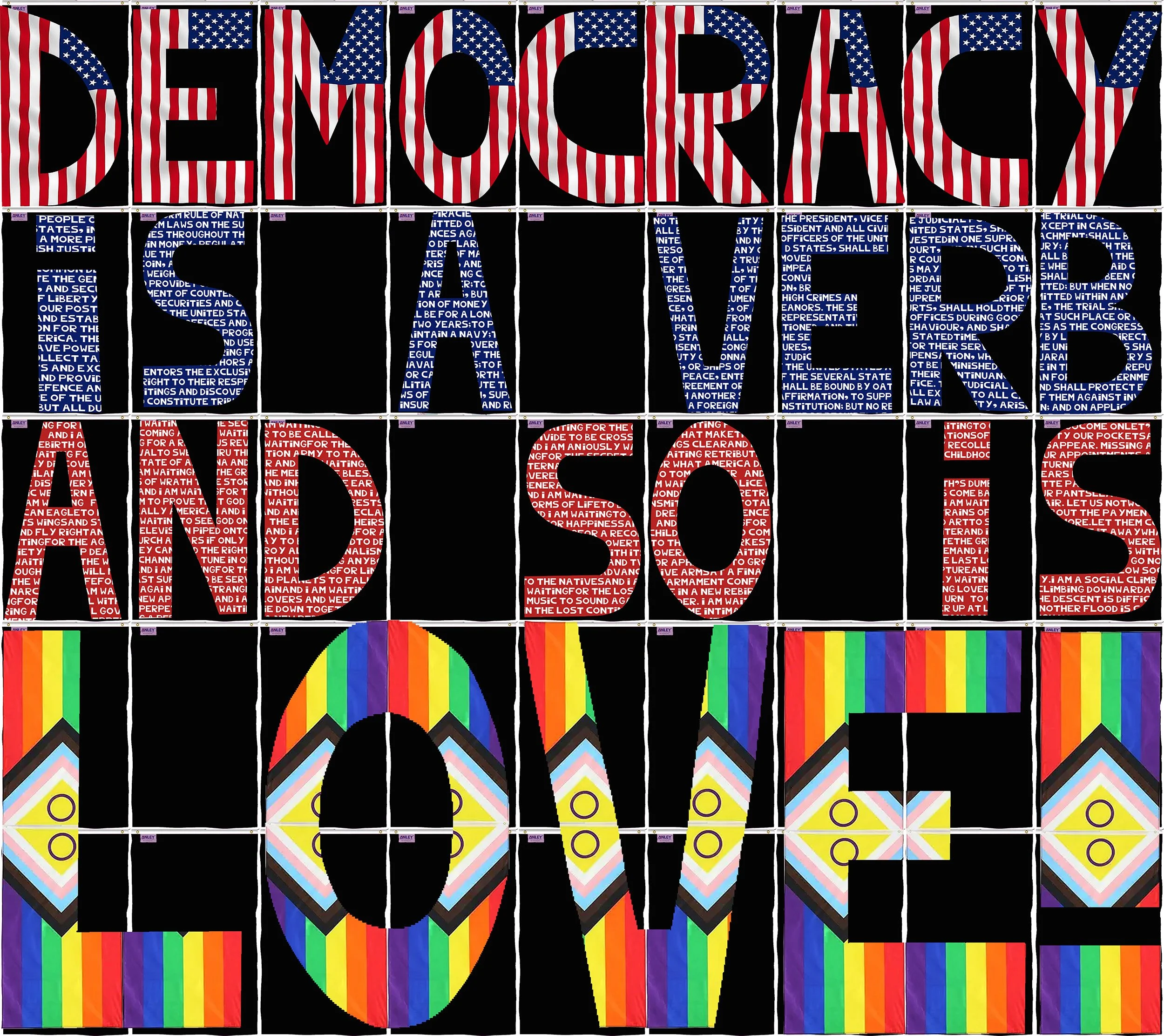
Medium: Nylon Flags and custom-printed flags, sewing Dimensions: 25x27ft Year: 2025

Medium: Nylon Flags and custom-printed flags, sewing Dimensions: LOVE 10x24ft Year: 2025

Medium: Nylon Flags and custom-printed flags, sewing Dimensions: DEMOCRACY 5x27ft Year: 2025
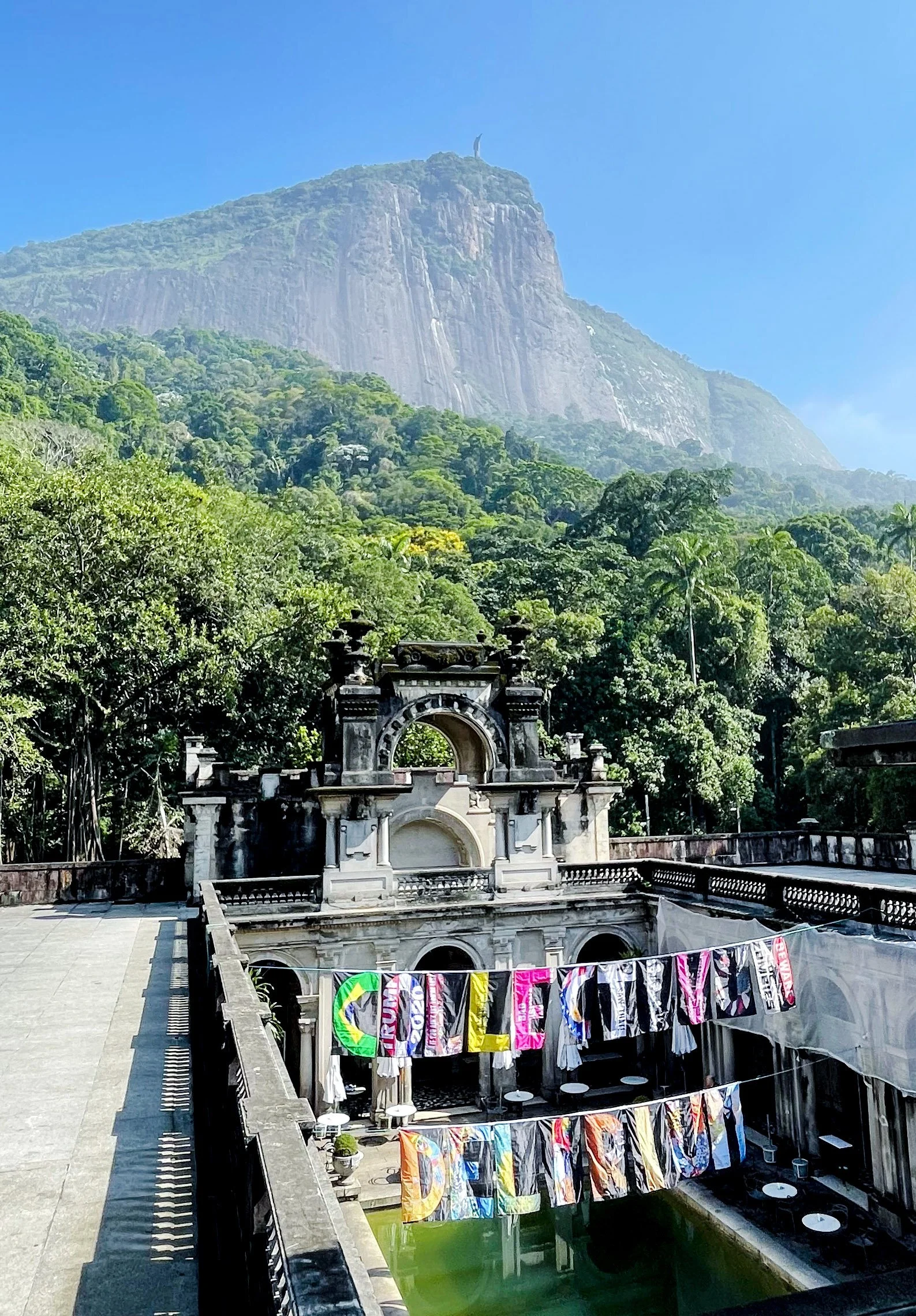
COLLECTIVUM DELIRIUM
2024
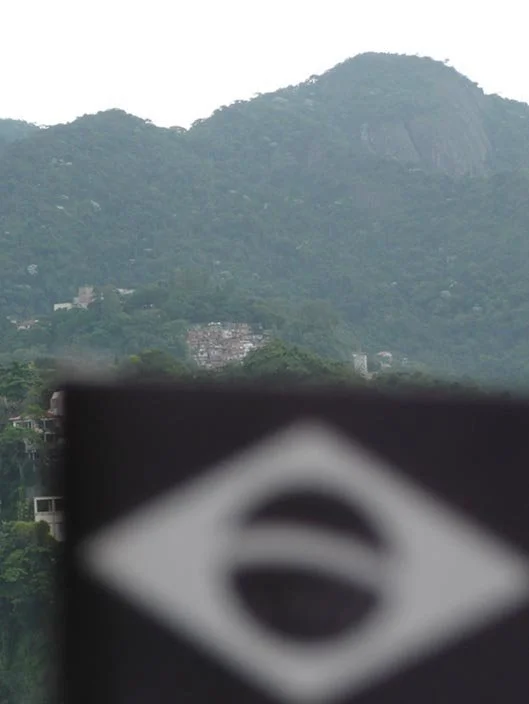
I spent December 2024 in my hometown of Rio de Janeiro, Brazil, engaging with sites of personal, cultural, and historical significance to my multidisciplinary practice due to the generous support of the SMFA Traveling Fellow Grant.
Escola de Artes Visuais Parque Lage (EAV for short), formed generations of artists before and after my time as a student in the 90s. This was the first art school I ever encountered as a teen. The building was remodeled in the 1920s by Henrique Lage, to please his Italian wife Gabriela Bezanzoni, an opera singer.
Glauber Rocha’s “Terra em Transe” was filmed in this location, adding an even more surreal aspect to the over-the-top eclectic architecture. The tropical landscape and colors make the experience all the more surreal - with the statue of the Christ perfectly framed above the pool located on the internal patio.
The phrase COLLECTIVUM DELIRIUM is featured in Latin as a compromise between English and Portuguese, sounding familiar enough in both languages. Every day at 9 AM, a line wraps around the building, with visitors unaware they are entering a functioning art school whose main interest in the location is a selfie opportunity.


Medium: Nylon Flags, sewing Dimensions: 10x33ft Year: 2025
post capitalist dreams
2024
The piece POST CAPITALIST DREAMS is my takeaway from eight months immersed in the topic of immigration through conversations, interviews, and collecting testimonies from the general public. The buzzword "immigration" is used to simplify a global scenario of instability, inequality, and abysmally widening wealth gap.
The phrase invites us to think freely and dream about better ways to organize and exist collectively.
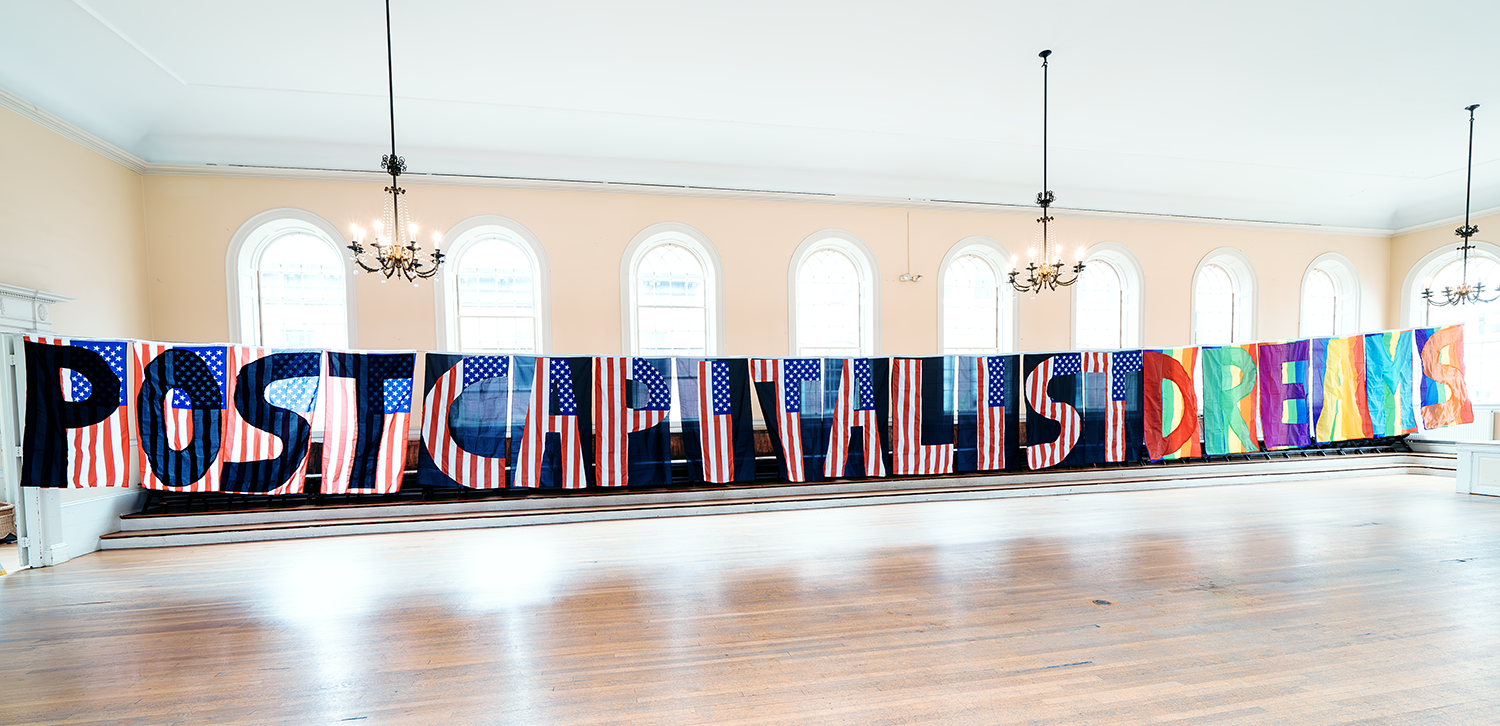
Medium: nylon flags, sewing. Dimensions: 60x5ft Year: 2024
Social Fabric
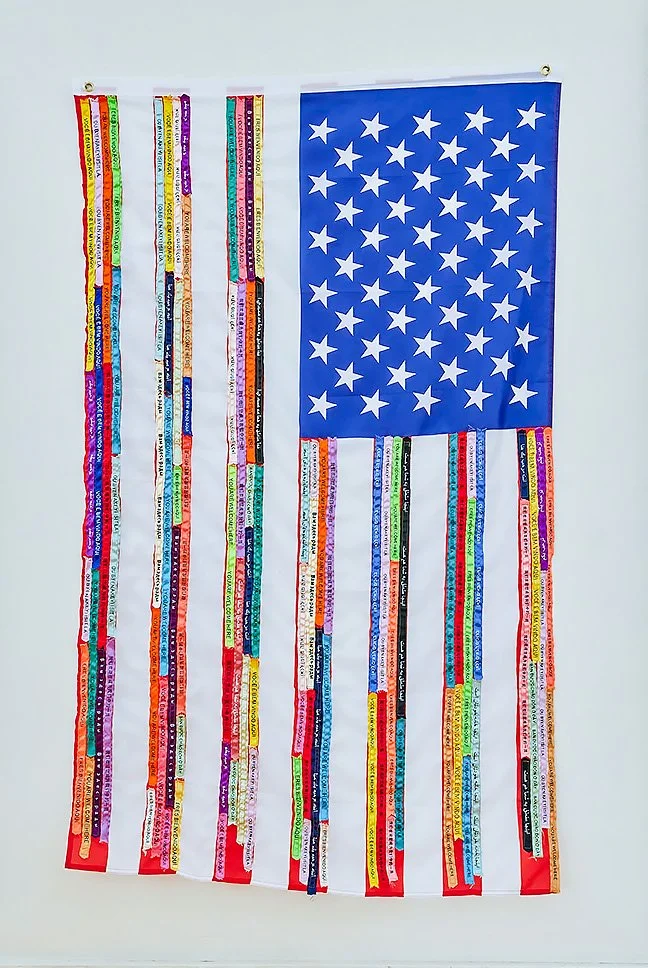
social Fabric - ICE
2024
This gut-wrenching first-person account of a child being separated from her father at the Mexico border was submitted via the QR code of the Transcending Borders piece when it was installed in a public location in 2023. In most cases, immigration is not a choice but a necessity. "Seeking opportunity" is usually tied to fleeing a country ravaged by poverty, violence, and corruption, a country destabilized and drained by colonial and imperial practices. Immigrants contribute to a developed country's social structure - often as the base of a social pyramid.


Medium: Custom-printed flag featuring a typeface designed by the artist with an unedited story submitted to the participatory Transcending Borders public art piece. Dimensions: 30x3ft Year: 2025
social fabric
Do you consider yourself American? where? why?
2024


Medium: Custom-printed flag featuring a typeface designed by the artist, with excerpts from the stories submitted to the participatory Transcending Borders public art piece. Dimensions: 5x3ft each Year: 2025

Welcome Dresses
2023-2024
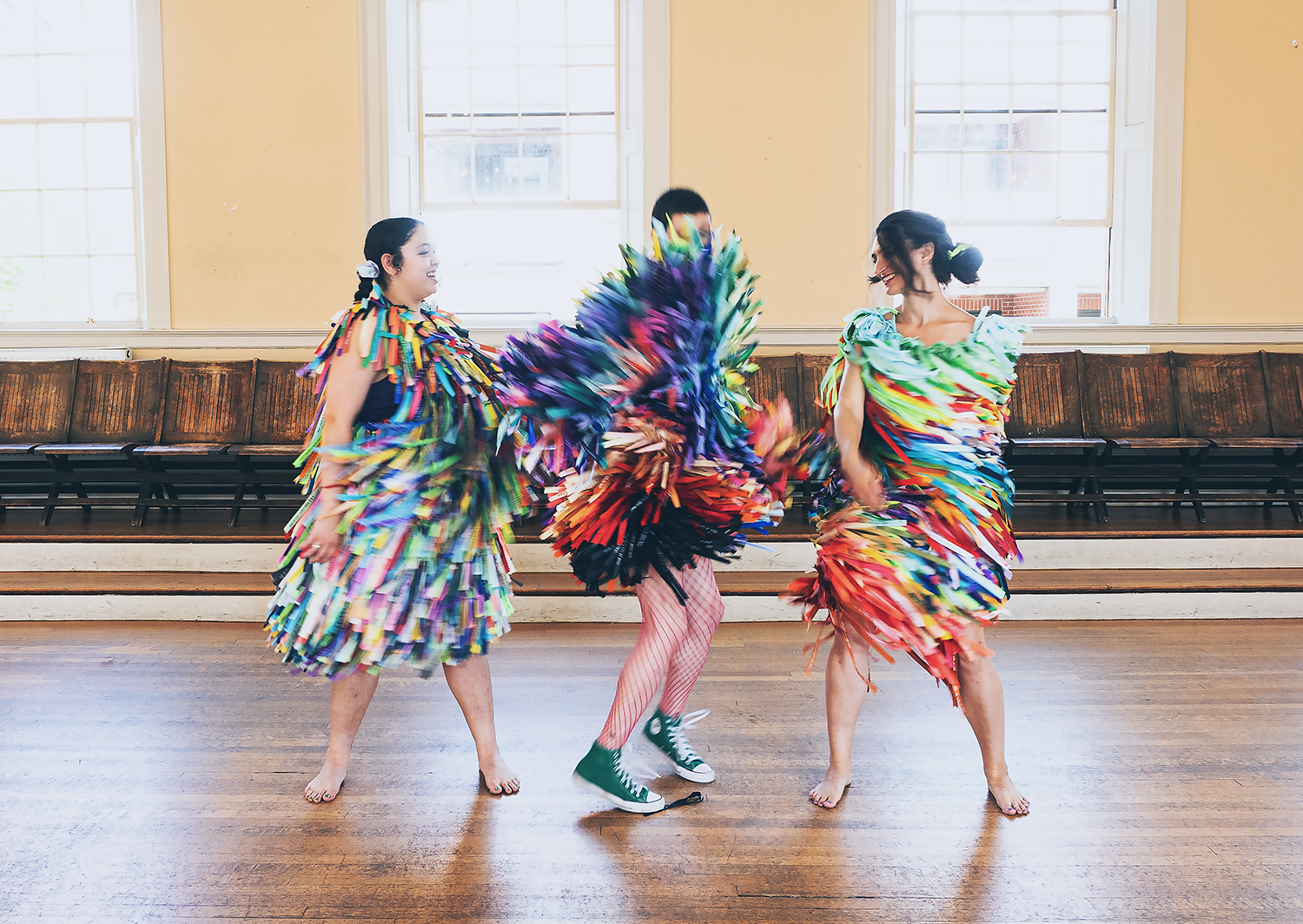
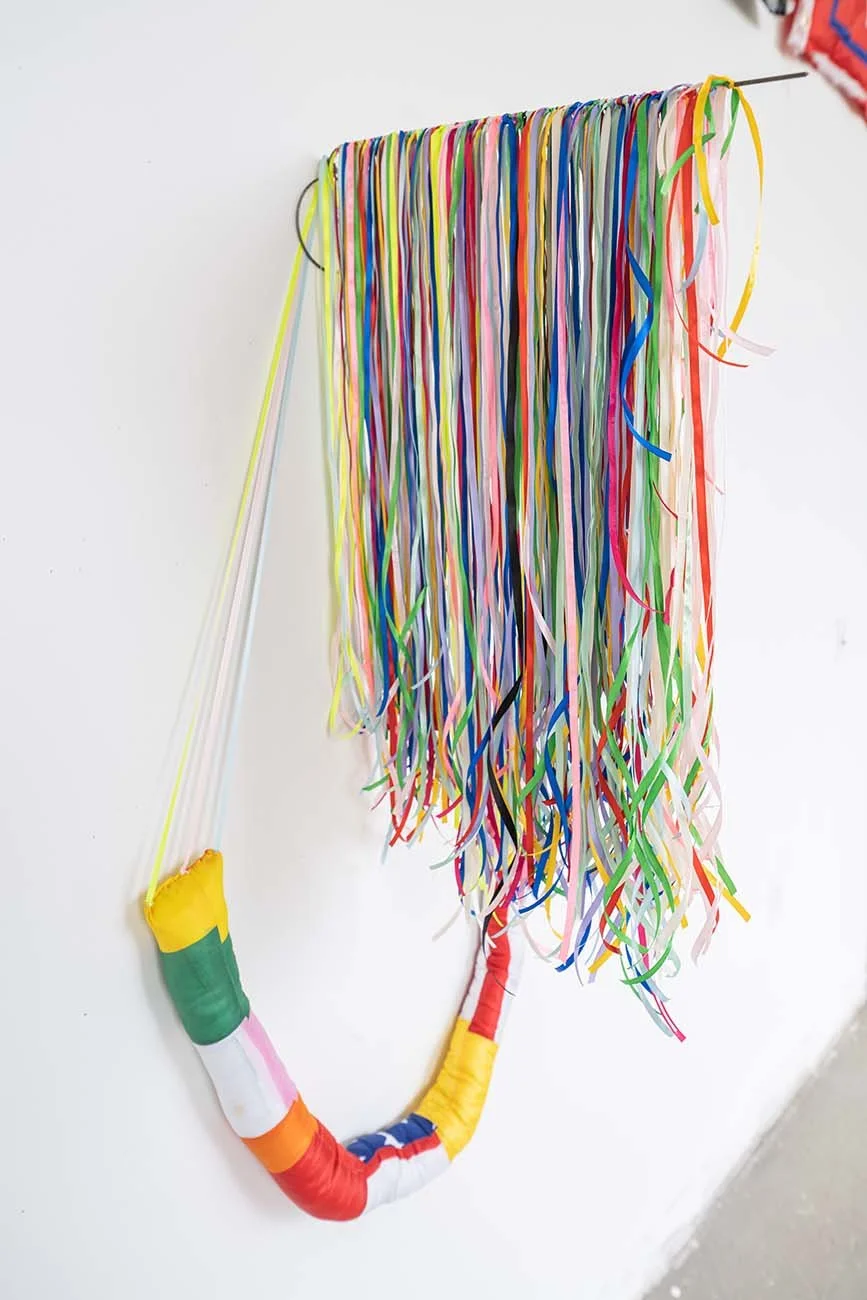
Joy is Revolutionary! If we listen and look closely migration stories are majoritively based on courage, self-improvement, seeking knowledge, and opportunities, preserving different cultures and traditions, finding family, and love, and creating richer, more diverse, colorful, musical, and beautiful communities.
Although hardship is often associated with these experiences, no person should be defined only by their sacrifice, suffering, and traumas. The welcome dresses are an embodiment of the joy brought by and experienced within immigrant communities.


Medium: Mesh Dresses and custom-print ribbons with the phrase YOU ARE WELCOME HERE printed in several languages spoken by immigrant populations of greater Boston. Dimensions: variable approximately. 5x3x2ft each Year: 2024



Apocalyp & furthur
2022
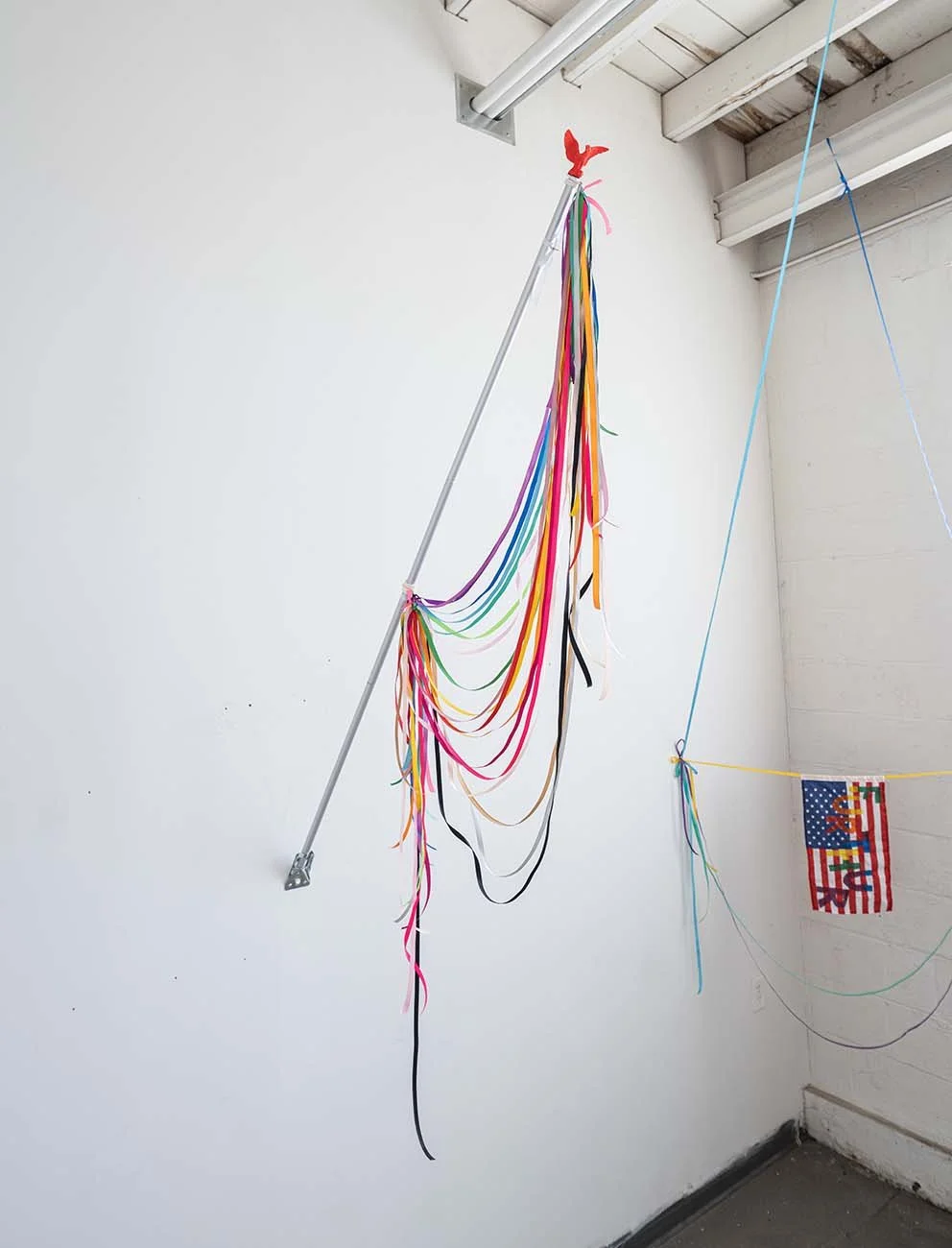
What is the opposite of APOCALYPTIC?" Inspired by Tom Wolfe's "The Electric Kool-Aid Acid Test". A chronicle of the civil disobedience-fueled adventures of Ken Kesey and the Merry Pranksters across North America.
The bus that the Merry Pranksters called a make-shift home when on the road, often driven by Neal Cassady, was affectionately named "Furthur". This word embodies a humorous and upbeat countermeasure to apocalyptic narratives.
Each flag adds a symbol of inclusion, diversity, and peaceful coexistence to the conversation: the Progressive Pride Flag, the North American Flag, the Democratic Socialist Flag, the Black Lives Matter Flag, the Anti Fascist Action Flag, the American Indigenous Movement Flag, the “No Step on Snek” Flag, and the Trans Pride Flag.
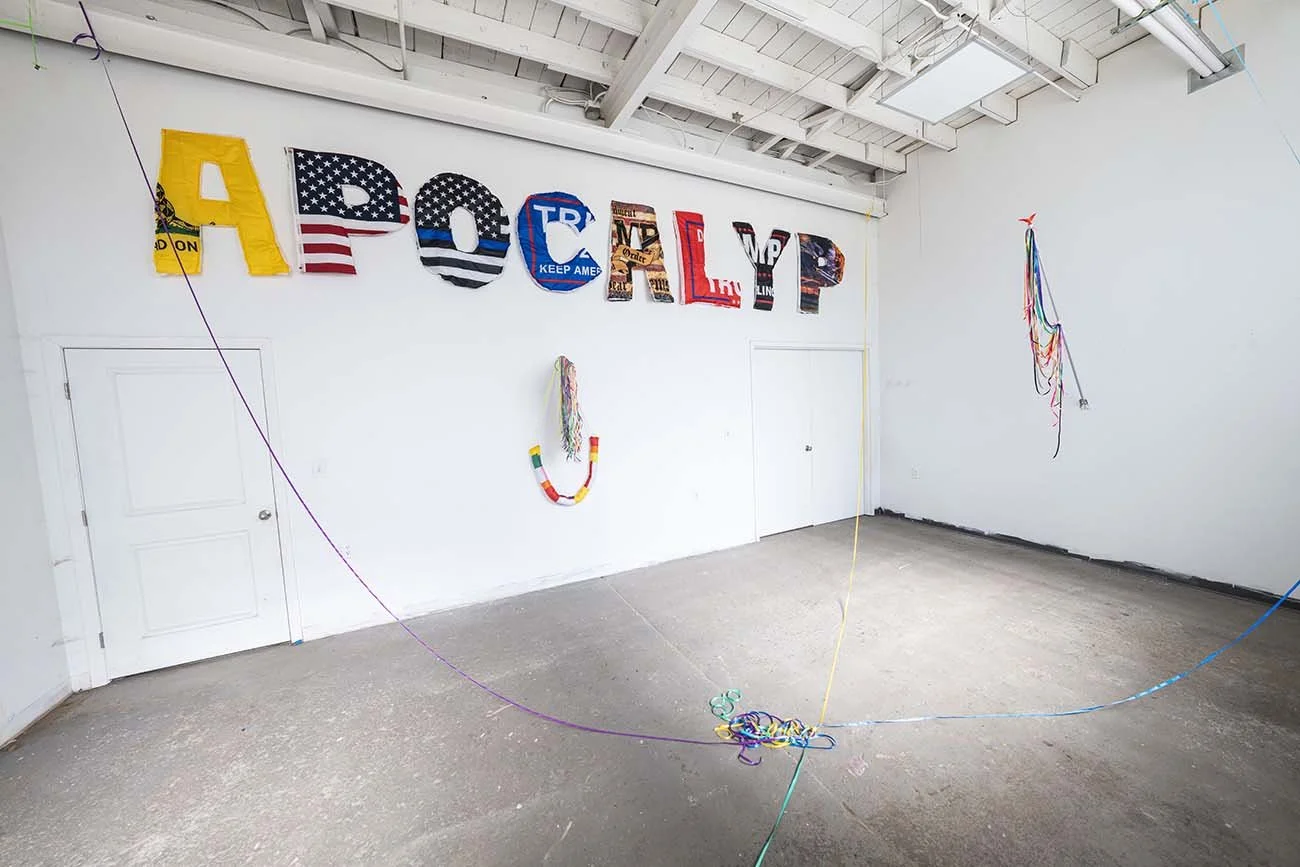
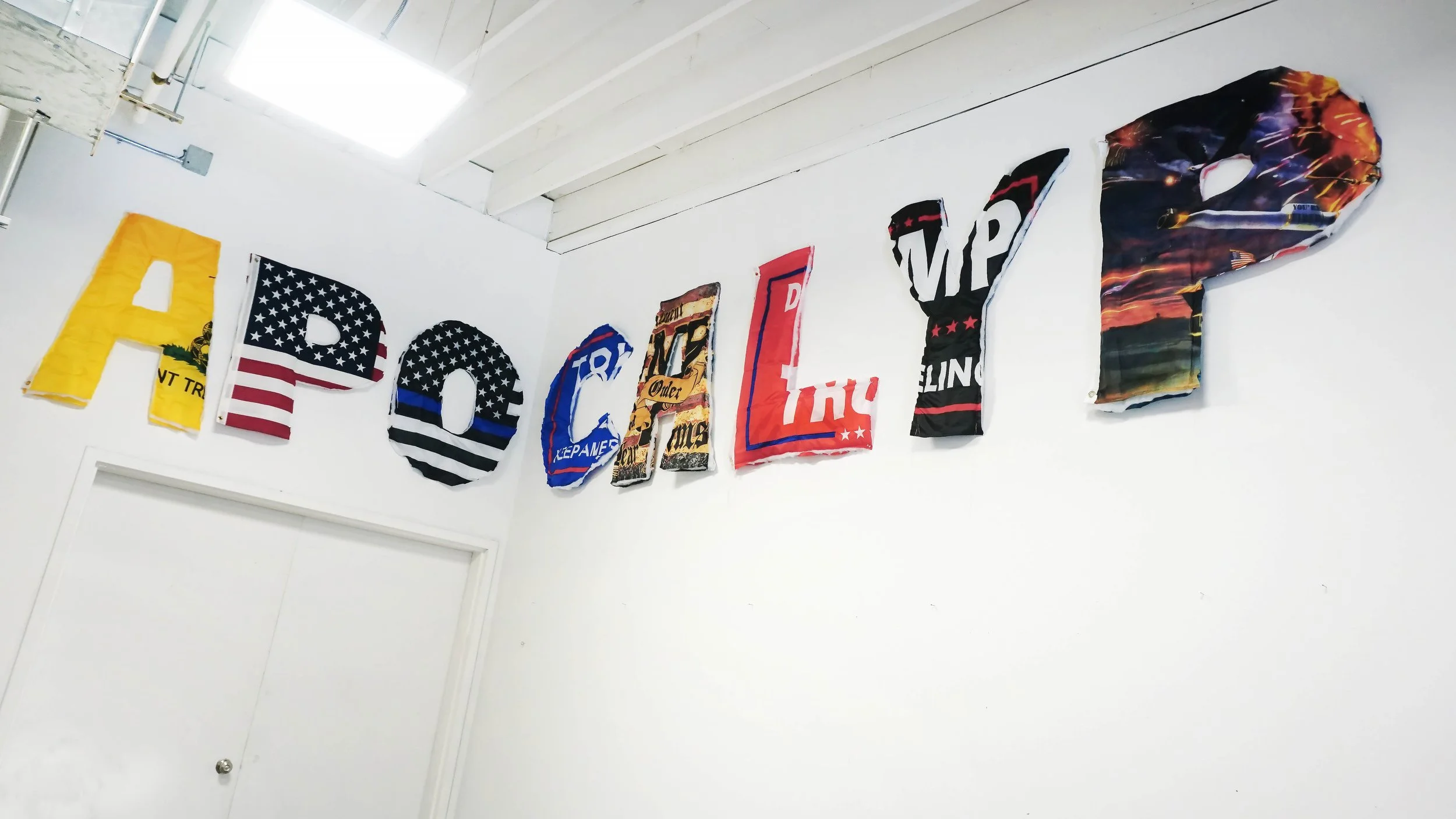
Seen here at the Sculpture Space Residency. Medium: Nylon Flags, sewing. Dimensions: 5x20ft Year: 2022

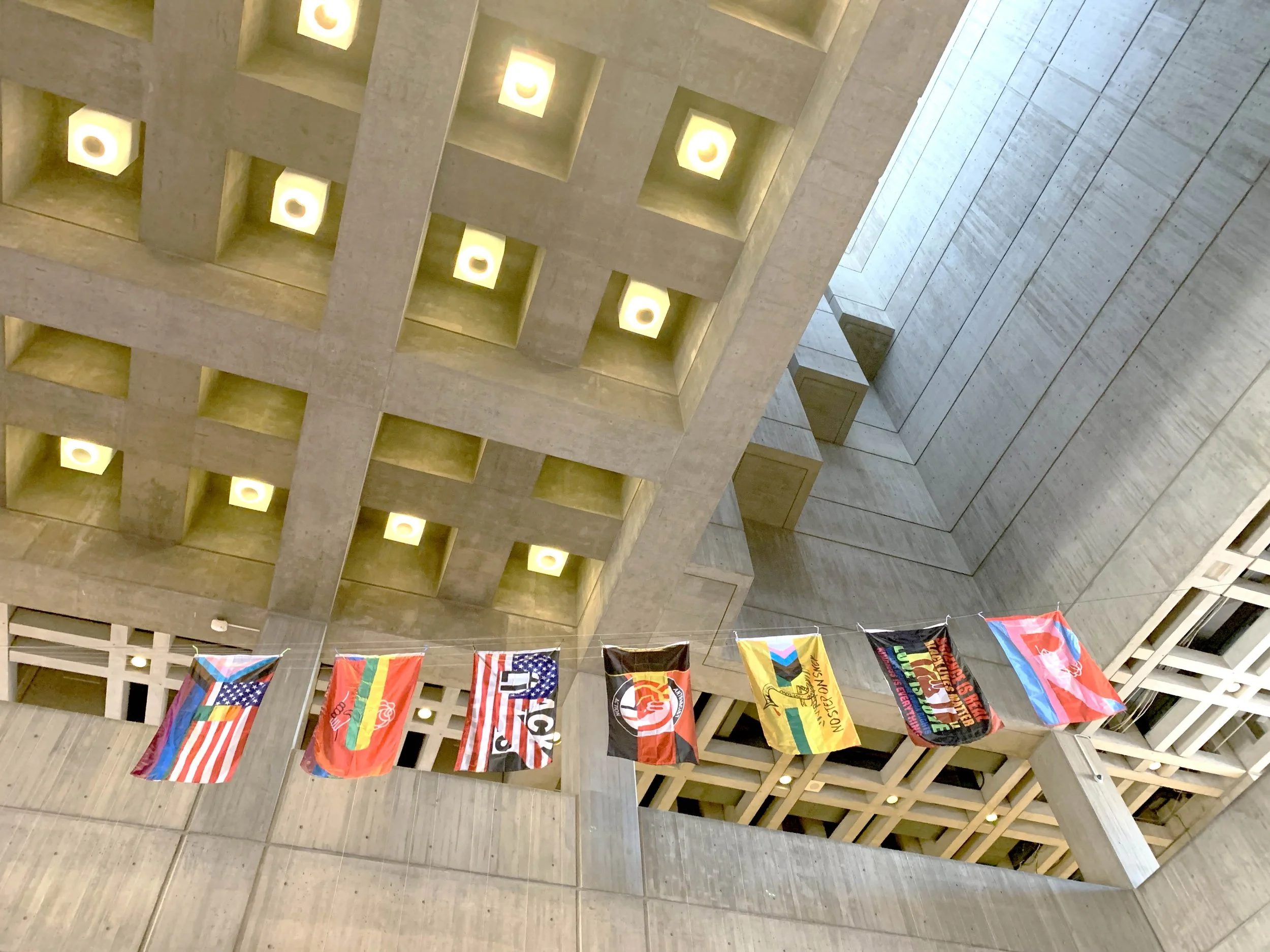
Seen here at the Boston City Hall atrium. Medium: Nylon Flags, sewing. Dimensions: 5x21ft Year: 2022
Seen here at the Sculpture Space Residency. Medium: Nylon Flags, sewing. Dimensions: 5x21ft Year: 2022 Video by Matt Ossowski


Anomia
2021
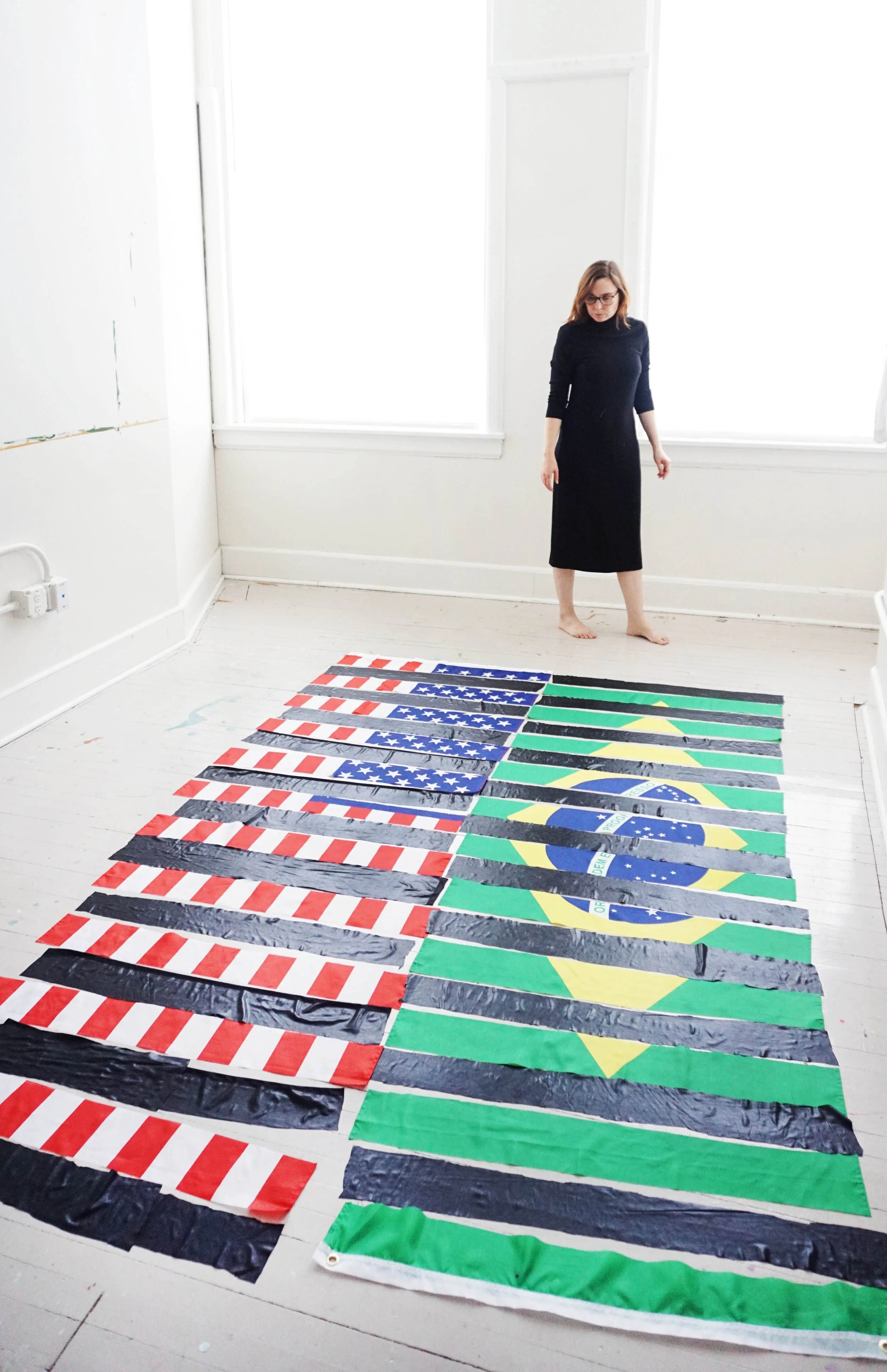
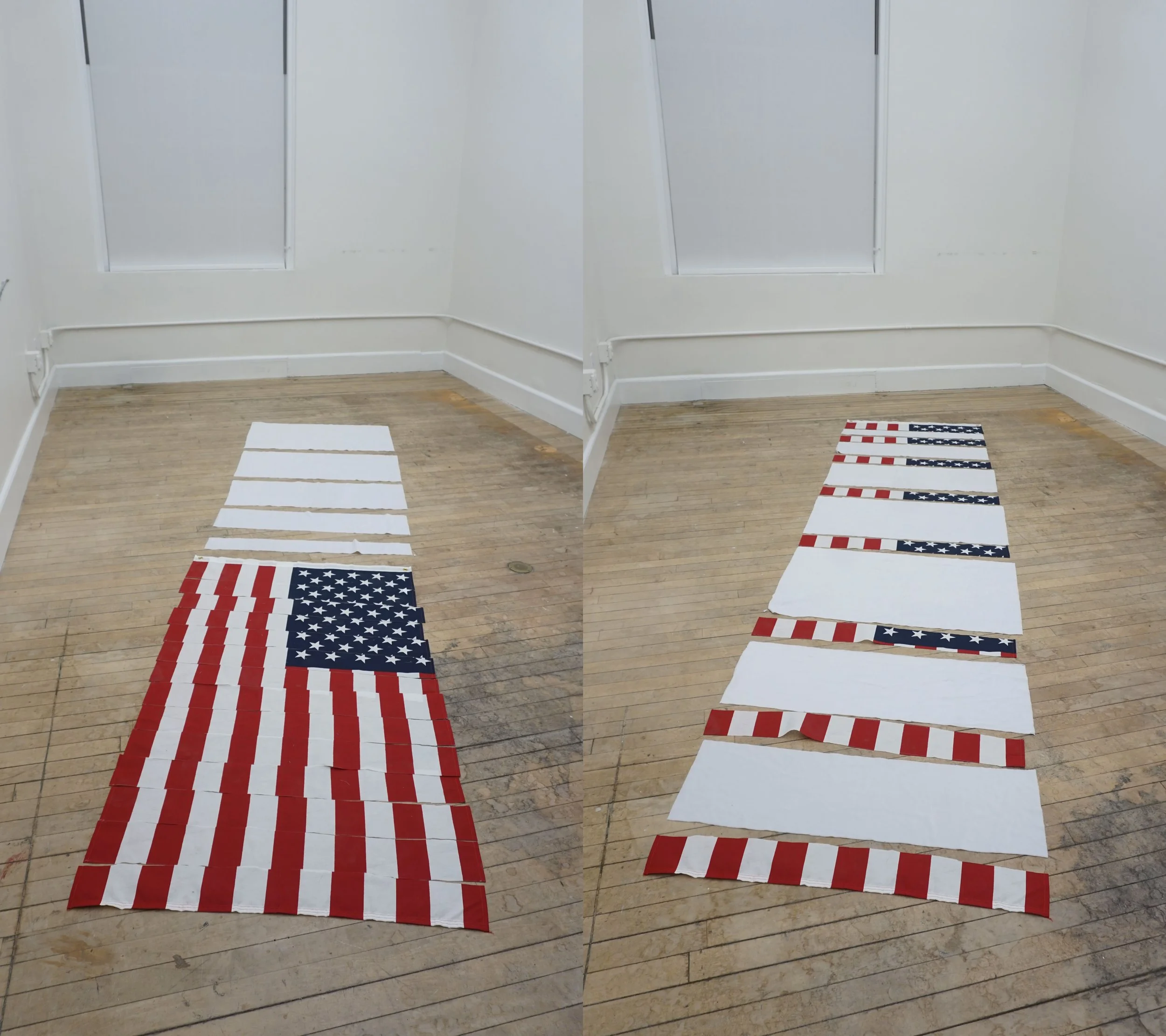
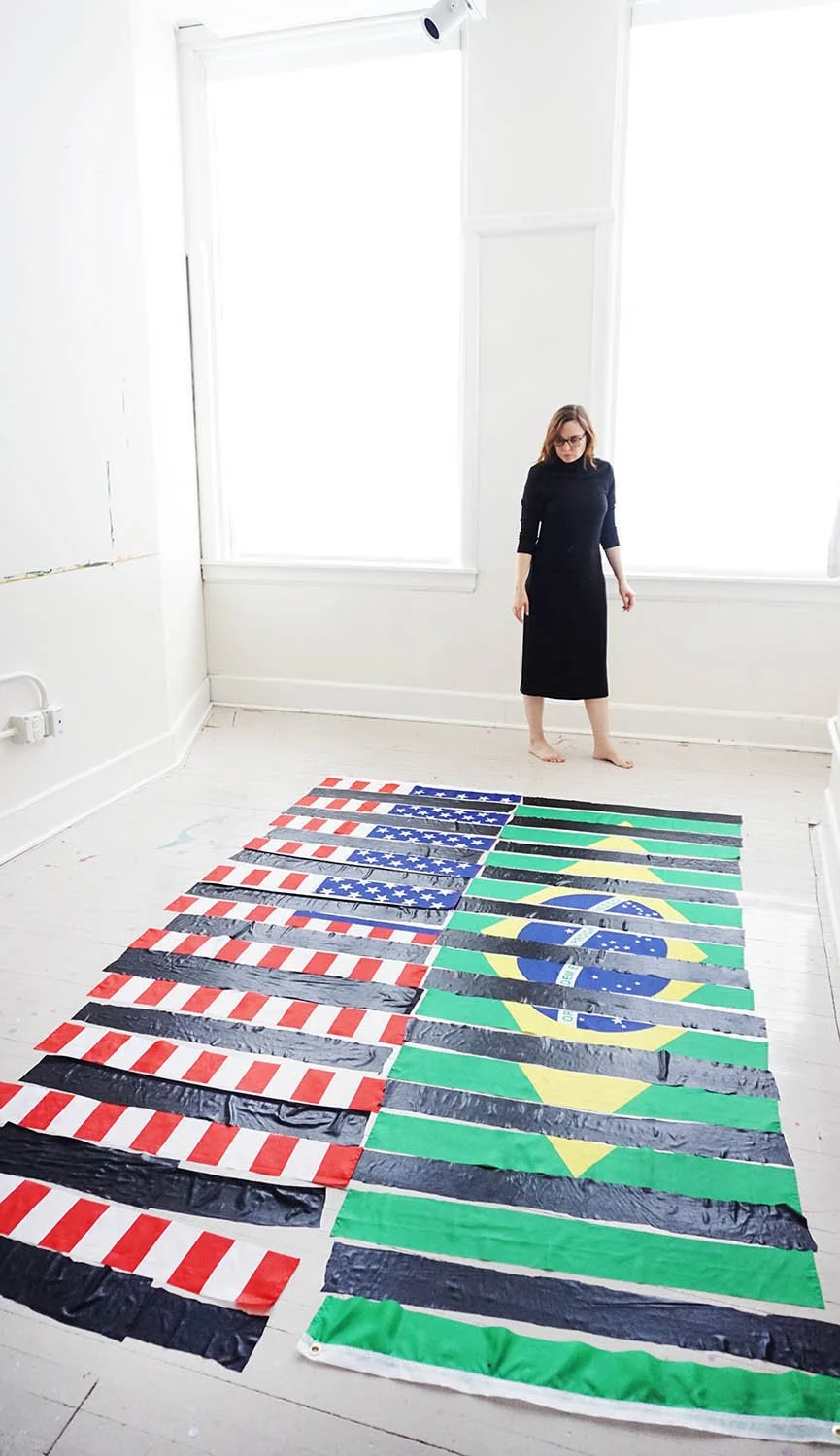
Anomia is a medical condition in which sufferers are unable to name objects or to recognize written or spoken names of objects. It can be caused by severe trauma.
Since moving to America Csekö has experienced a double feed of information from her two homes in Brazil and North America. Frequent communication with family and friends living in Brazil offers a vivid portrayal of the current political scenario overseas, while she has experienced the United States political landscape first-hand for the past 10 years.
Cseko witnessed both countries spiral into an overwhelming narrative of misinformation, and gross mismanagement, that cost an insurmountable amount of lives, as a pandemic worsened the already dire situation of pervasive corruption, as well as deep-set social and racial inequalities.
A sense of helplessness and loss of words ensued. As both countries failed to care for their populations denying basic human dignity and rights to their people.
The national symbol held within the flag became detached from its meaning. What does it mean to be a nation? What does it mean to be a citizen? What does it mean to participate in the quotidian political life of a country? What is justice and whom does it serve? Do we feel safe?
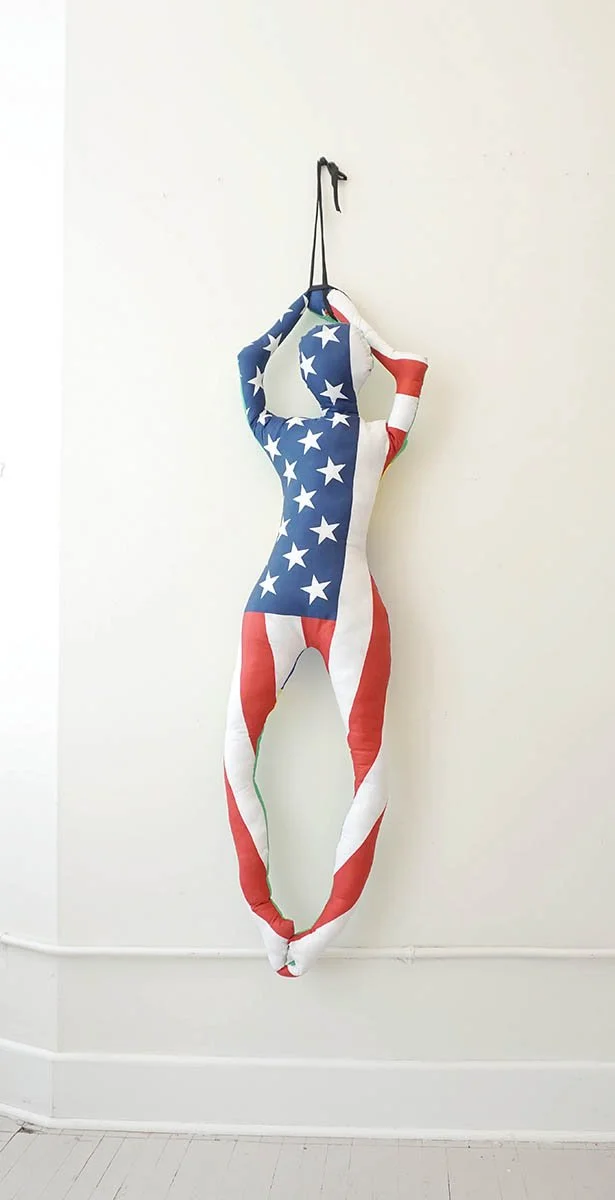
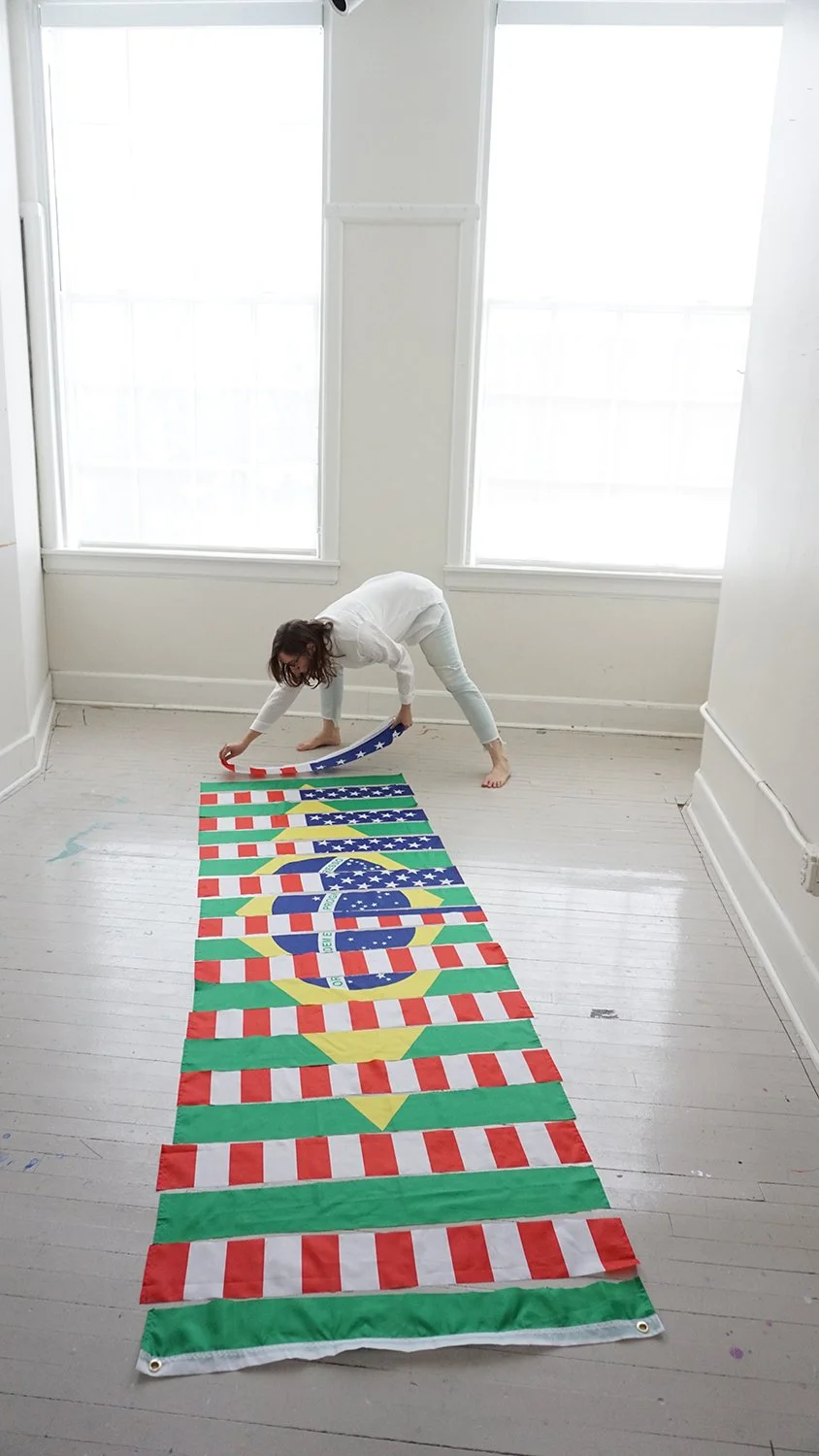
In early 2021 Csekö immersed herself in the process of deconstructing the Brazilian and North American national symbols, in hopes that by reconstructing them, new meanings would emerge.



School of the Americas
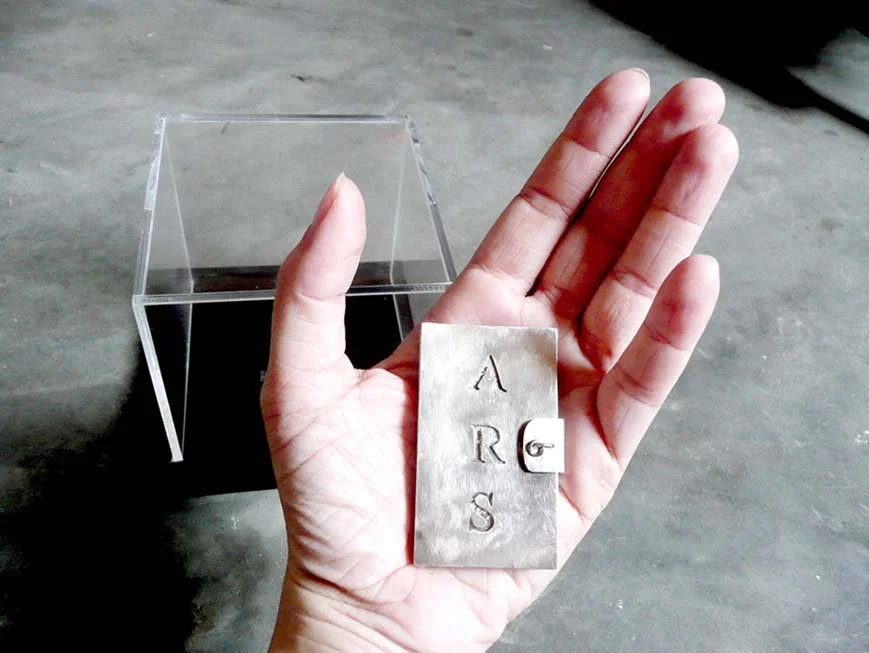
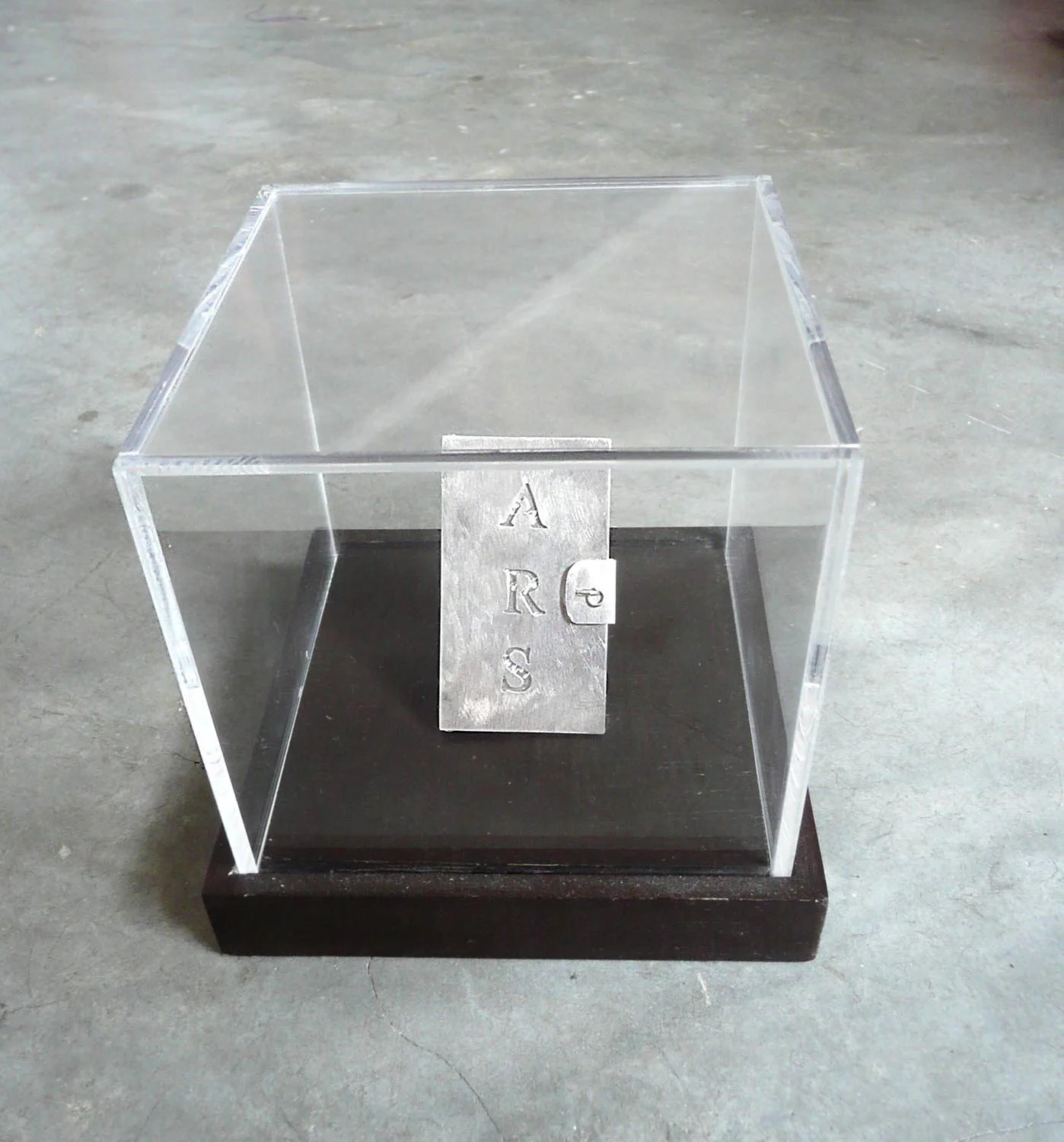
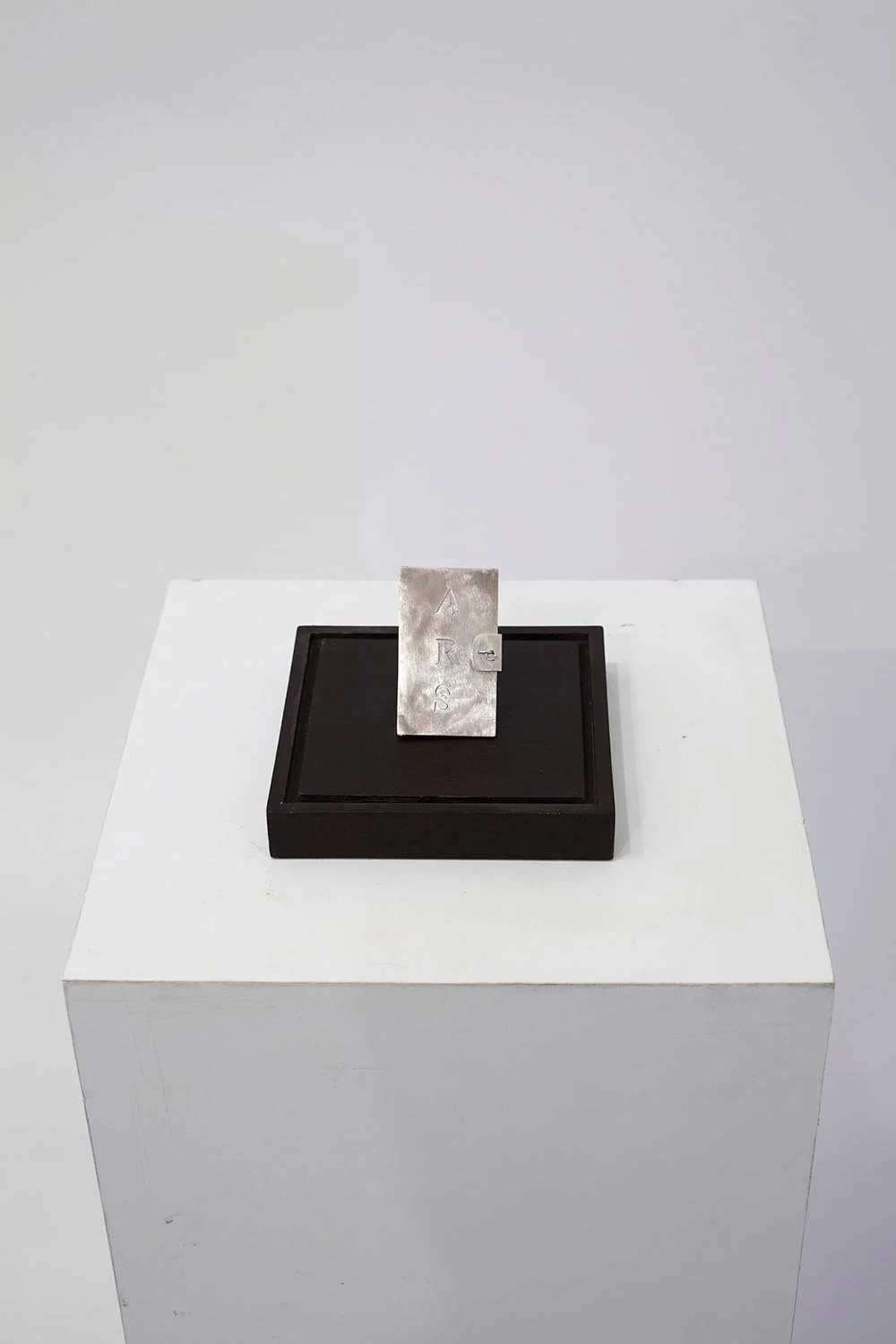
Metal Sculptures
Utensils
2013
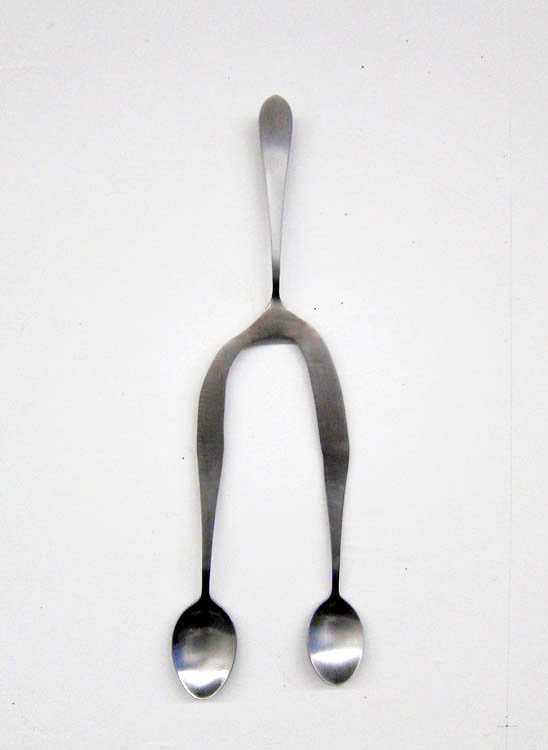
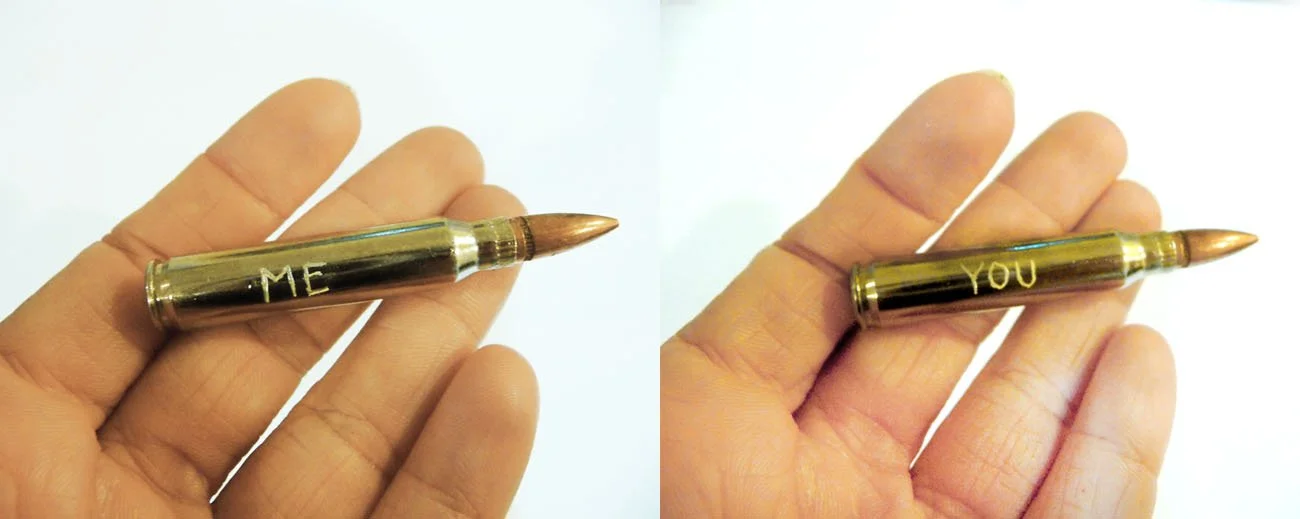
Welded stainless steel, 2013, approximately 18x10x1.5in
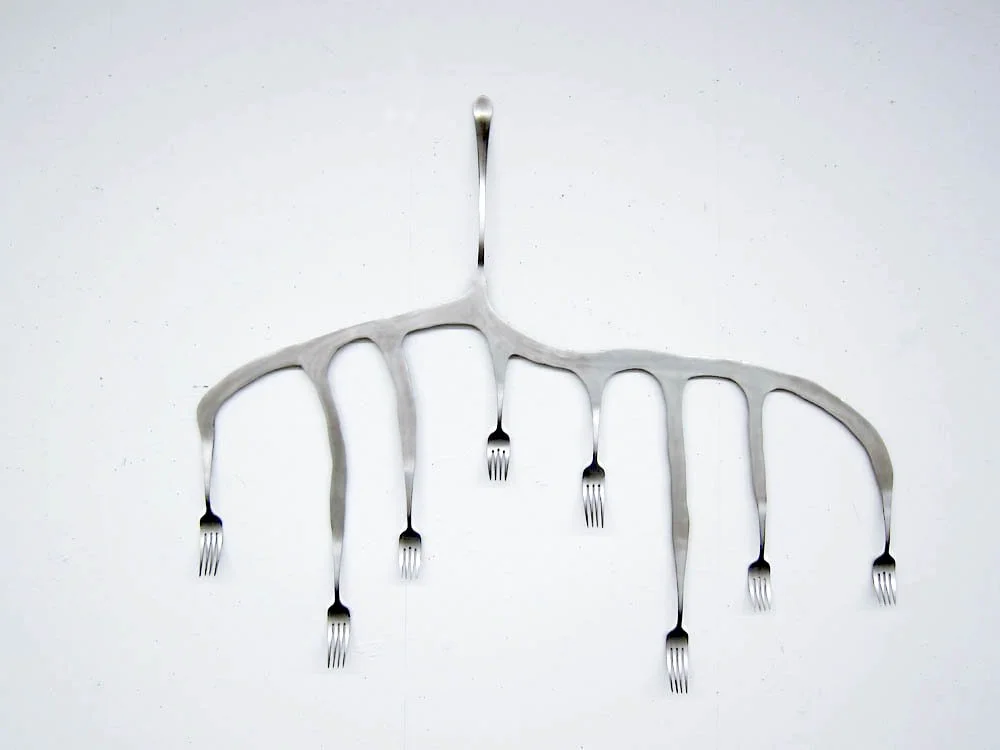
Welded stainless steel, 2013, approximately 36x32x1.5in
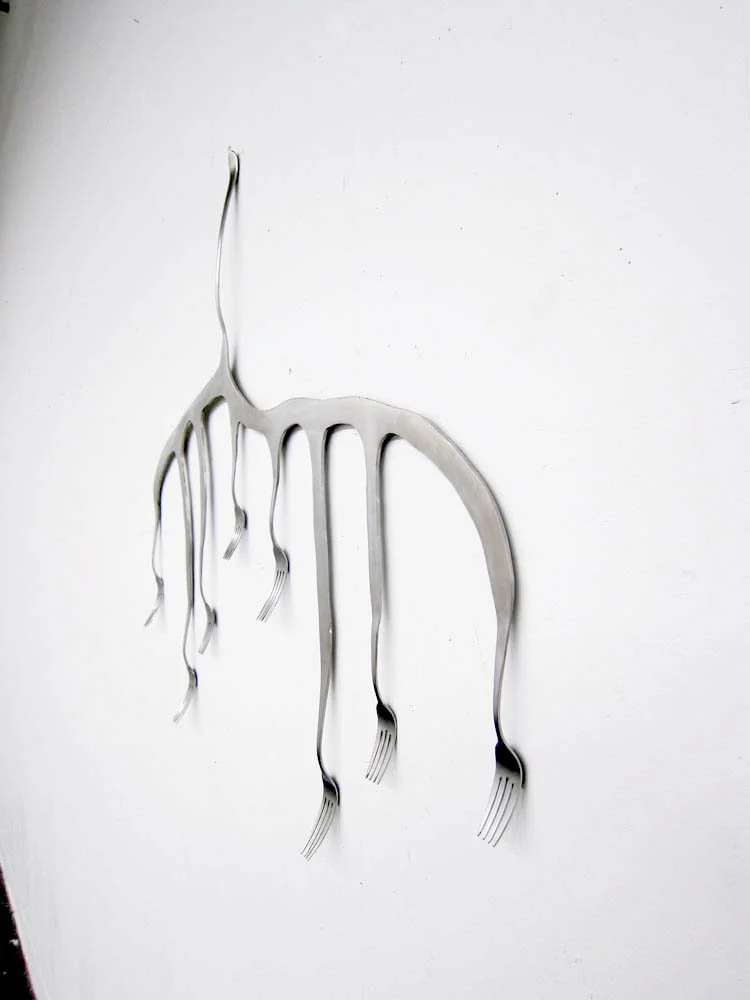
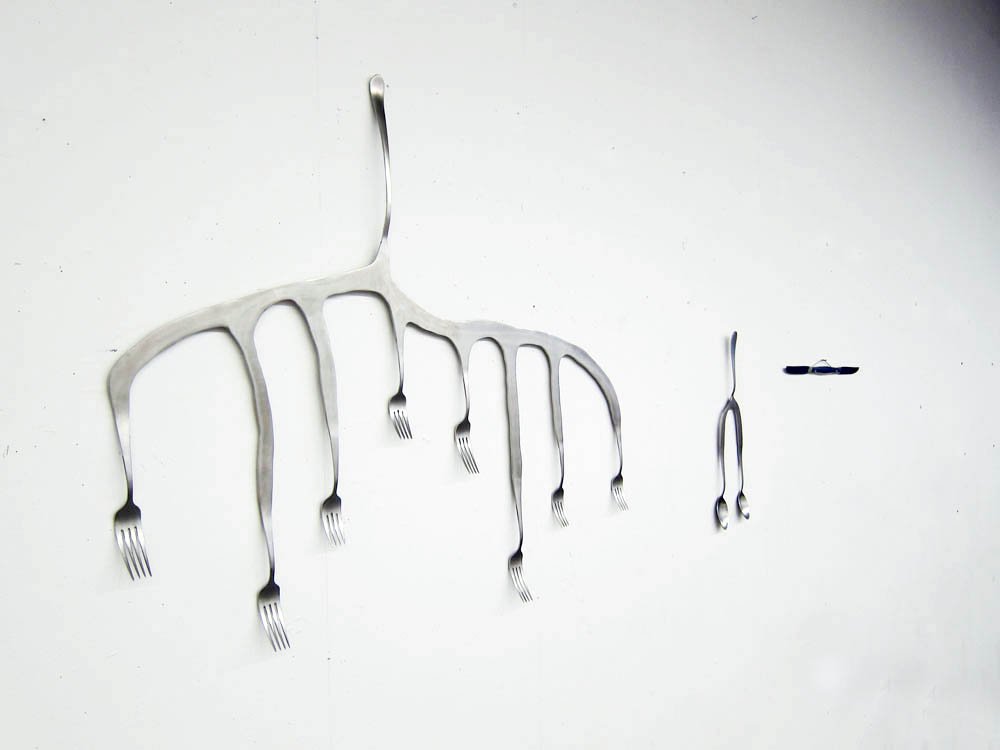

Welded stainless steel, 2013, approximately 15x2x1.5in
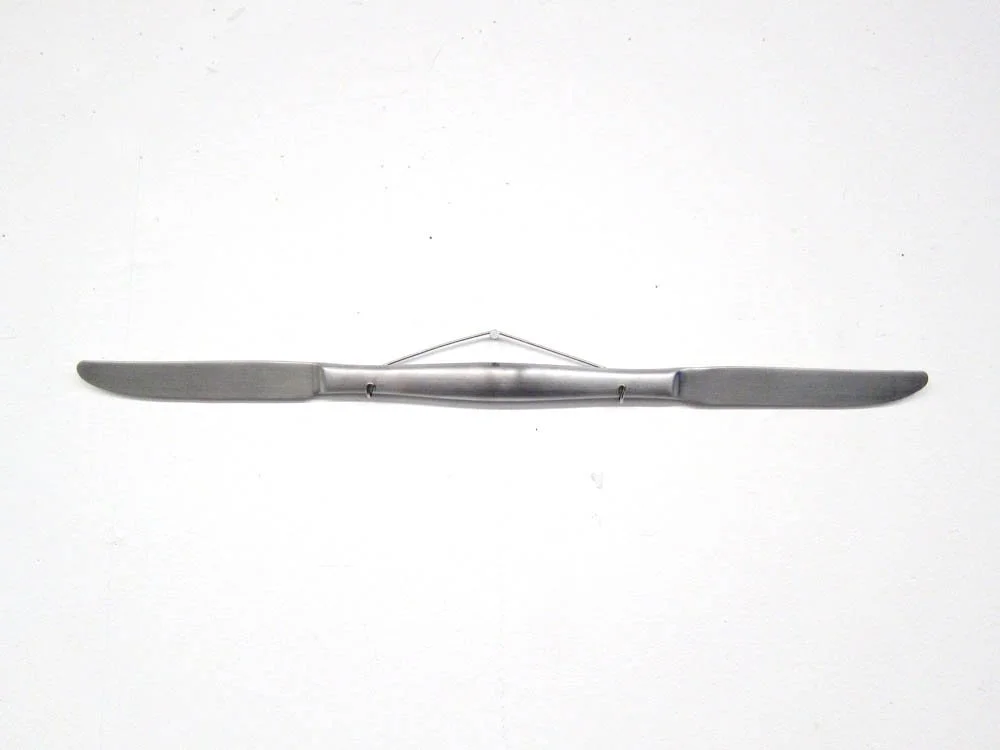
Welded stainless steel, 2013, approximately 18x2x1.5in
Soft Sculptures
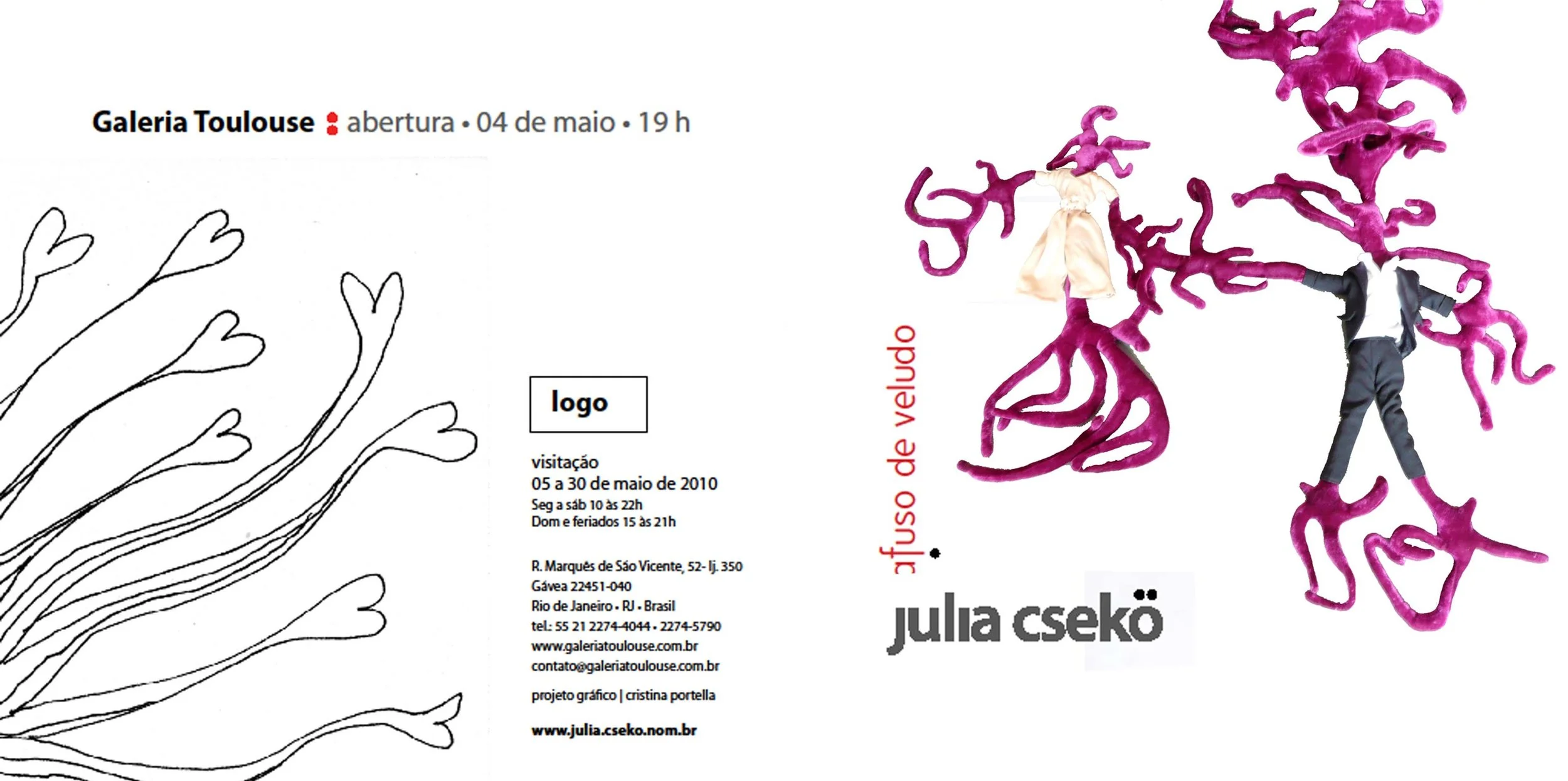
2004-2010
Photos by Joana Traub Csekö
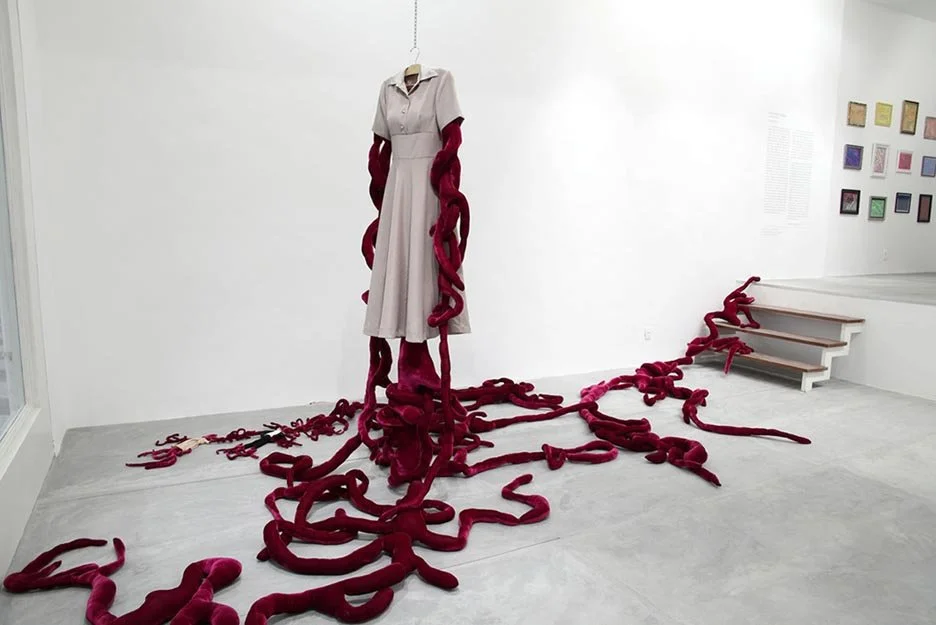
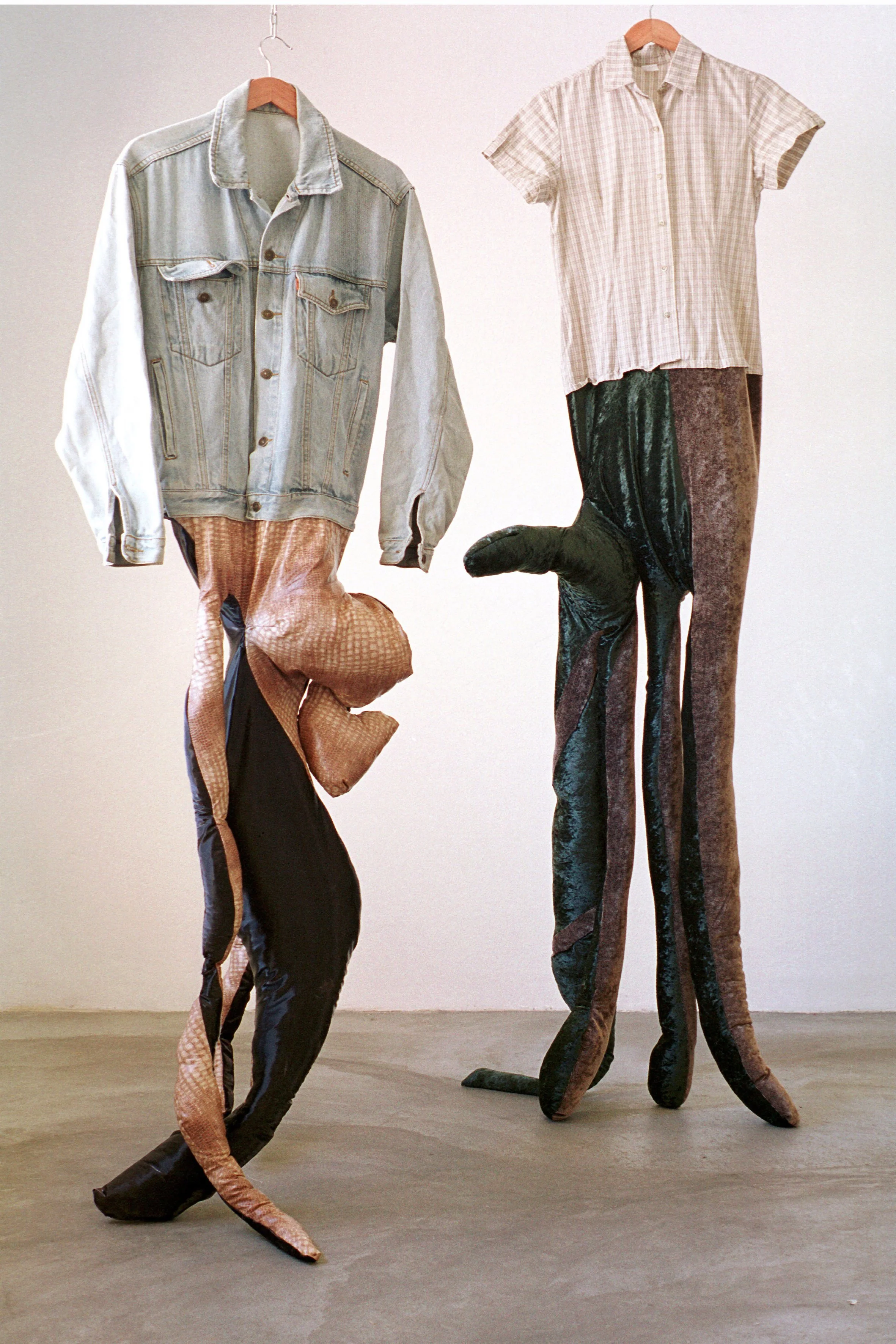
Coupling Hybrid, 2009. Approximately 8x15x6ft
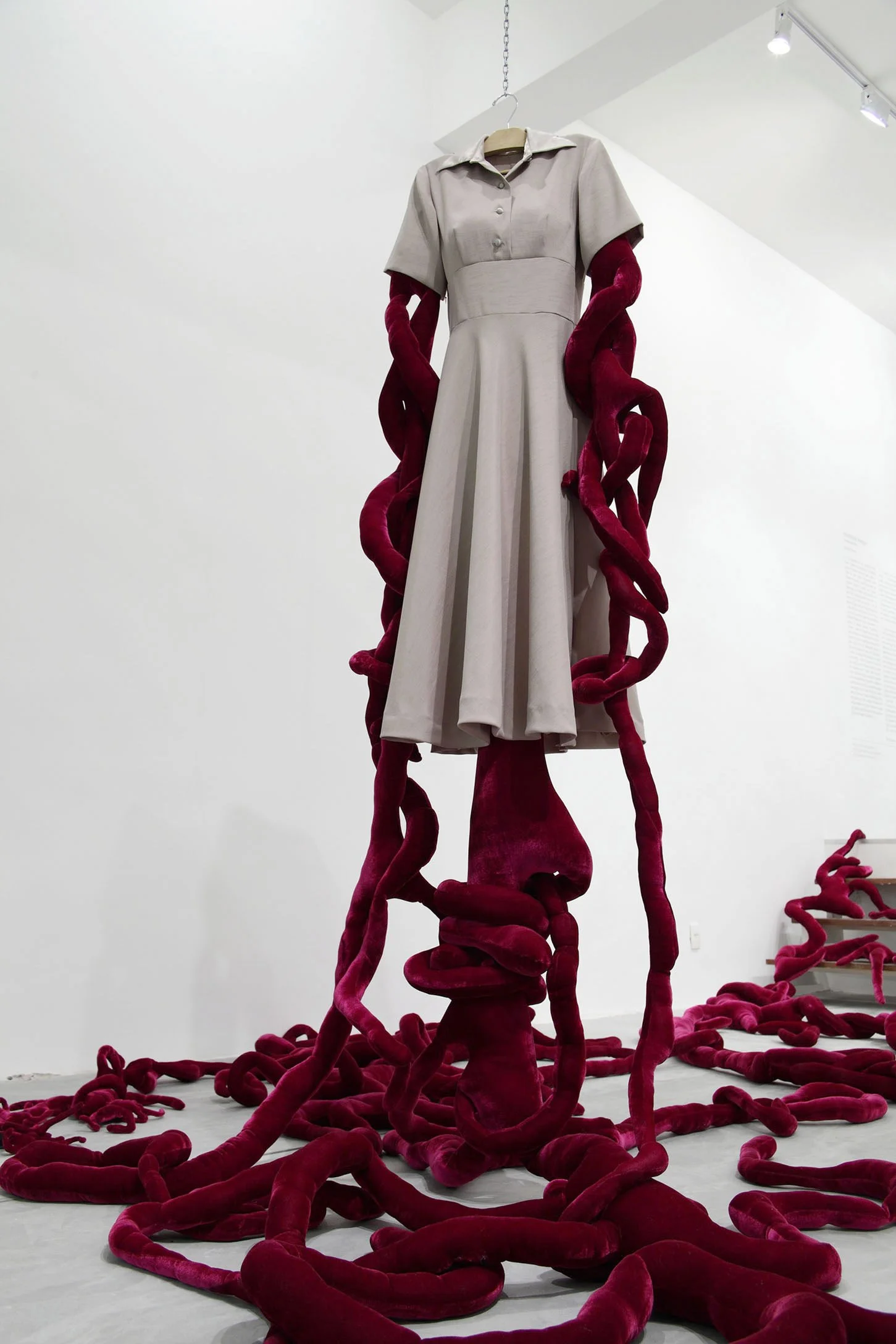
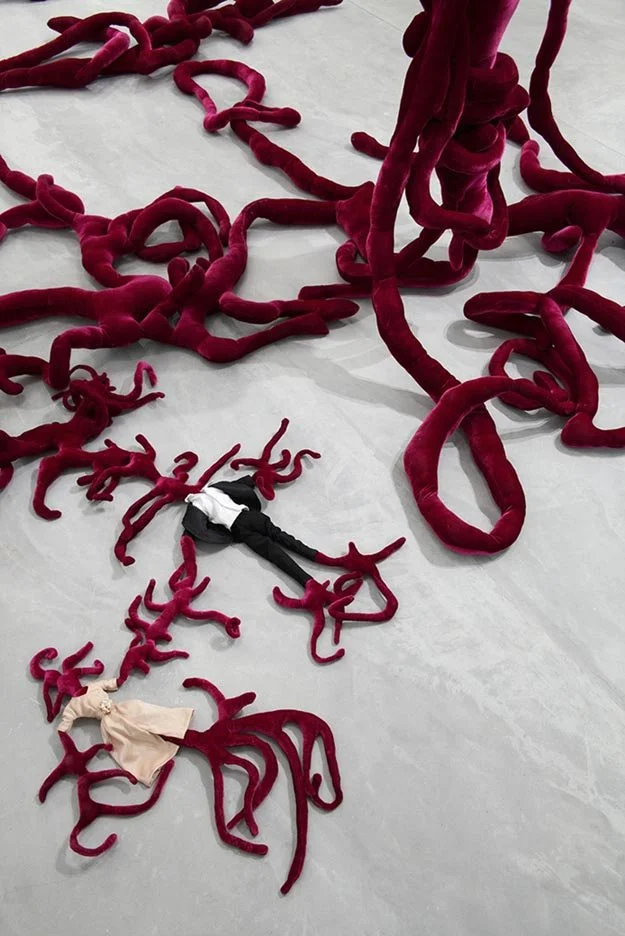
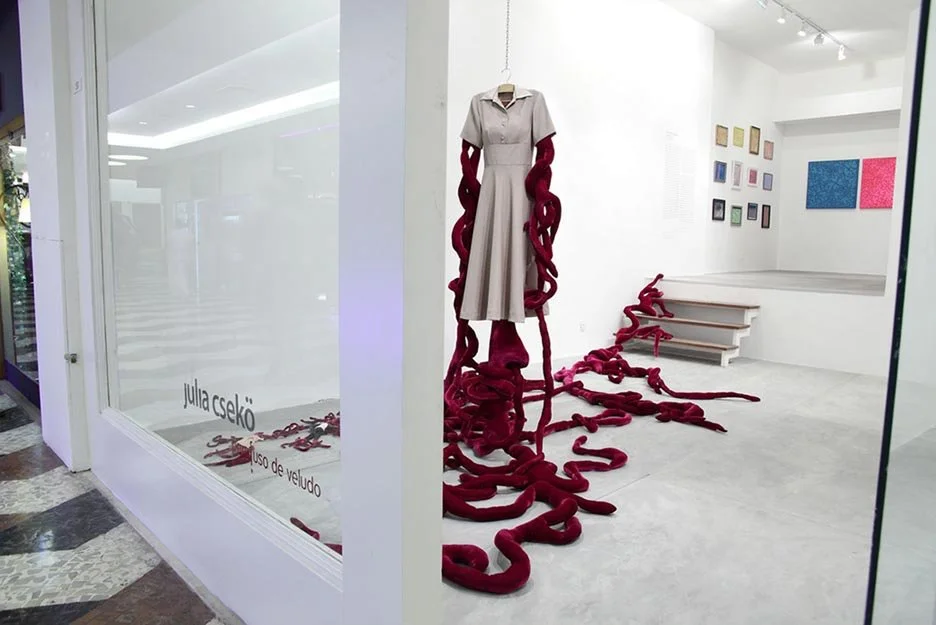
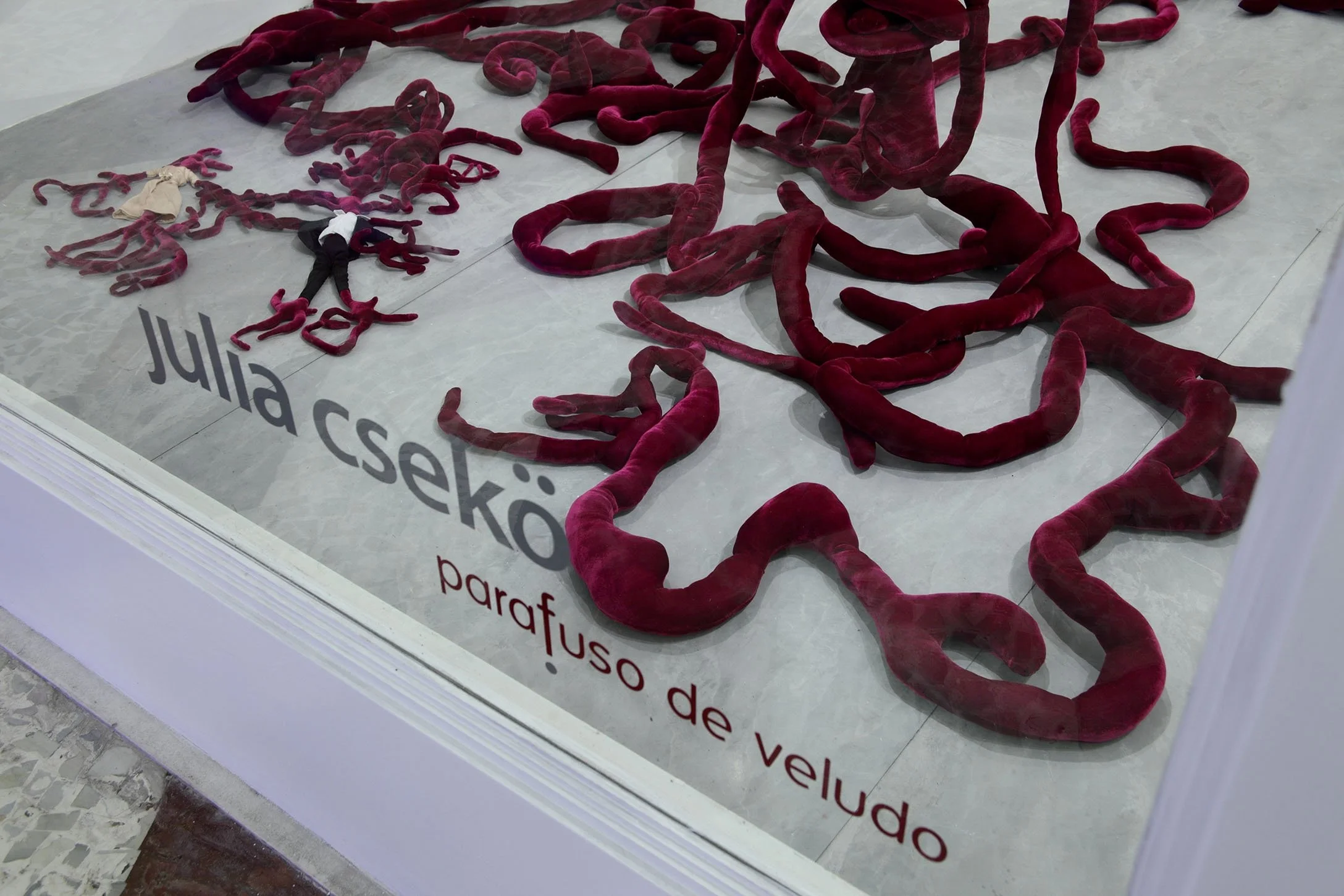
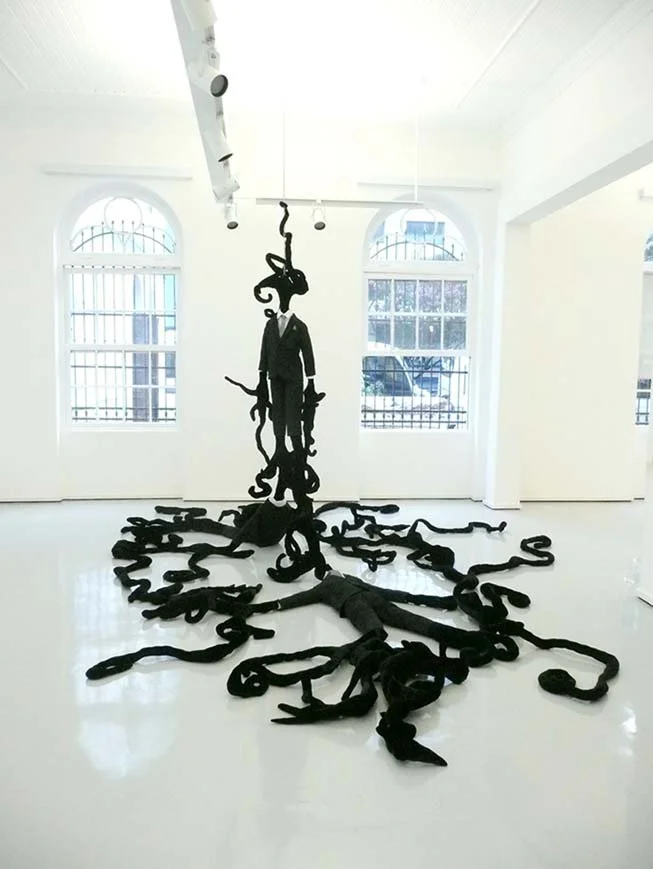
Corporate Hybrid, 2009. Approximately 8x6x7ft
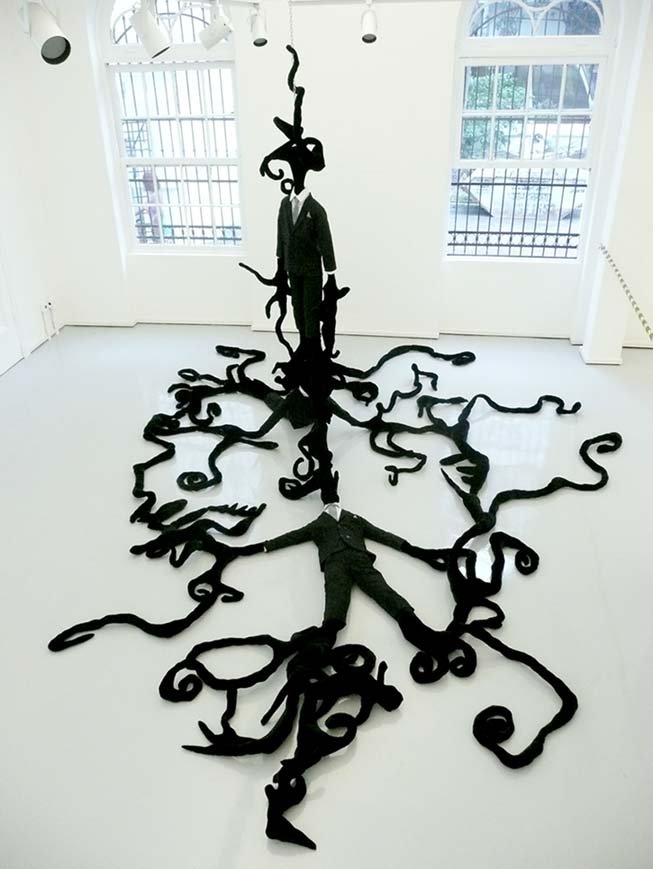

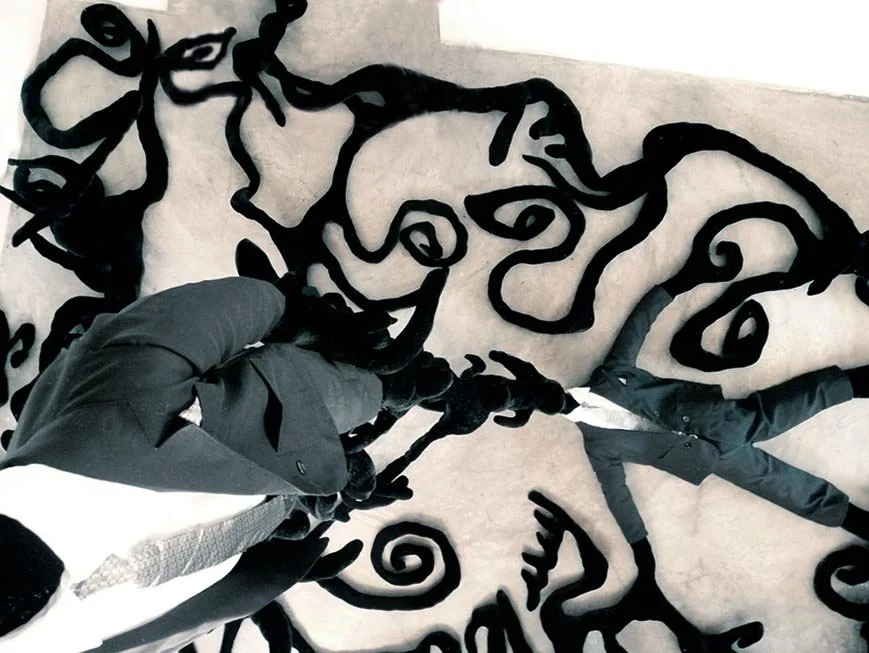
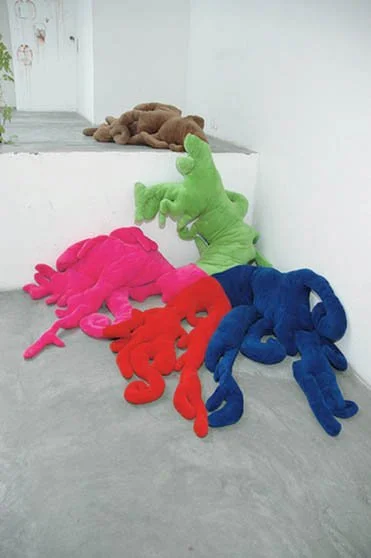
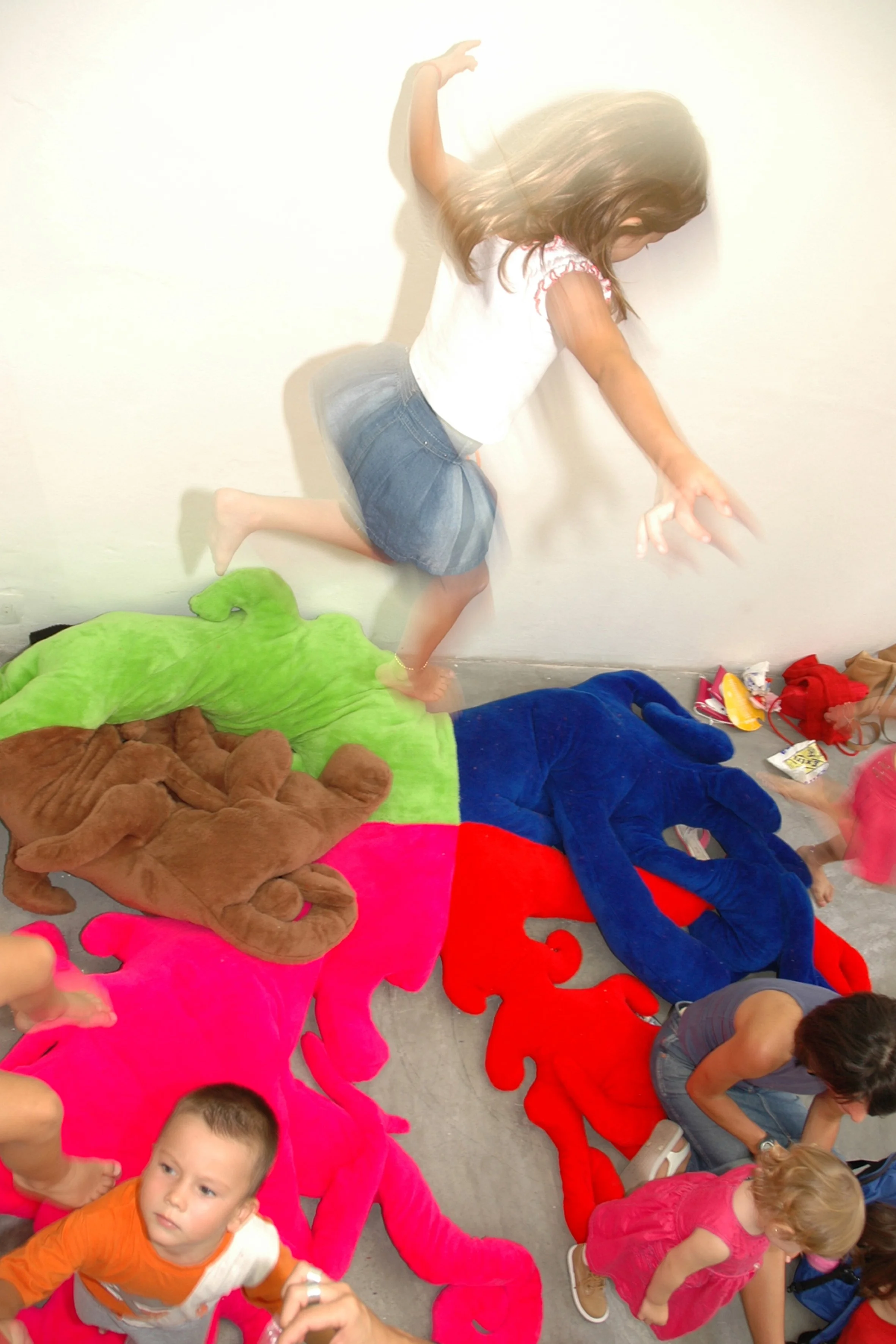
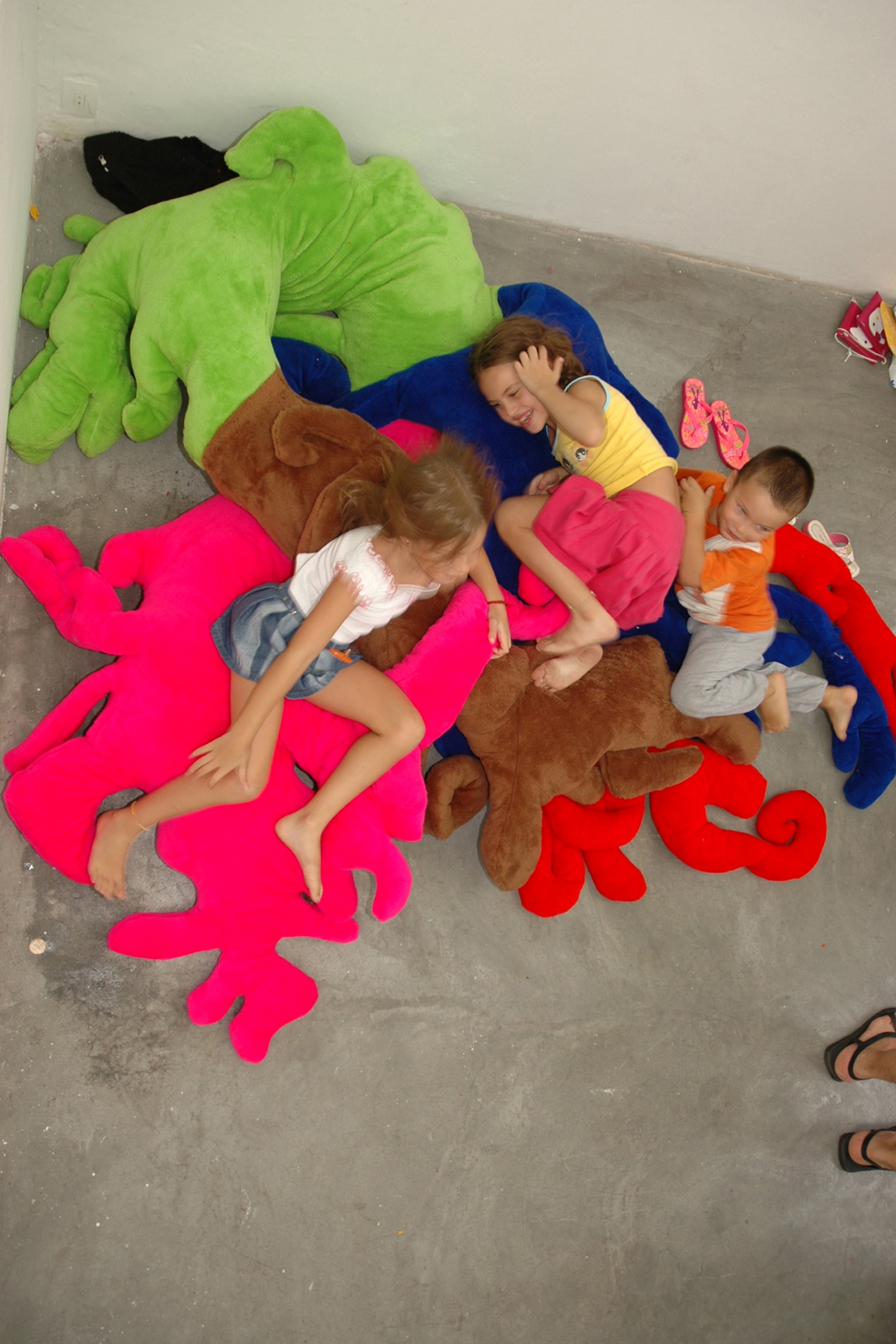
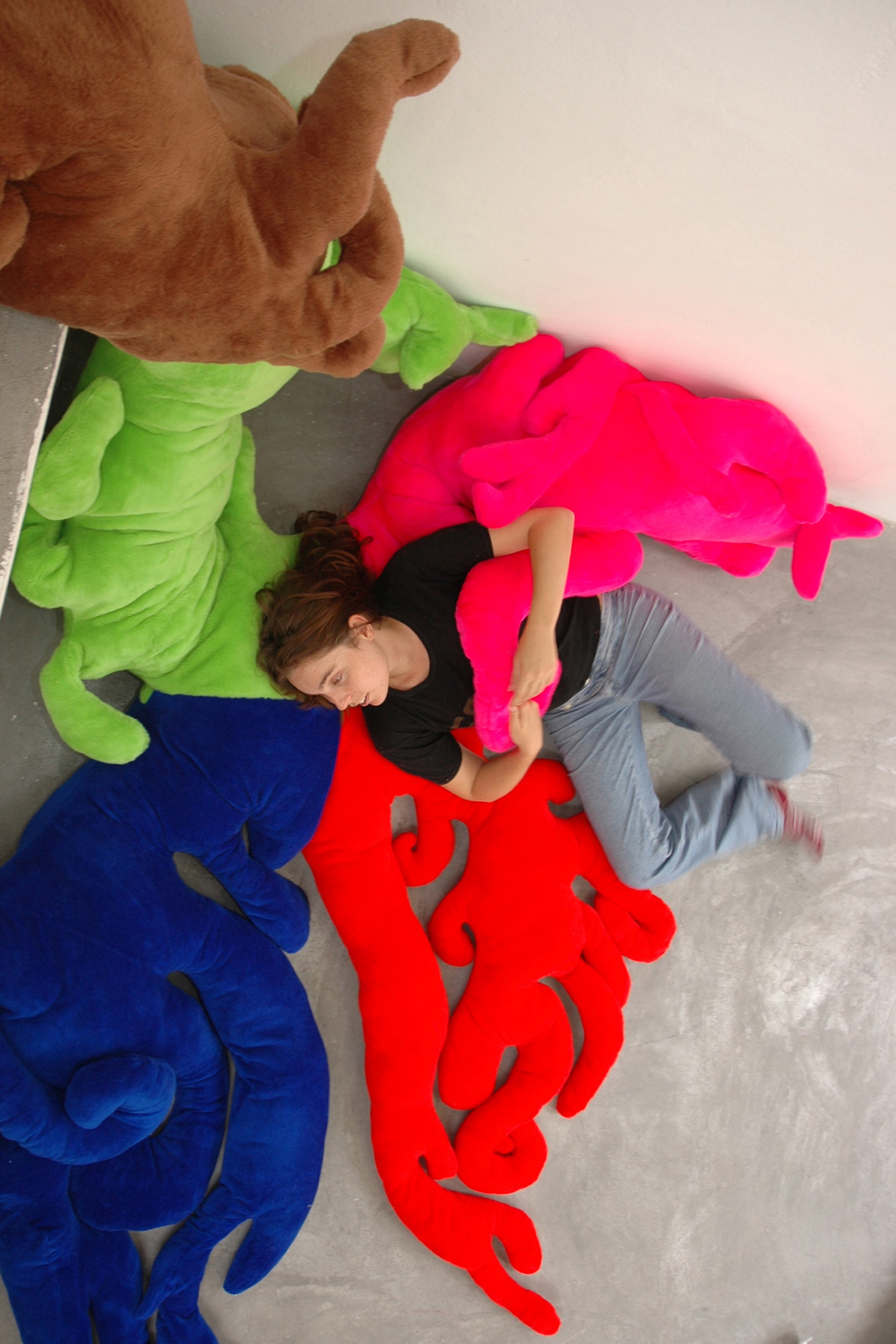
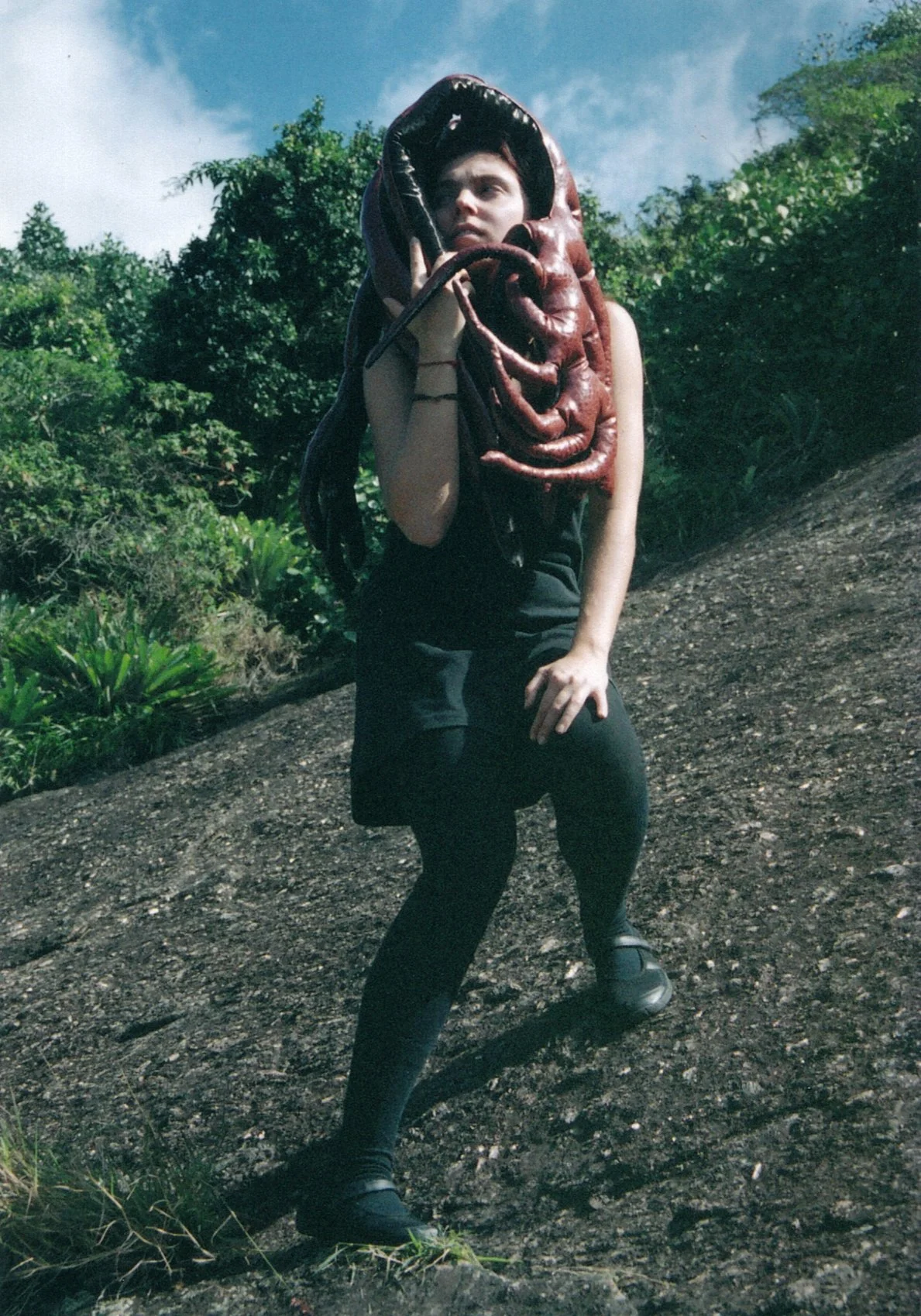
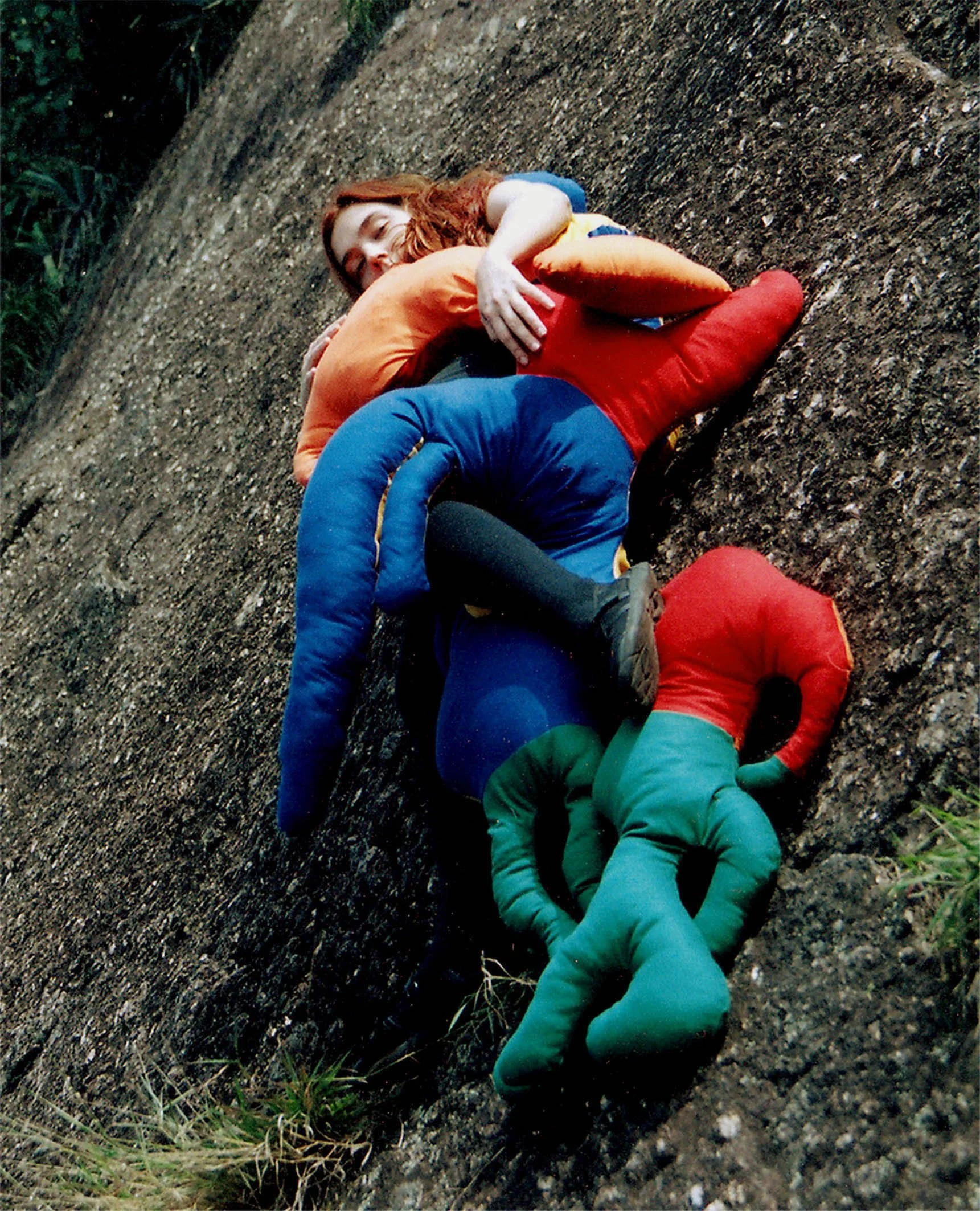
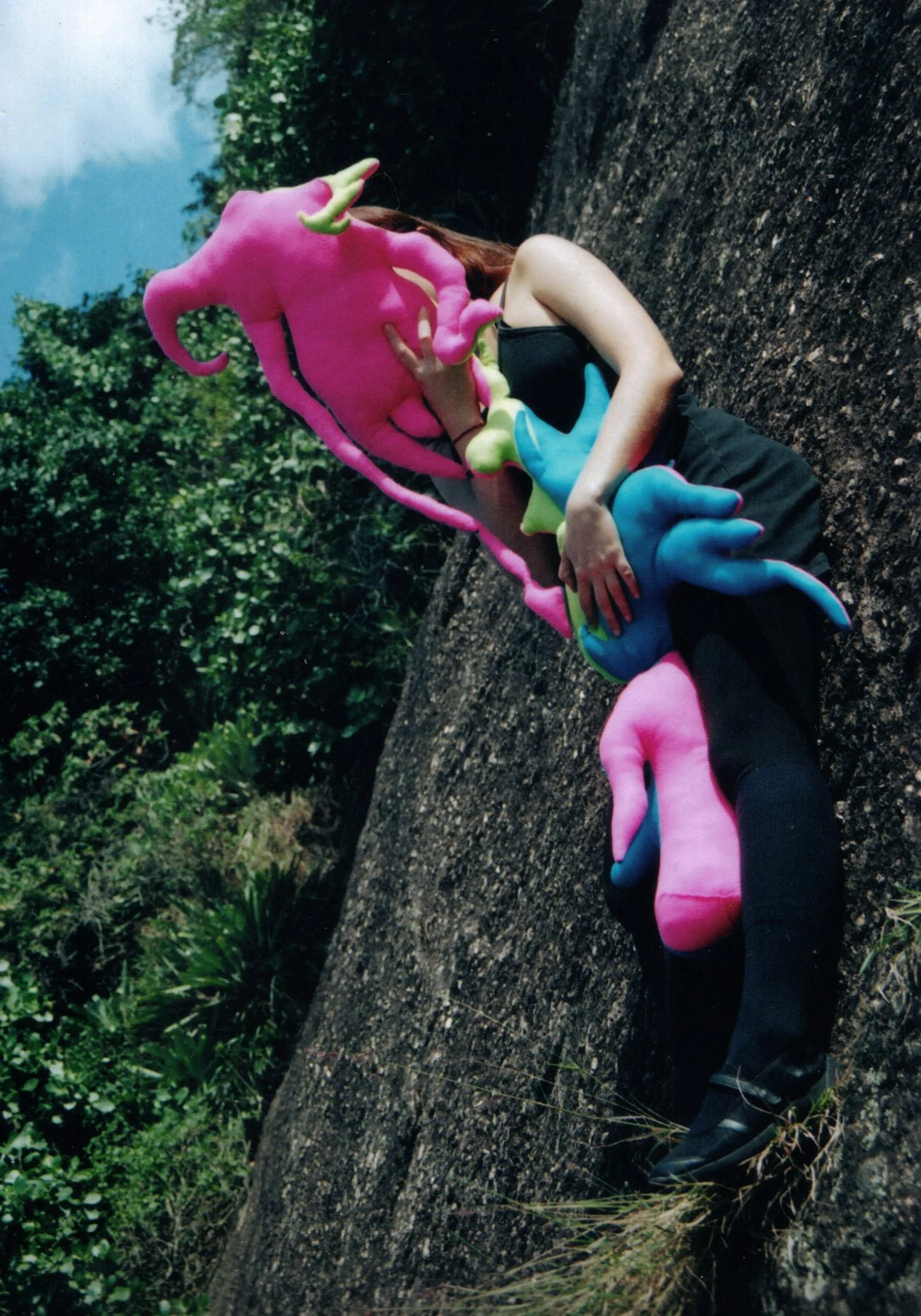
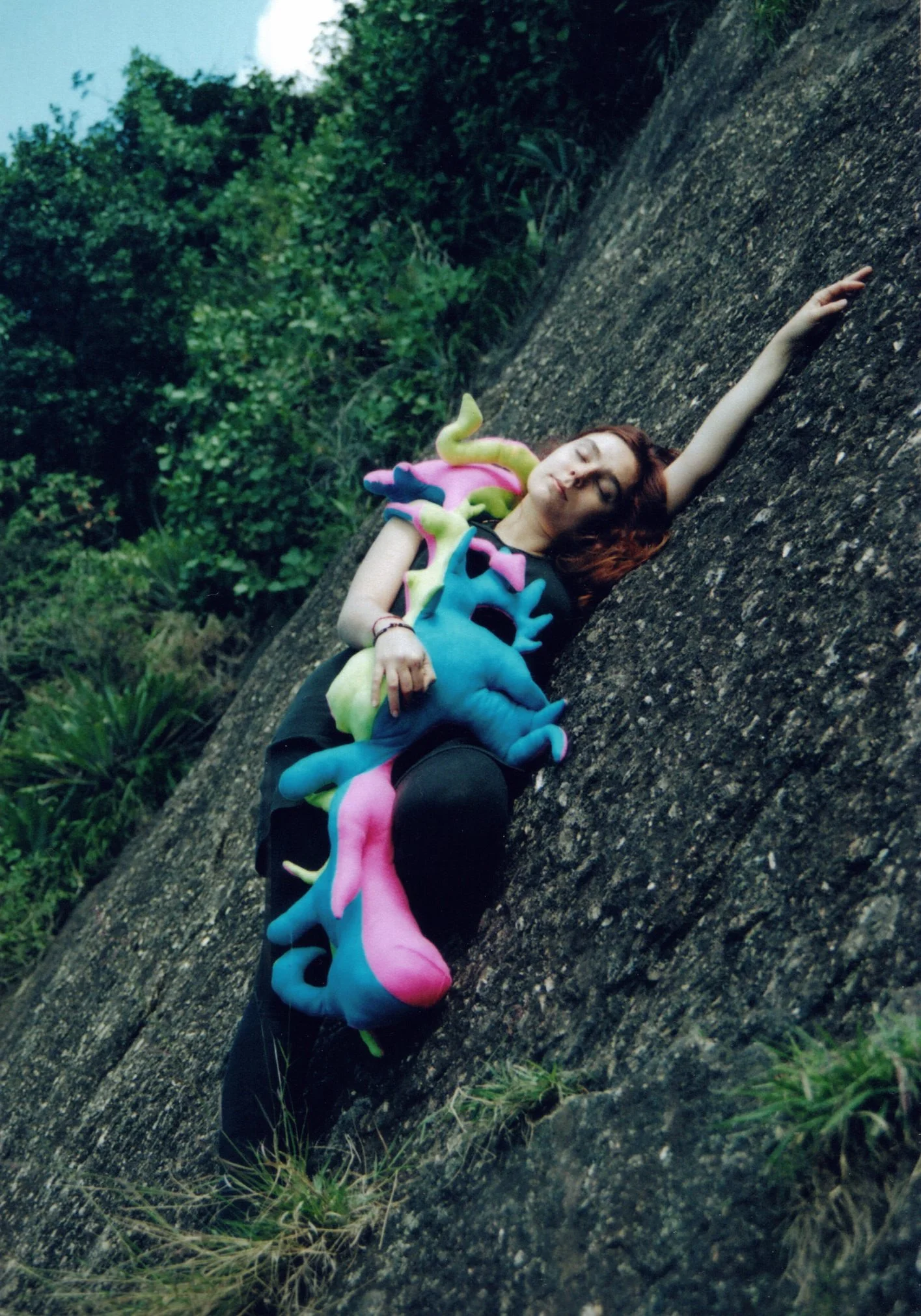
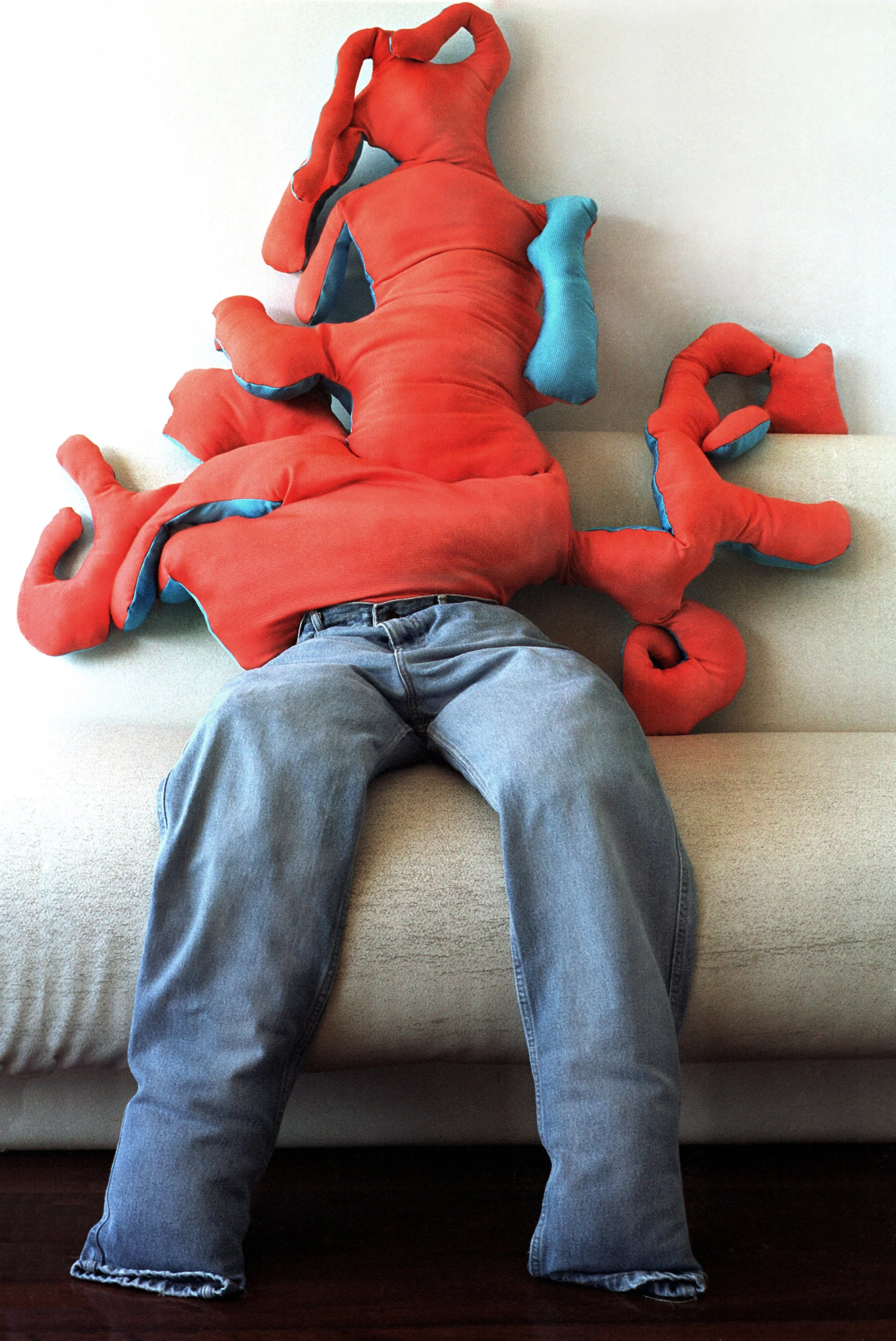
Hybrid, 2005, Museum of Modern Art, Rio, Gilberto Chateaubriand Collection, photography, 36x24in
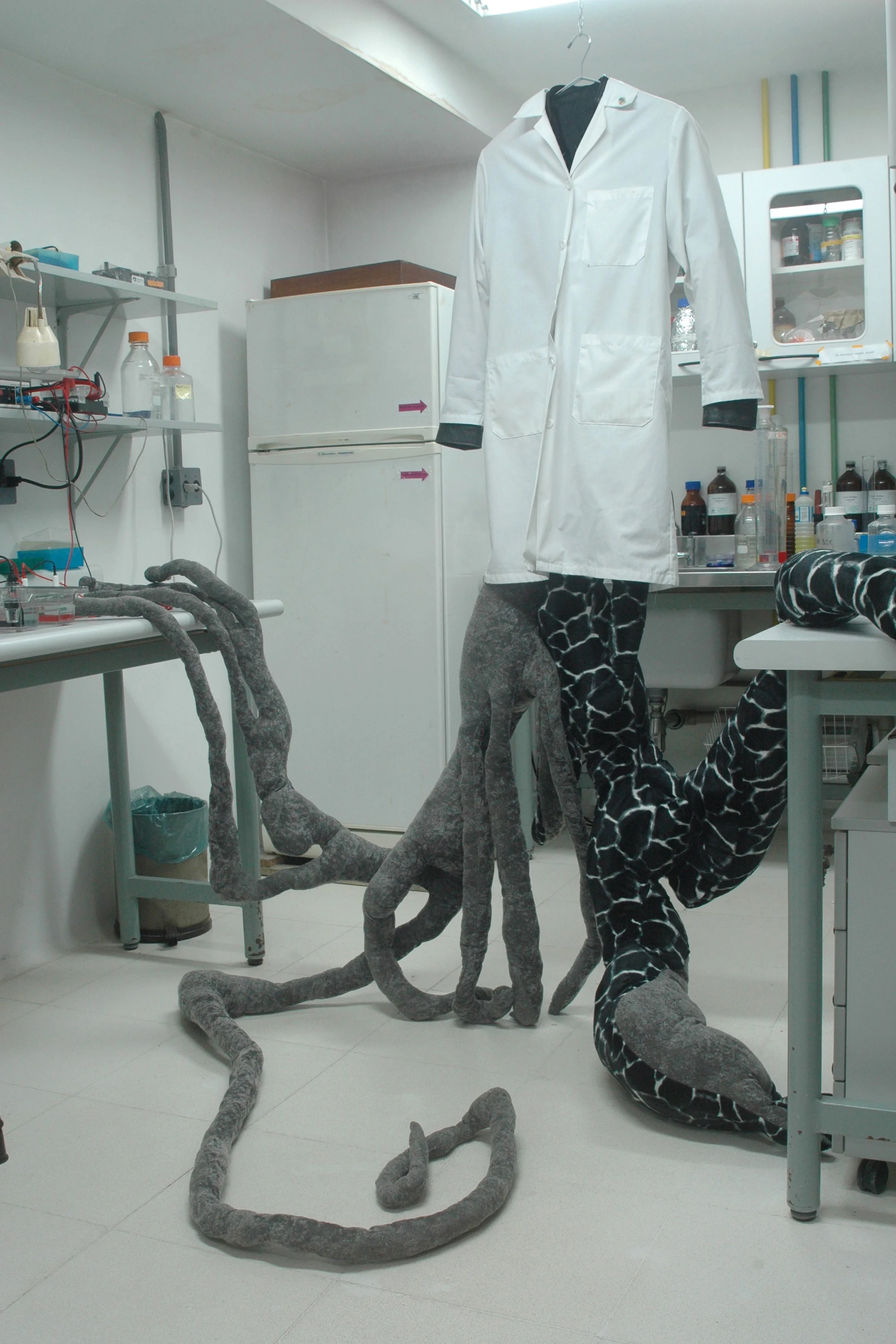
Hybrid, 2005, photography, 36x24in
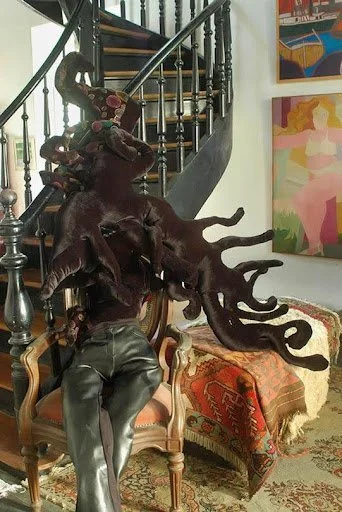
Hybrid, 2005, photography, 36x24in
Hybrid, 2005, Museum of Modern Art, Rio, Gilberto Chateaubriand Collection, photography, 36x24in
Small soft sculptures
2005-2015
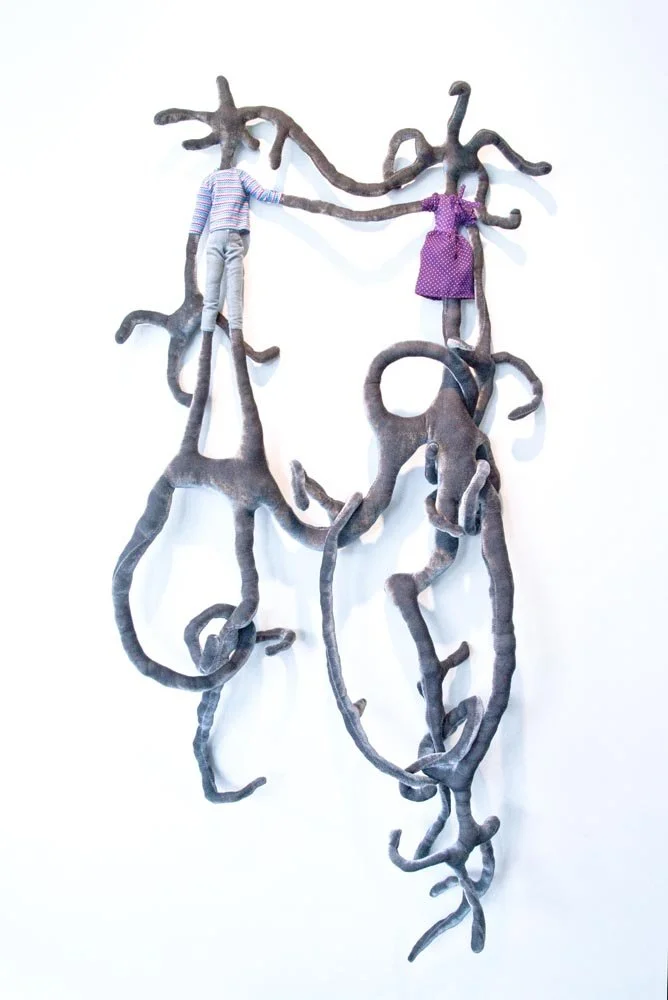
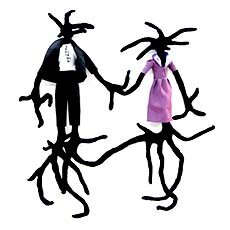
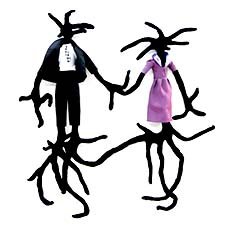
Hybrid Couple. 2013, velvet and dolls clothes. Private Collection

Hybrid Couple. 2013, velvet and dolls clothes. Private Collection
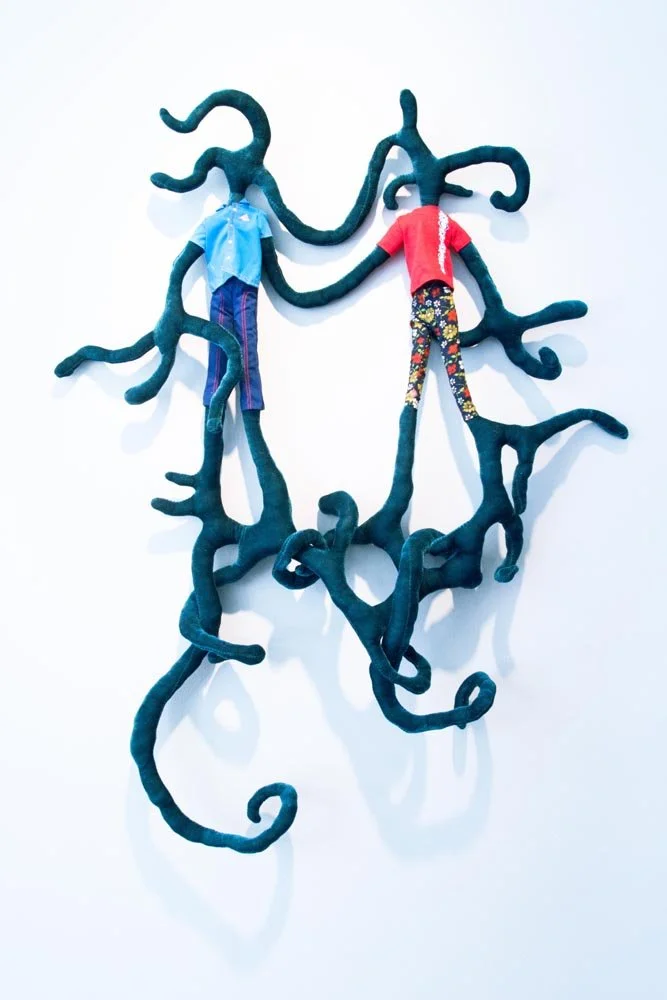
Hybrid Couple. 2013, velvet and dolls clothes. Private Collection
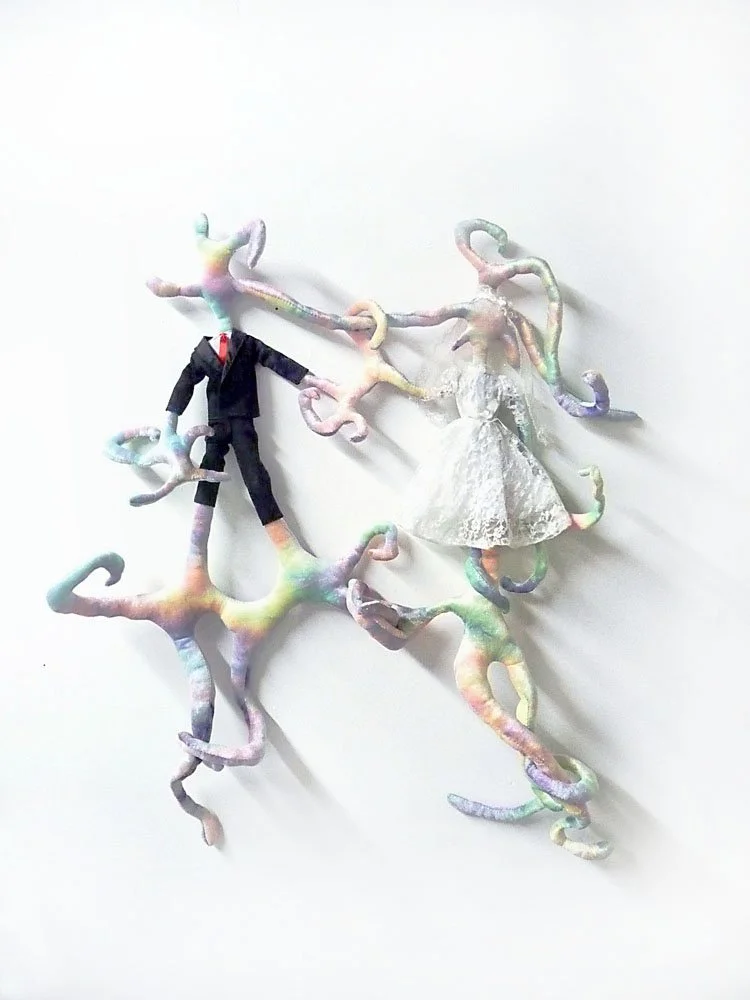
Oblivious Hybrid. 2013, velvet and dolls clothes. Private Collection
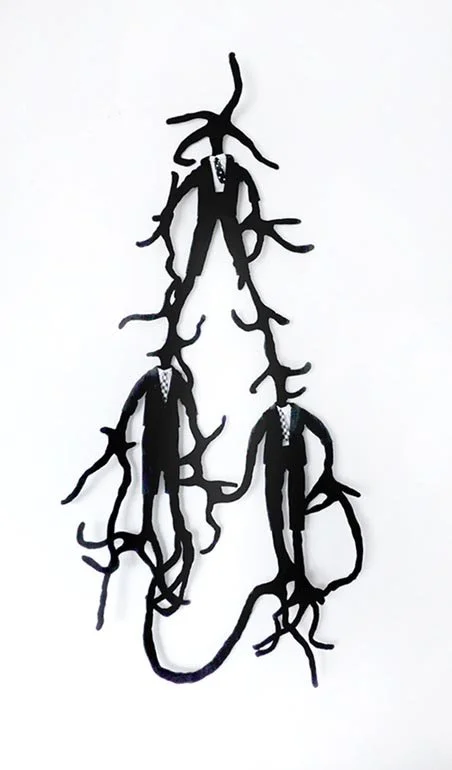
Corporate Hybrid. 2010, velvet and dolls clothes. Private Collection
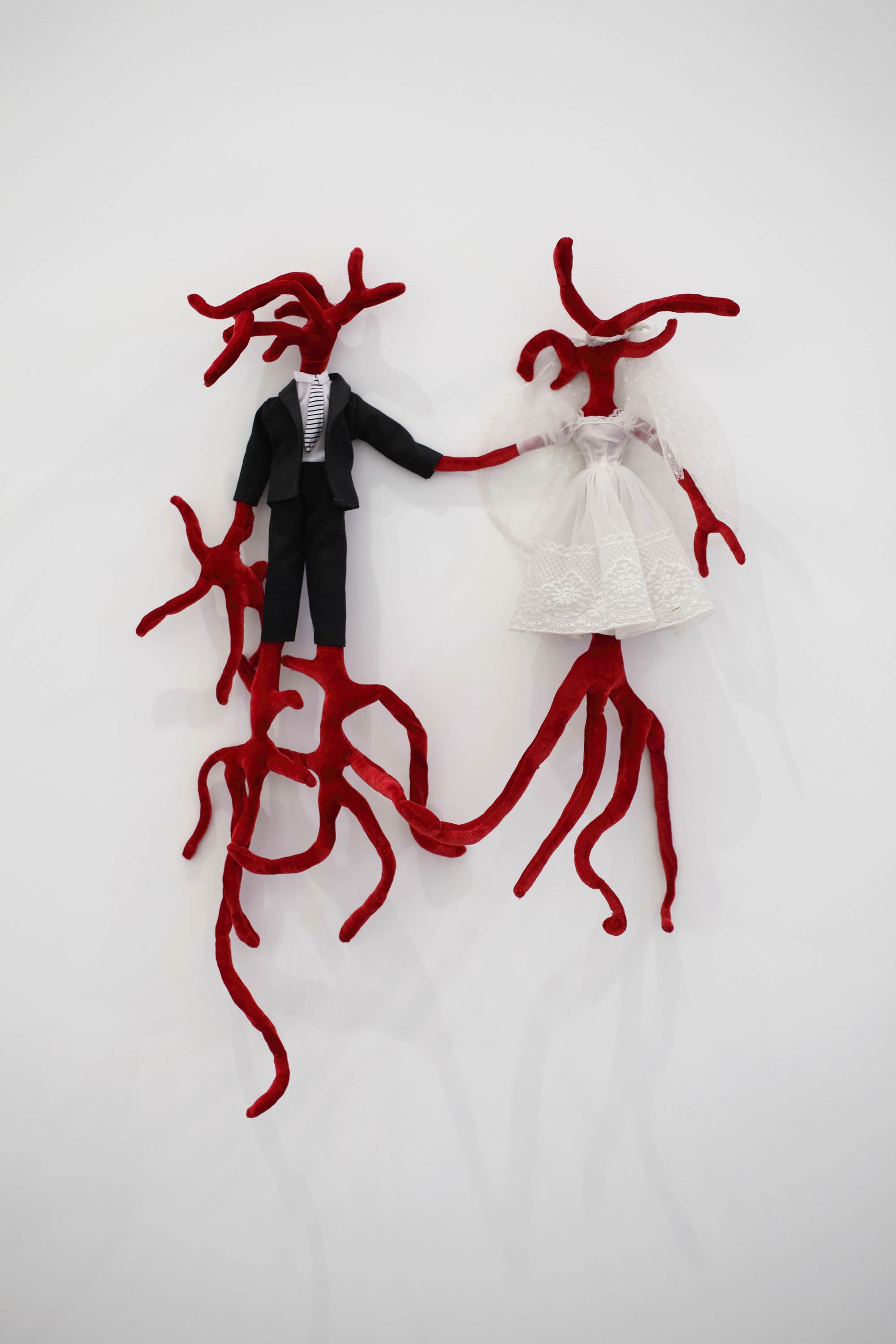
Hybrid Couple. 2010, velvet and dolls clothes. Private Collection
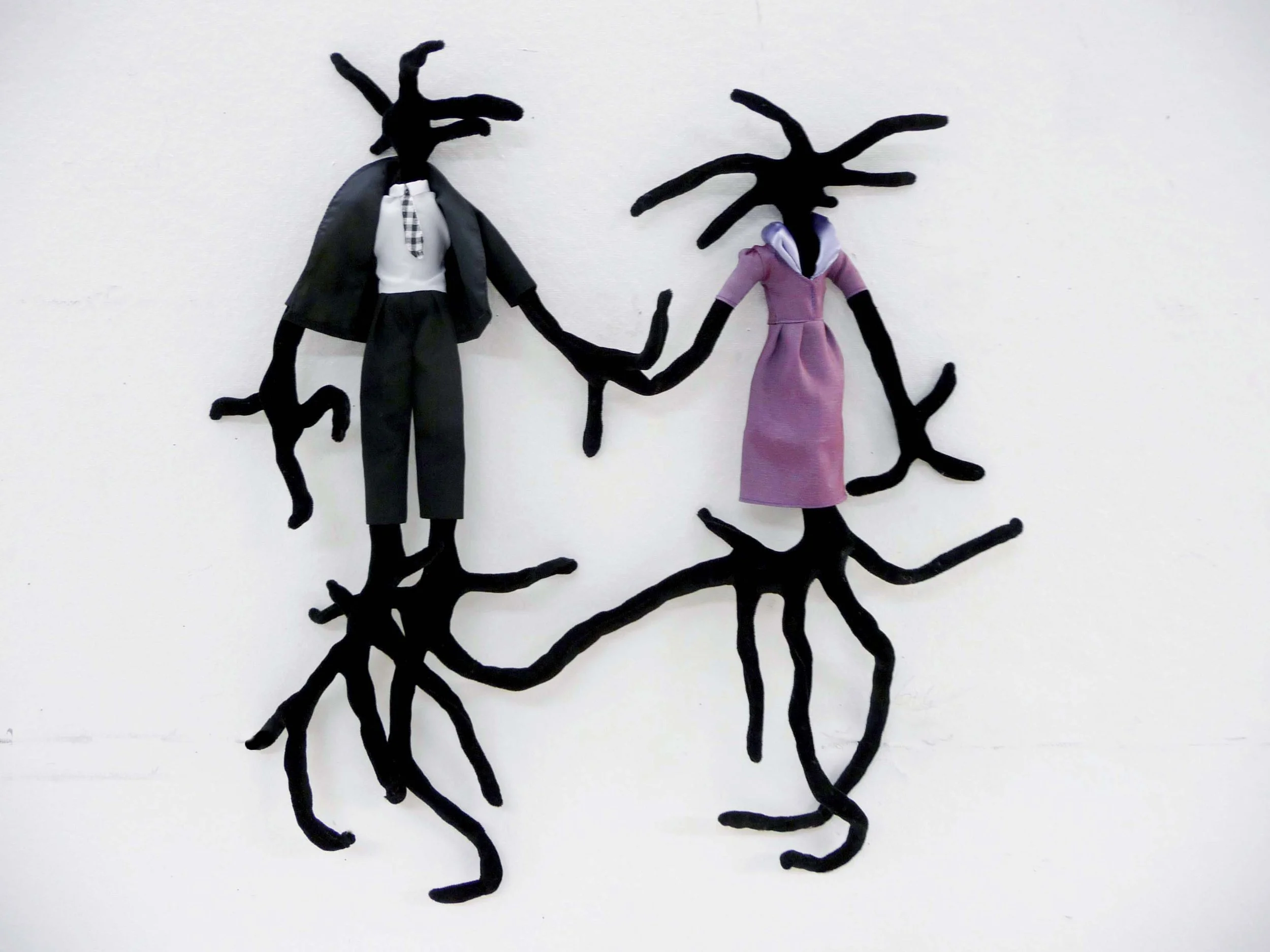
Hybrid Couple. 2013, velvet and dolls clothes. Artist's Collection
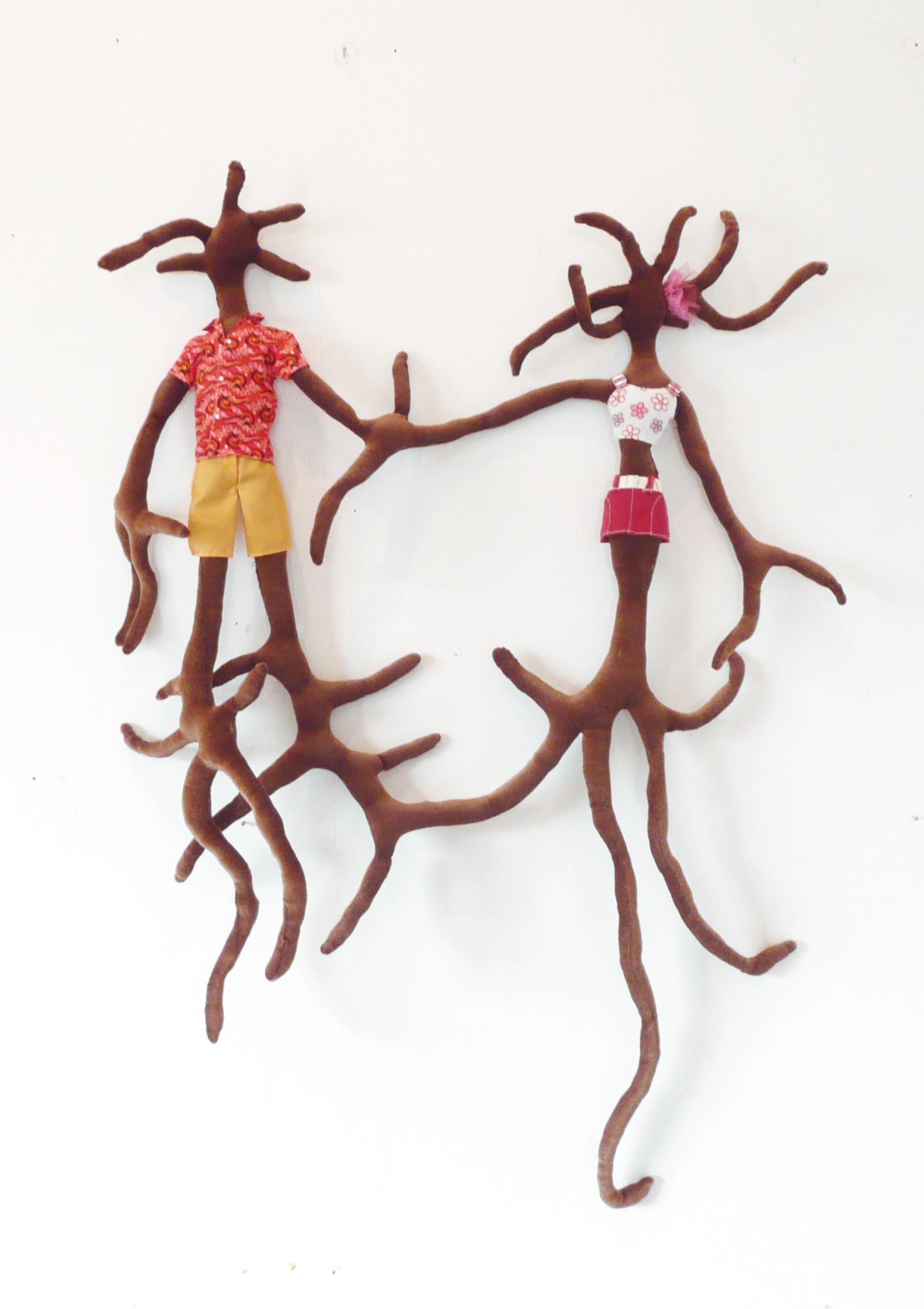
Hybrid Couple. 2013, velvet and dolls clothes. Private Collection
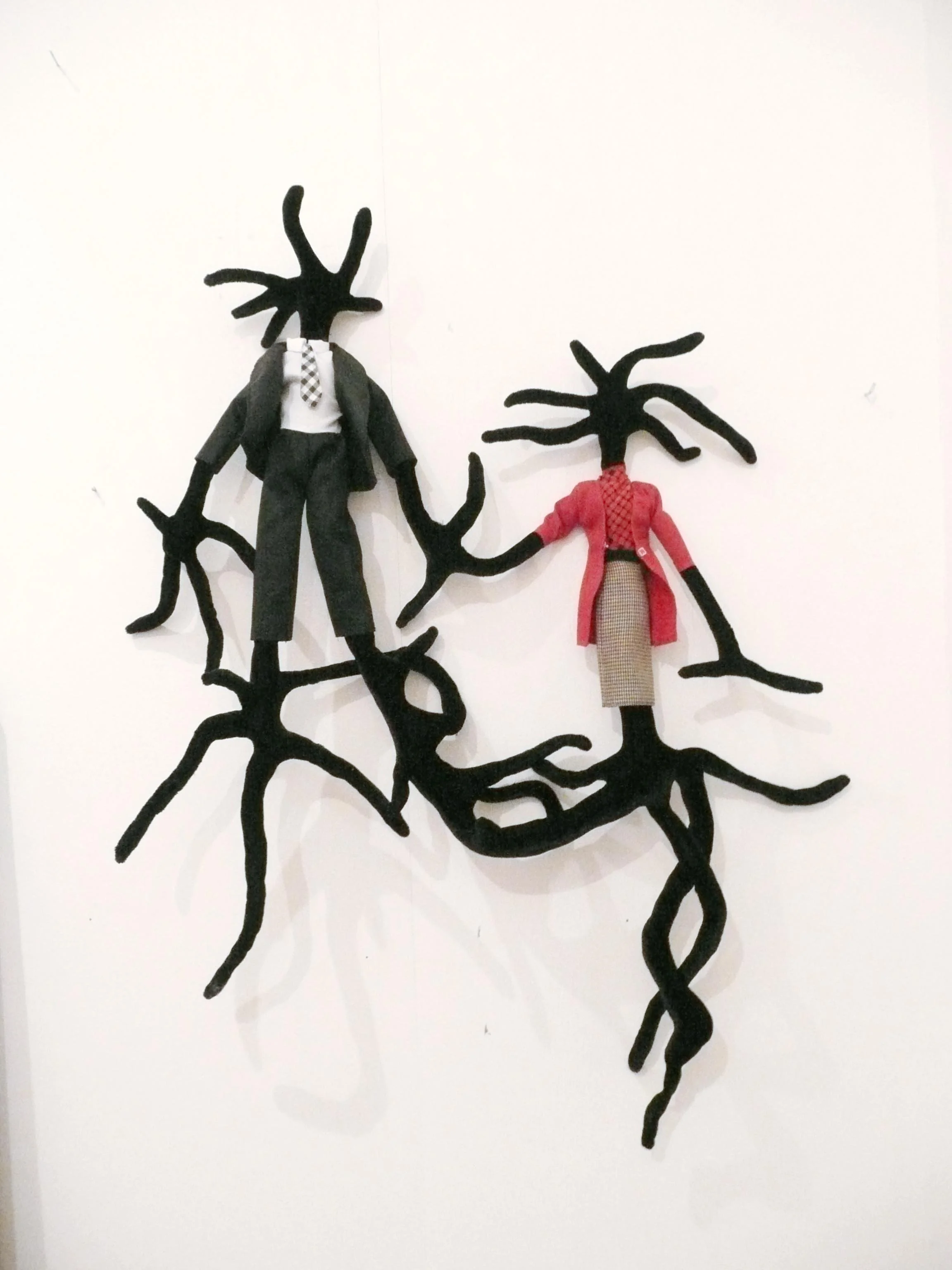
Hybrid Couple. 2013, velvet and dolls clothes. Artist's Collection
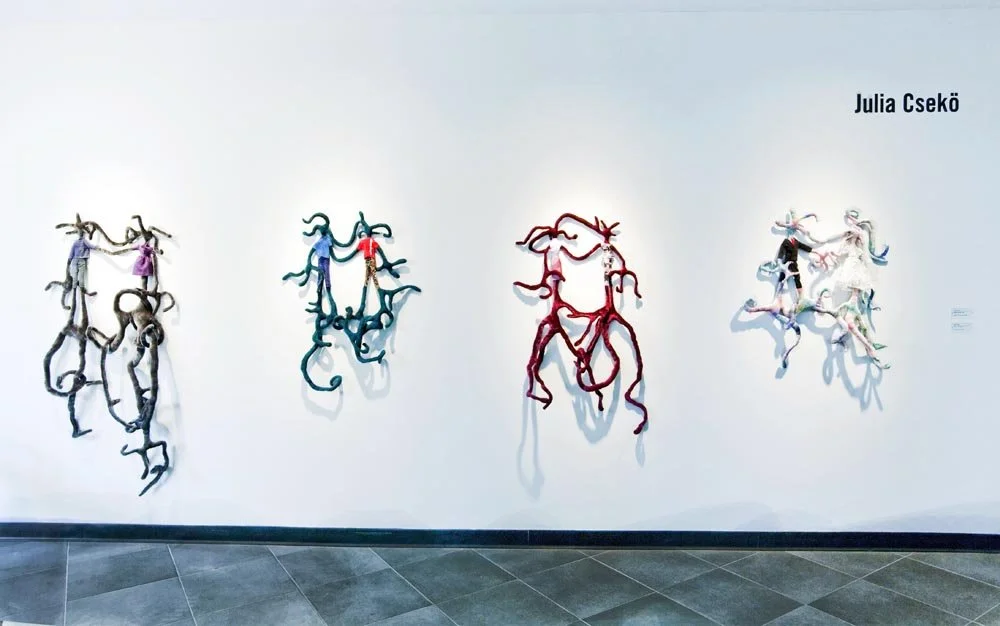
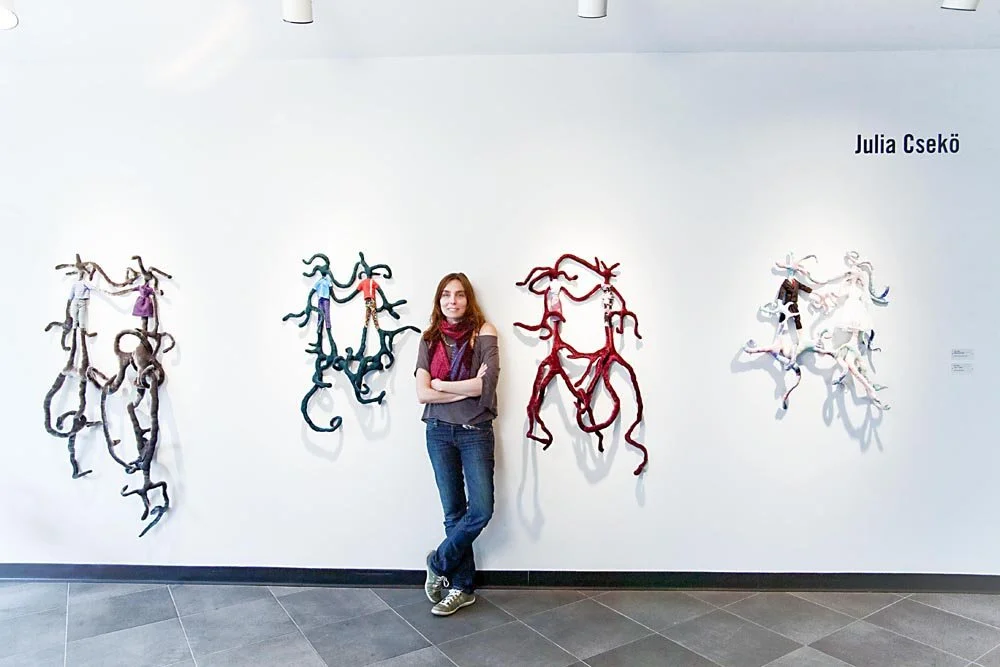
ODe to the Flag
2002-2008
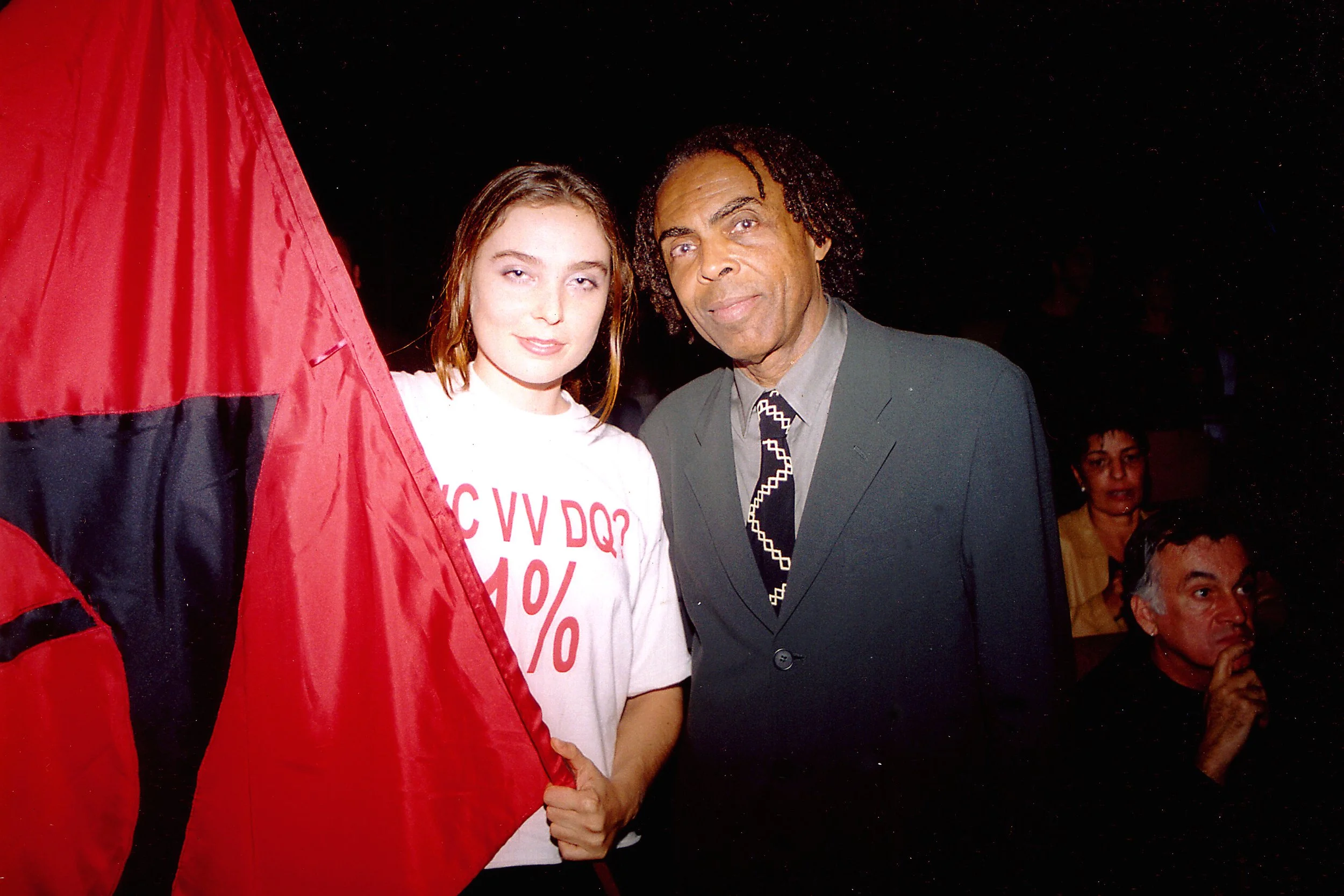
With Gilberto Gil, Brazilian Minister of Culture between 2003 and 2008. At an arts advocacy event.
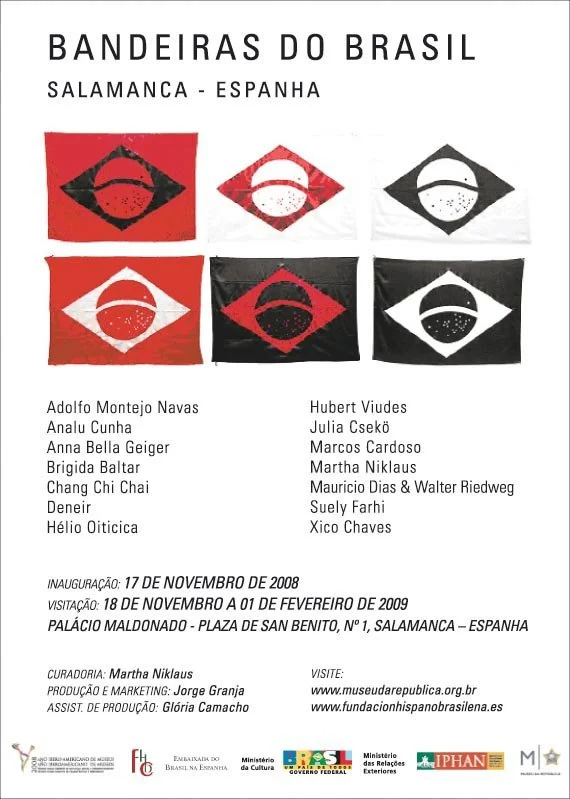
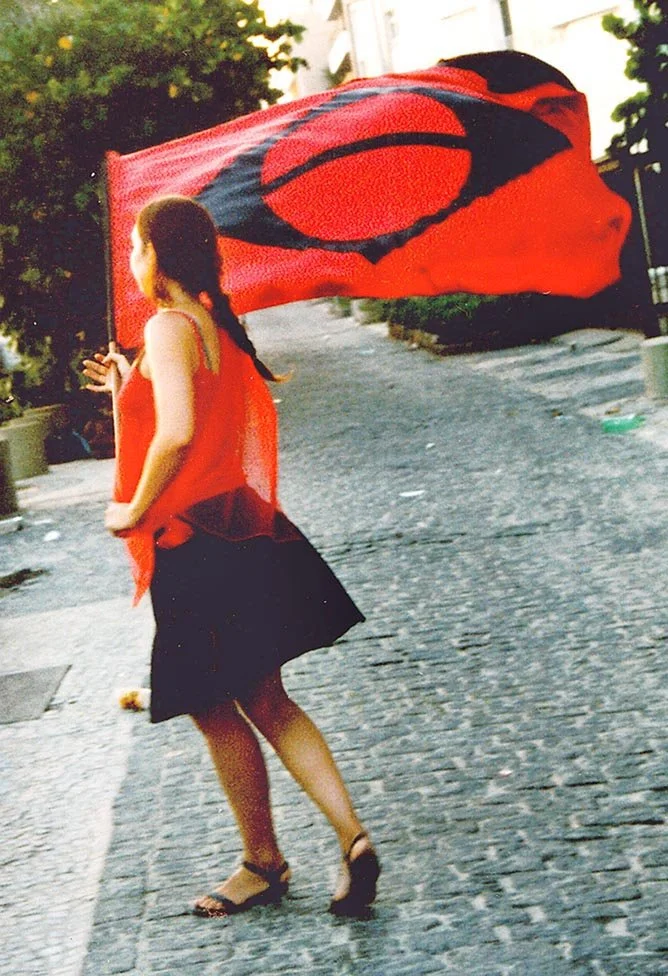
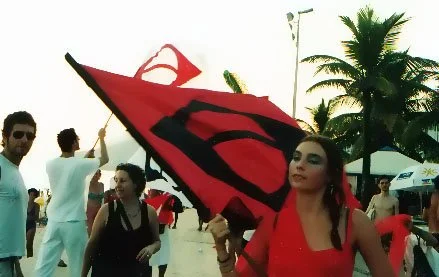
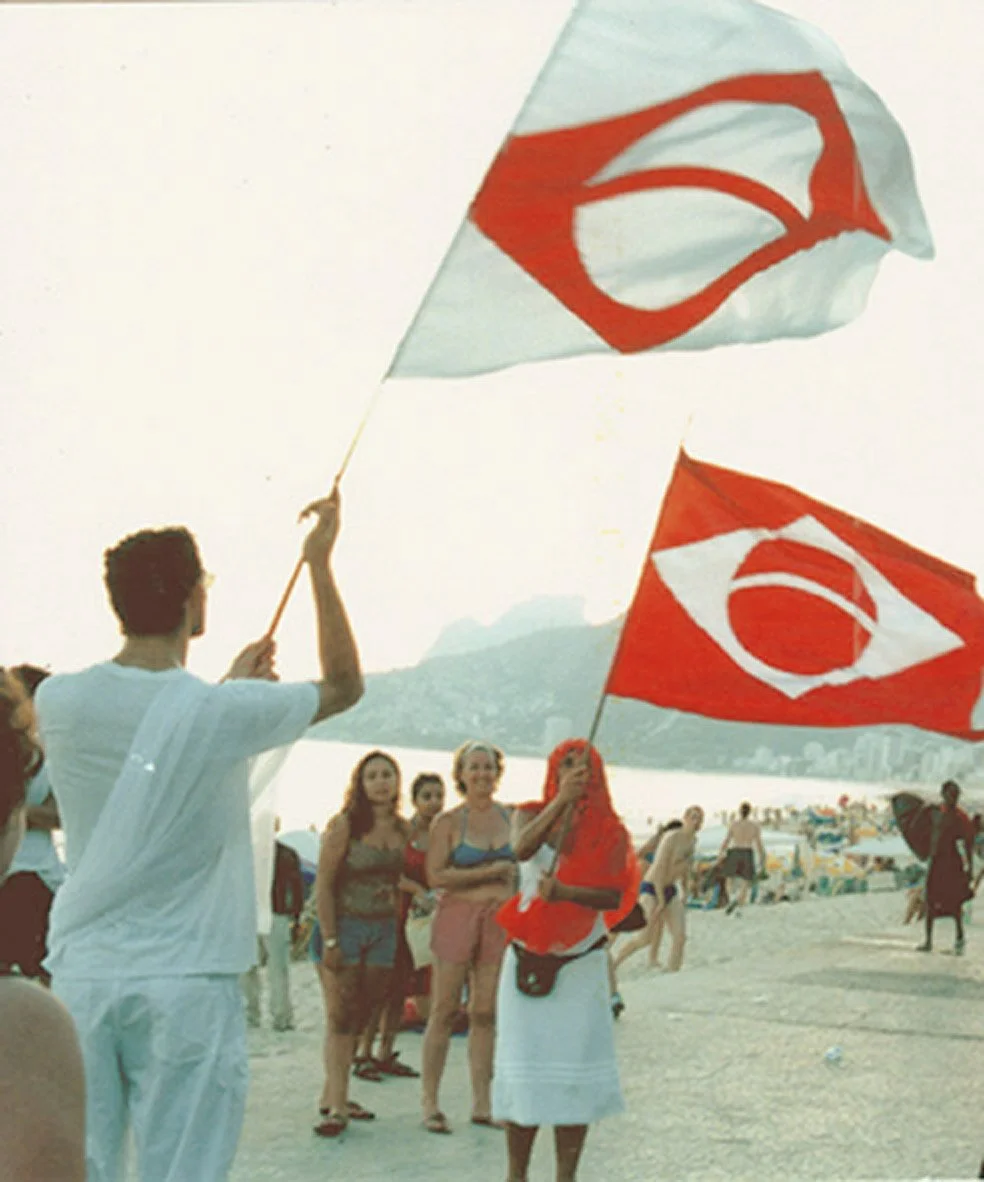
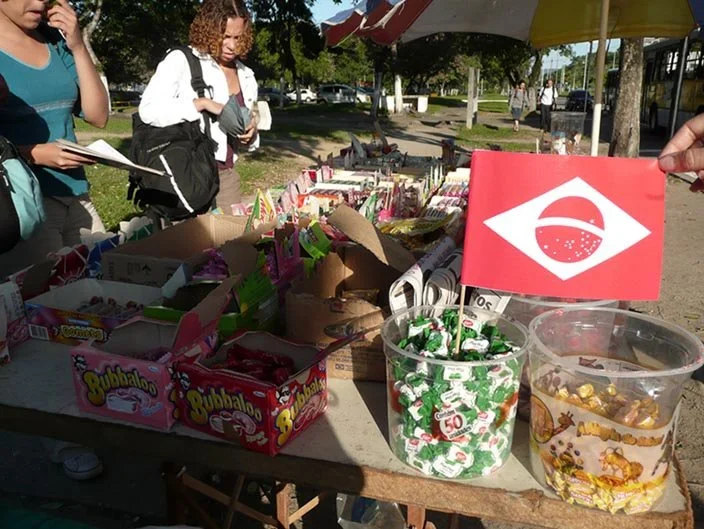
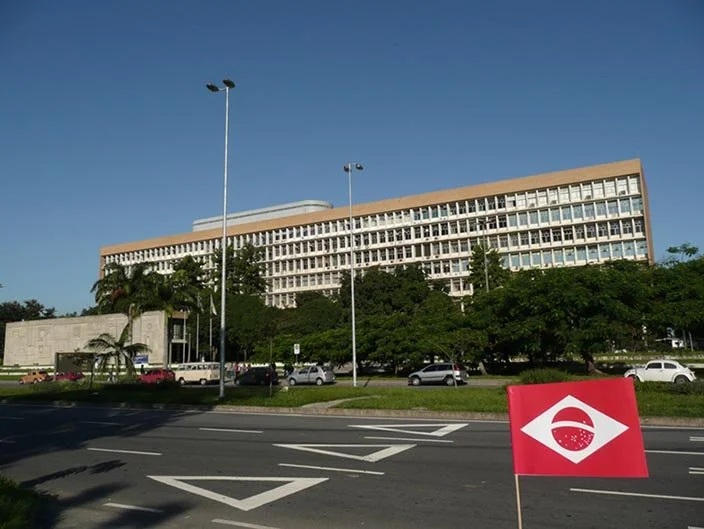
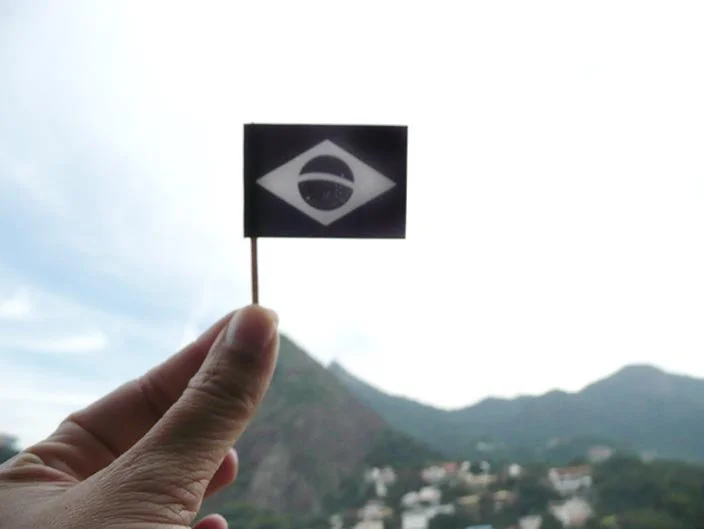
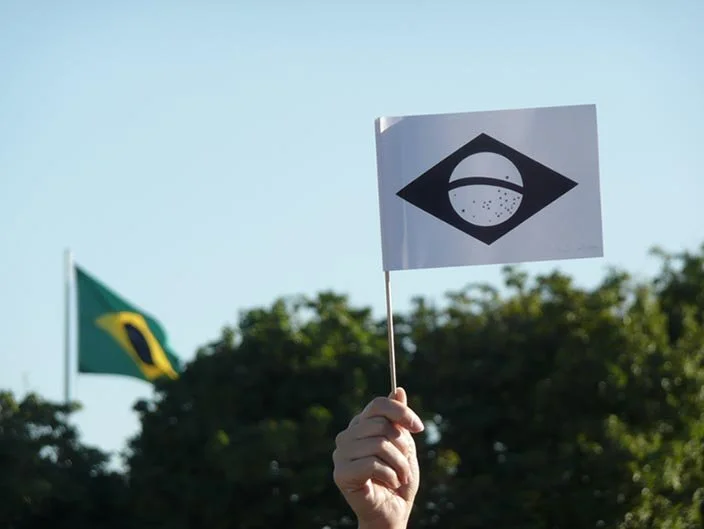
ODE to the Flag is a heartfelt and critical homage to the flag, in all its beauty and imposing presence, expressing the desire that it may truly represent the people it stands for. Created in 2002 in Brazil, on the occasion of the first left-wing president to be democratically elected after more than 30 years of military dictatorship, the work emerged from an exploration of the Brazilian flag and the significance of its colors. A simple alteration of a flag’s colors can completely change how the symbol is perceived. The red, black, and white combinations carry powerful historical and cultural weight, referencing Brazil’s past complicity with Nazi fascism, anarchist resistance in global history, and Afro-Brazilian spiritual traditions, among other meanings. Through this series, the flag is both celebrated and interrogated, questioning what it truly represents, whose voices it embodies, and how national symbols intersect with culture, politics, and identity.
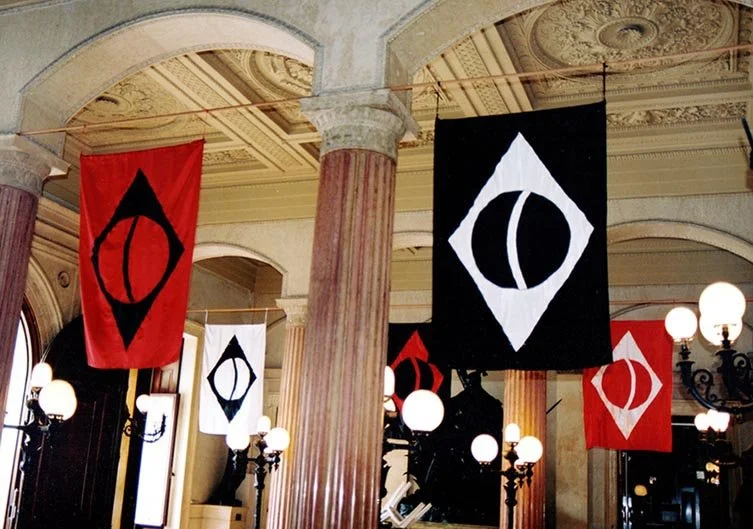
Museum of the Republic, Rio de Janeiro, Brazil. 2003 Bandeiras Brasileiras (Brazilian Flags) national event.
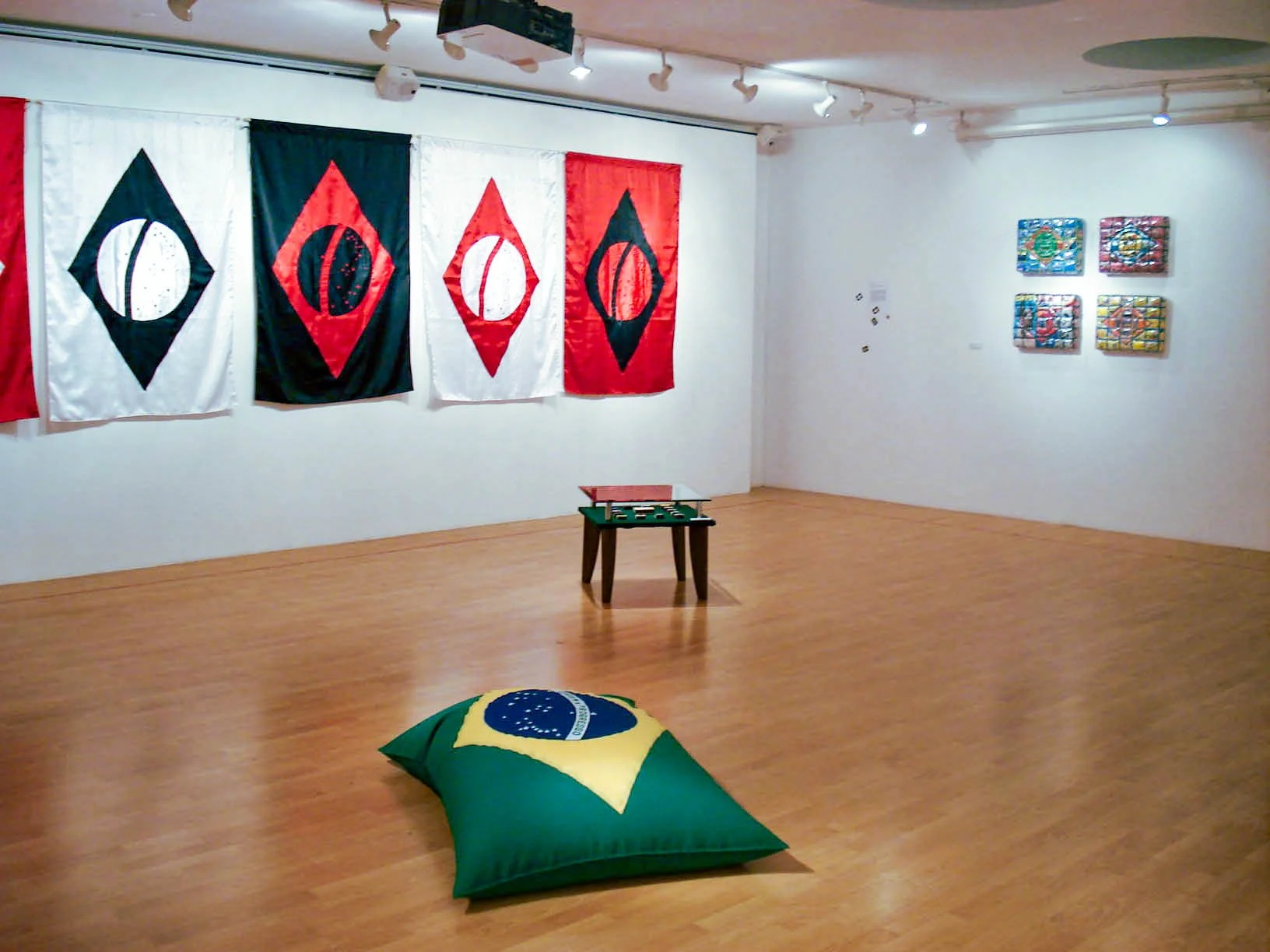
Brazilian Flags, 2007. Gallery 32, London, UK. to the Flag.